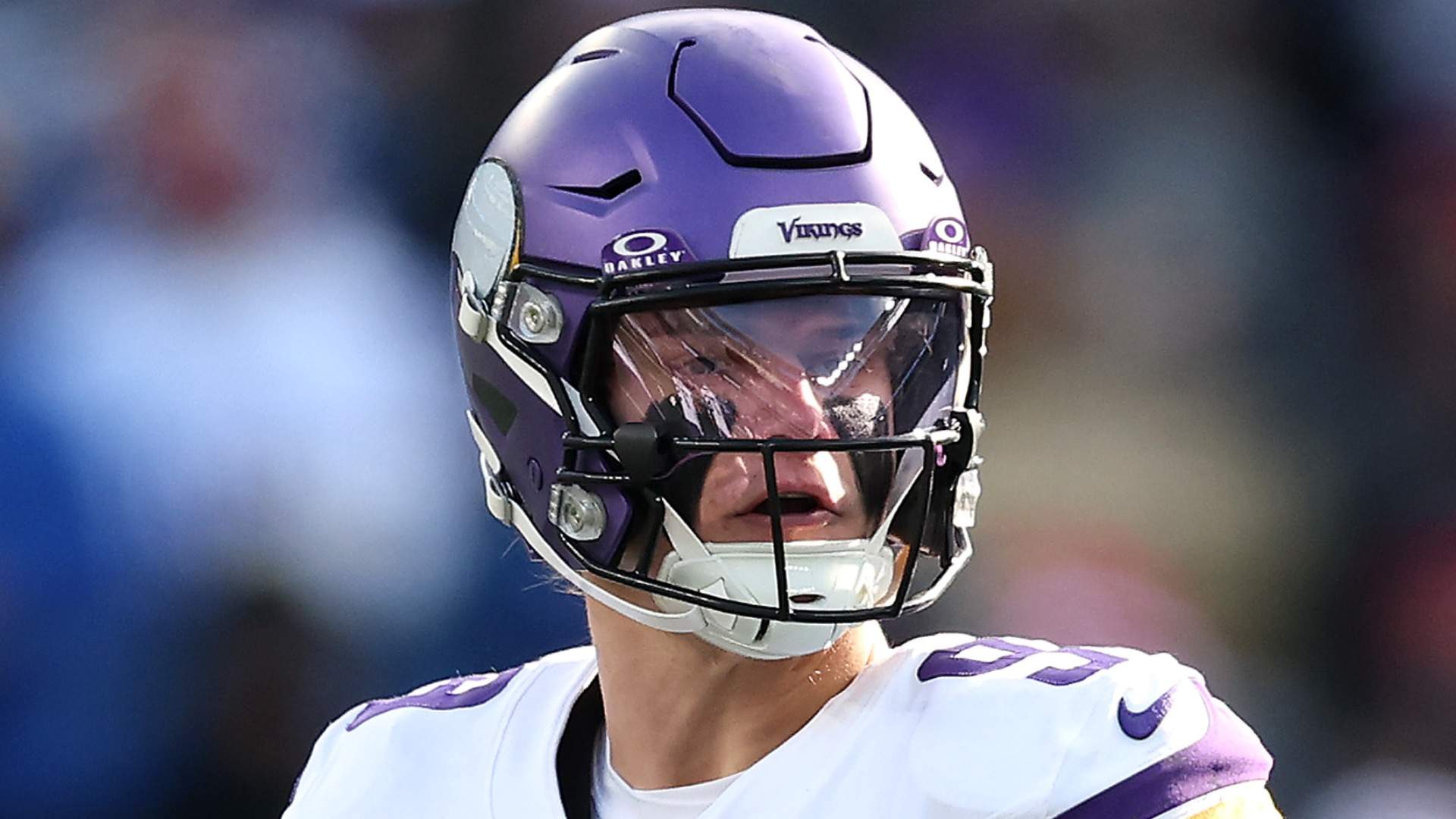
Could the ridge of potential landing spots tilt toward the NFC? With camps opening later in July, teams often pursue veteran help to bolster positions of need. Among the discussed possibilities, the San Francisco 49ers have surfaced as a frequent and plausible destination for Bosa. The idea of reuniting with his brother, Nick Bosa, would bring a dynamic that many teams covet: two explosive edge rushers who can disrupt a quarterback from the outside and collapse the pocket from the arc.
In 2025, Bosa appeared in 15 games for the Bills, recording five sacks and an NFL-leading five forced fumbles. He also applied consistent pressure, finishing with 16 quarterback hits. Such production suggests he can still be a disruptive force, especially when paired with another high-caliber defender and supported by a stout defensive front. The appeal of a pairing like Joey alongside Nick is obvious, particularly for a defense that has historically leveraged elite edge pressure to drive turnovers and rapid quarterback containment.
However, the discussion around Bosa’s market value and current demand reflects a broader trend in the league. While he remains a proven contributor, some teams may regard him as a supplemental addition rather than a cornerstone centerpiece, especially given the presence of other high-profile pass rushers and the evolving salary structures for veteran players. This context helps explain why he has yet to sign and what kind of contract and role teams might be willing to offer him.
The potential fit with a team like the 49ers centers on the versatility Bosa can provide. In systems that emphasize pressure from multiple angles and rely on a front-loaded rush to maximize sack opportunities, Bosa’s experience and ability to generate quarterback disruption can complement a defense that already features dynamic playmakers. If he joins such a team, his role would likely be tailored to complement existing talent, providing an additional avenue for pressure while allowing others to operate in complementary rush lanes.
On the other hand, some NFL insiders have speculated that Bosa could be nearing the end of his playing career if a suitable opportunity doesn’t arise. Those discussions note that veteran players sometimes delay signing until late summer or even into the season, evaluating team needs and the fit of a potential reunion or new system. There is precedent for players re-entering the league after mid-camp signings when a contender identifies a late-season need or when a familiar program offers the right blend of opportunity and role.
If Bosa does decide to suit up again, several factors will influence the destination he chooses. Team culture, defensive scheme compatibility, the expected role, and the potential for a playoff run will all play into the decision. The 49ers remain a prominent hypothetical fit due to their edge-rush emphasis and the appeal of pairing two Bosa brothers to maximize pressure from multiple angles. Other teams seeking pass-rush help late in the cycle may also explore Bosa’s availability, especially if they view him as a catalyst for a late-season surge.
In summary, Joey Bosa’s next move remains uncertain as the league approaches training camps. His recent production shows he can still impact games, particularly as a pressure-creating force on obvious passing downs. Whether he returns to play another season or steps back from the game remains to be seen, but the possibility of a late signing with a contender—potentially in the NFC—continues to intrigue teams and fans alike. As the season nears, observers will watch closely which club, if any, steps forward to add a veteran edge presence to its roster.
Note: This rewritten piece consolidates the core facts about Joey Bosa’s recent performance, the ongoing free-agent market, and plausible landing considerations without referencing prior publications or source-specific language.