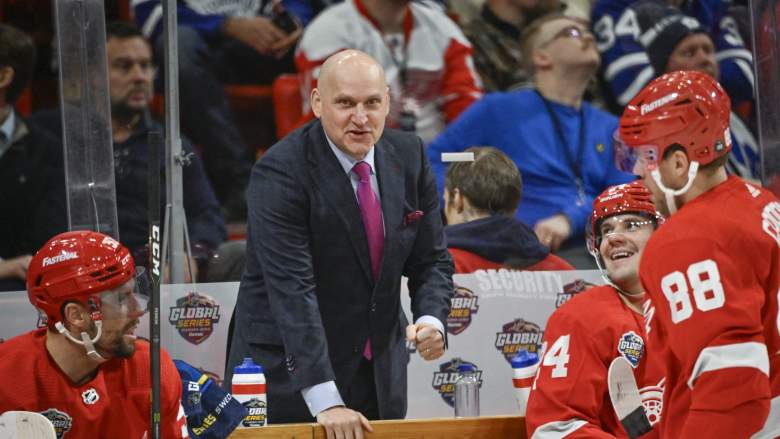
In addition to management changes, the Canucks are enlisting two familiar voices from the team’s storied past. Daniel Sedin and Henrik Sedin have returned in executive roles, bringing their insight and experience to help guide decisions about development, culture, and on-ice strategy. Their presence underscores Vancouver’s commitment to building from within and honoring the franchise’s legacy while pursuing sustained success.
On the coaching front, the Canucks have named Manny Malhotra as head coach. Malhotra earned the opportunity after a successful stint with the Abbotsford Canucks, where he led the AHL affiliate to its first Calder Cup title. His track record of developing players and implementing a winning culture contributed to the decision to move in a new direction after parting ways with Adam Foote. The coaching change aligns with a broader organizational shift aimed at revitalizing the team’s performance, competitiveness, and consistency.
Even with these major organizational moves, Vancouver’s roster is expected to undergo further shifts during the offseason. A central topic of speculation is the long-term future of star forward Elias Pettersson. His contract situation and the potential for a reset in core leadership could influence the Canucks’ strategy for the coming seasons. At the same time, winger Jake DeBrusk has been the subject of trade chatter, with links to several teams across the league, including possible interests from teams within the Western Conference.
There has been discussion about whether Vancouver could move DeBrusk as part of a broader rebuilding or retooling plan. Multiple outlets have reported that several teams have shown interest, including Western Conference rivals, which could prompt the Canucks to weigh multiple trade scenarios. While there is speculation about DeBrusk’s fit and value, the organization remains focused on its broader asset list and how best to optimize talent and cap flexibility.
DeBrusk is entering the third year of a seven-year contract worth $38.5 million, a deal that includes a full no-movement clause. This adds a layer of complexity to any potential trade, as the winger has substantial input in his destination should a move become likely. Despite the continued trade chatter, DeBrusk delivered a personal scoring highlight in his first season with Vancouver, notching a career-best 28 goals. His production helped the Canucks rebound from the prior season’s playoff expectations, although the team ultimately missed the postseason in 2025-26.
The Canucks’ move to a new GM, the return of Sedin brothers in executive roles, and the appointment of a new head coach collectively signal a fresh strategy for a franchise that is intent on regaining its footing in a competitive Western Conference. The challenge will be translating organizational changes into tangible gains on the ice—improved defense, stronger depth scoring, and resilience in high-leverage games.
Looking ahead, Vancouver will likely balance several priorities:
– Solidifying the core around players who fit the new leadership’s vision, while maintaining flexibility to address imminent roster gaps.
– Evaluating potential trades or asset moves that could accelerate a rebuild without compromising long-term stability.
– Developing young players within a clear system that emphasizes speed, puck management, and disciplined positioning.
– Ensuring the coaching staff and front office work in tandem to cultivate a winning culture, both in the regular season and in critical playoff push scenarios.
As the team plots its course for the upcoming seasons, fans can anticipate a strategic blend of veteran leadership and young talent. If the Canucks can align their on-ice performance with the recalibrated management approach and the new coaching philosophy, Vancouver has the potential to reemerge as a competitive force in the league.
In summary, Vancouver’s offseason moves—new general manager, return of iconic alumni in executive roles, and a fresh coaching direction—mark a concerted effort to reset the franchise’s trajectory. While trade rumors and contract talks will continue to swirl, the overarching objective remains clear: build a cohesive, resilient team capable of reaching the playoffs and contending for longer runs in the future.