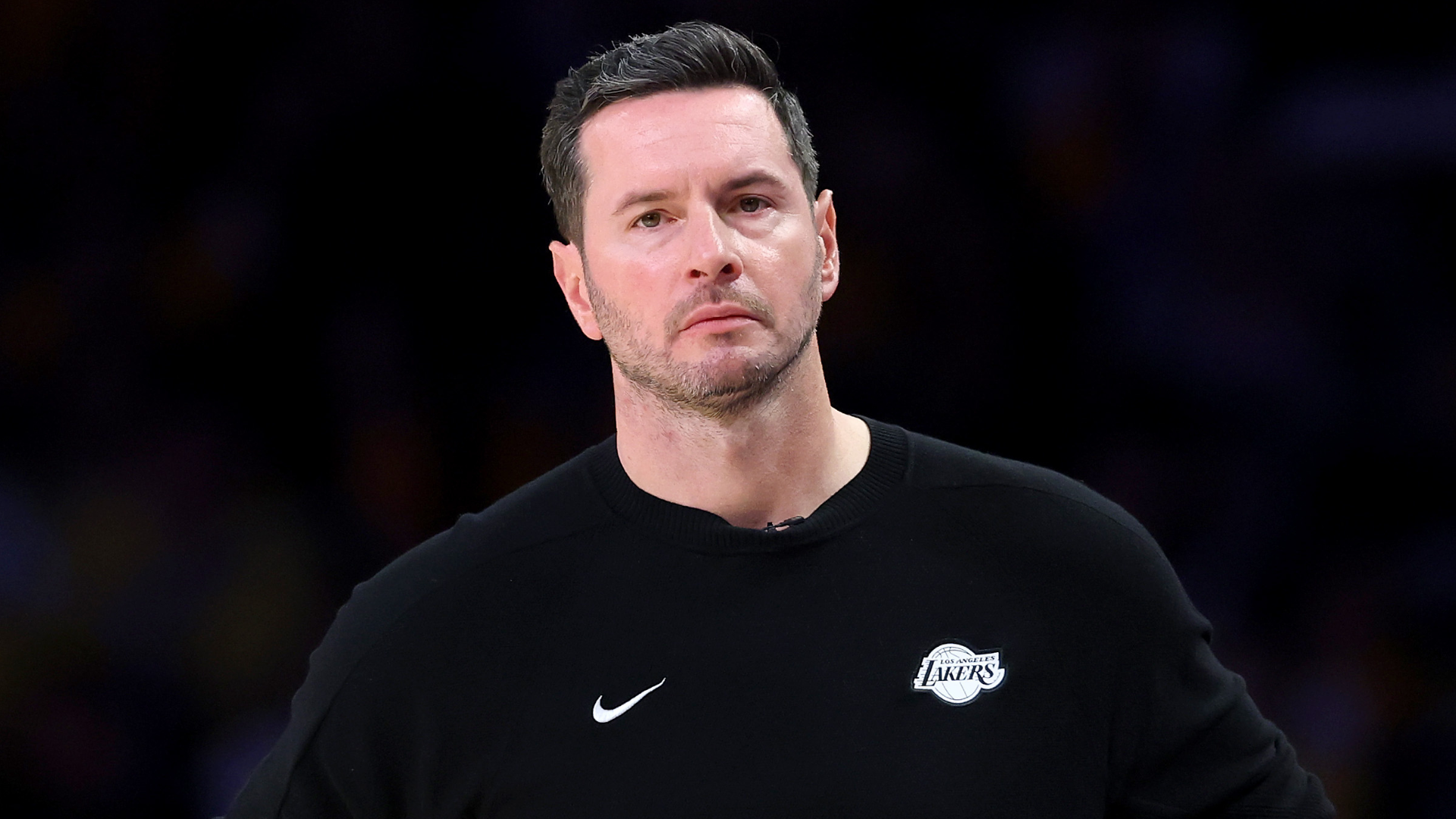
Boston’s front office has been navigating a complex offseason, balancing the team’s current roster needs with the daunting realities of the NBA’s luxury-tax framework. In recent public remarks, Stevens outlined how the Celtics could maneuver their spending power, including the use of non-taxpayer mid-level exceptions and the potential impact of salary-cap thresholds on their ability to add players. The language Stevens used, and the momentary pause before discussing the possibility of signing a star, sparked speculation about the team’s long-term plan and which players might fit Boston’s timeline.
Stevens laid out the mechanics of Boston’s remaining cap room. He explained that if the Celtics were able to sign a player using the mid-level exception, the team would be hard-capped at the first apron under the league’s tax rules. In practical terms, that means there would be a capped ceiling on total payroll that would limit how much the team could spend to upgrade the current roster. He quantified the remaining flexibility as “at most 8 or 10 million more to spend on this current roster,” depending on how the offseason unfolds and what other roster moves are completed.
The notable moment during Stevens’ comments came as he paused right before mentioning the possibility of signing a player. Observers noted the hesitation and interpreted the pause as a signal that the Celtics were considering ways to bring in a high-impact addition, potentially even a marquee name, if cap space and the new contracts align. The idea floated by some analysts was that the team could be positioning itself to pursue a top-tier free agent, pairing a veteran presence with the current core led by Jayson Tatum.
This interpretation aligns with Boston’s broader strategy of using the mid-level exception to reshape the roster around its established stars. One anticipated move, reportedly discussed within media circles, involves leveraging the full mid-level exception to secure a player at center, with the expectation that such a signing would keep the team competitive while maintaining financial flexibility to address other needs. Reports have suggested that a three-year contract, valued in the neighborhood of tens of millions of dollars, could be on the table if the team commits fully to the mid-level route. However, the exact terms and the official announcement hinge on the agreement’s completion and league approval, meaning the team could not publicly confirm a signing before the deal becomes official.
Beyond the salary mechanics, the Celtics’ offseason chatter has included broader discussions about which players could realistically fit into Boston’s payroll without triggering excessive tax penalties. The team’s management has consistently emphasized the importance of strategic signings that complement the existing core, rather than overextending financially in a single move. The potential presence of a star-level player would need to align with market realities and the team’s long-term plans, ensuring that core pieces remain in place and that depth and defense remain priorities.
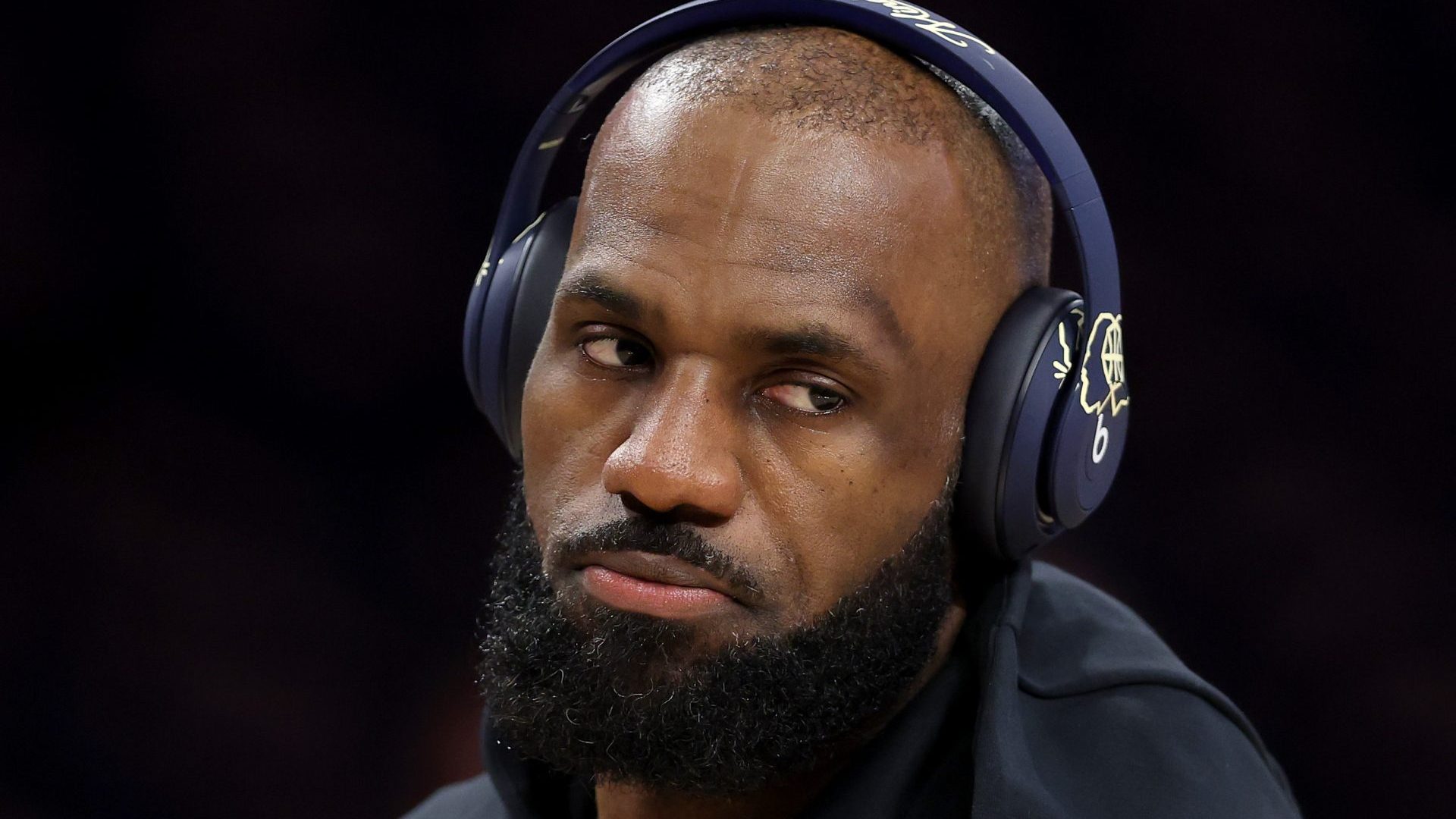
Meanwhile, broader speculation about LeBron James’ next destination remains a topic of interest for basketball observers. James’ camp has historically weighed multiple options across a wide field of contenders, assessing how each potential situation could maximize championship opportunities while accommodating his compensation and role preferences. Analysts have noted that any concrete decision would depend on fit, playing time, and the ability of a team to manage payroll within league rules, rather than a rapid, impulsive move.
For teams like Boston, the key question is whether there is a path to acquiring a transformational player without sacrificing the balance of the roster. The Celtics have been careful to outline a plan that would allow them to remain competitive in a crowded Eastern Conference while staying mindful of the luxury tax and apron thresholds that could constrain future flexibility. This approach includes exploring all viable options within the mid-level framework, evaluating potential signings that would provide immediate impact while preserving the ability to make additional moves if required.
In the days ahead, any official developments will hinge on the completion of contract negotiations and league approvals. Until then, the Celtics’ strategy appears to revolve around two core ideas: maximize the value of the mid-level exception and ensure that any new signing complements the established core of Tatum and others, maintaining both competitiveness and financial sustainability.
Fans and analysts will be watching closely to see whether Boston can translate cap space and a strategic mid-level signing into meaningful on-court improvements. The challenge for the front office is to identify players who provide a clear upgrade without compromising the team’s long-term trajectory. As the league’s free agent market evolves, the Celtics’ plan will likely adapt, but the emphasis remains on prudent, calculated moves that strengthen the roster while respecting the framework of salary cap rules.