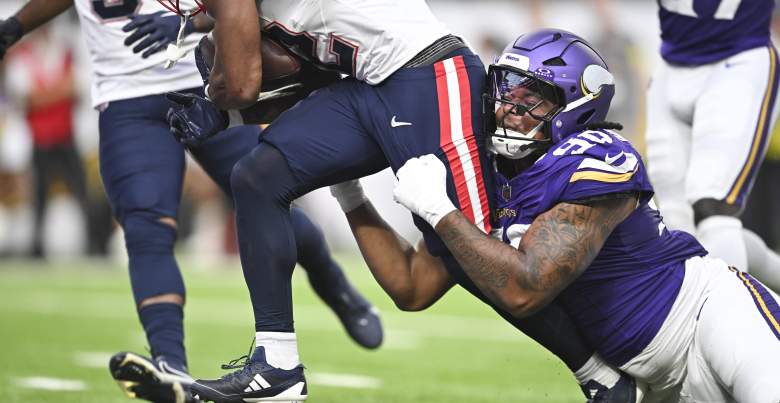
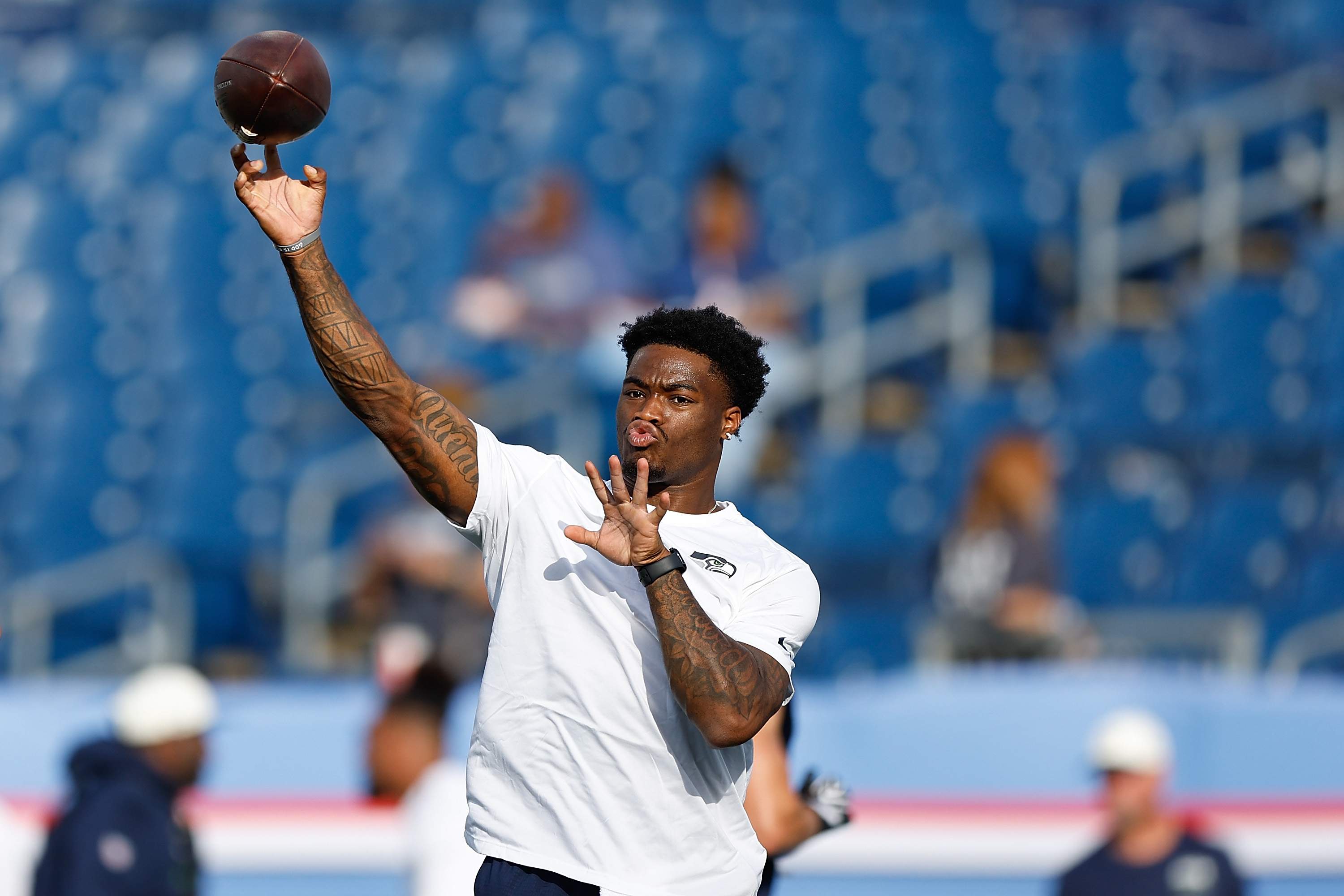
The early assessments coming out of the offseason point to Thieneman as a potential long-term cornerstone for Chicago’s secondary. Observers highlighted his blend of speed, instincts, versatility, aggression, and passion as attributes that could elevate the defense’s overall ceiling. In particular, his pairing with fellow offseason addition Coby Bryant gives Chicago a more dynamic and aggressive safety duo, capable of providing big-play potential in a league that prizes ball production and field versatility from the back end.
Thieneman’s transition into the Bears’ system has been gradual. During the initial minicamps, he worked primarily with the second unit and publicly acknowledged the need to align his progression plan with the coaching staff. While the expectation is that he will need to earn his playing time, his confidence about earning a meaningful role remains intact. The spring evaluations showcased his athleticism and physicality, and as the summer progresses, more opportunities are likely to follow as he continues to acclimate to the playbook and the defensive scheme.
From a schematics standpoint, Thieneman’s skill set aligns with a defense that emphasizes speed and matchups in the secondary. His spring presence suggested that he could be a valuable chess piece in a defensive coordinator’s toolkit, with the capacity to contribute across multiple roles in the backend. The coaching staff’s challenge will be to harness his instincts and translate them into consistent on-field execution when the pads come on and the scheme tightens.
Further reinforcing the defensive plan, Chicago’s front seven will have to complement the secondary’s improvements. The Bears entered the offseason with a few notable questions about their defensive line depth, banking on the potential growth of players like Montez Sweat and Austin Booker. The aim is to create a more cohesive front that can pressure quarterbacks while allowing the secondary to play with more confidence and stay poised in coverage. The belief is that a sturdier front end will magnify the impact of the revamped safety unit and enable Chicago to generate more turnovers and disrupt opposing offenses more consistently.
The revamped safety corps, anchored by Thieneman and Bryant, is designed to provide more than just depth. The group will be expected to communicate effectively, read opposing offenses quickly, and provide versatile responses to a variety of formations. The Bears also project to return veteran contributors in the secondary, including cornerbacks Jaylon Johnson, Tyrique Stevenson, and Kyler Gordon, who will be asked to maintain high performance while supporting the new safeties. The goal is to forge a cohesive back end that can close gaps, challenge long throws, and help sustain a stronger overall defensive footprint.
Beyond the personnel changes, the team’s broader strategy centers on balancing an explosive offense with a more reliable defense. By investing in the secondary and adding versatile players who can adapt to multiple looks, the Bears hope to create a defense that can keep pace with a high-powered offensive unit while also generating game-changing plays. The blend of speed, versatility, and aggressive playmaking across the defensive backfield could yield the consistent production needed to elevate the team’s overall competitiveness.
As Training Camp approaches, all eyes will be on how quickly Thieneman, Bryant, and the rest of the secondary can gel with the rest of the defense and how the coaching staff plans to deploy them in various packages. The summer practices will be critical for evaluating how players communicate, diagnose plays, and adjust to different formations. With the groundwork laid in the spring, Chicago’s defensive staff will look to translate potential into real-m game impact once the pads are on and the preseason action begins.
In sum, the Bears’ offseason moves reflect a deliberate effort to strengthen the defense through speed, versatility, and depth in the back end. Dillon Thieneman’s arrival adds a young, dynamic dimension to a secondary that is being retooled to support a fast, aggressive defensive identity. If the coaching staff can maximize his talents and foster effective chemistry with Bryant and the rest of the secondary, Chicago could see a meaningful uptick in playmaking and defensive stability as the season unfolds. The combination of a strengthened pass defense and a front that pressures the quarterback could position the Bears to better contend in a competitive division and pursue their broader organizational goals for sustained success.