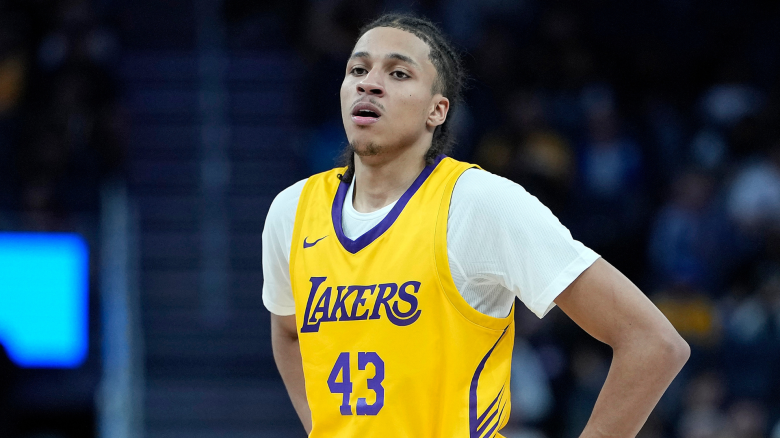
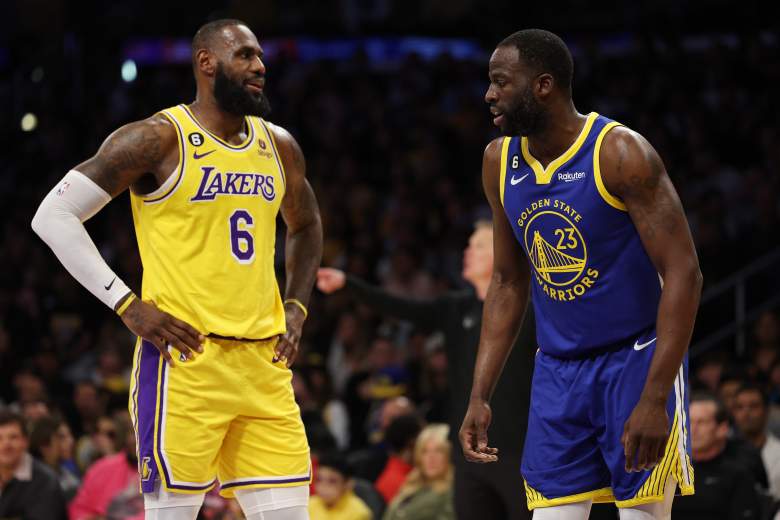
The core idea circulating among observers is that the Lakers’ acquisition of Luka Dončić in the draft or via late-stage maneuvers signaled a shift in long-term priorities. By bringing in a young, legendary talent centerpiece, the Lakers reportedly positioned themselves to pursue a rebuild path that reduces James’ role and salary demands over time. This interpretation suggests the franchise was prepared to navigate a graceful transition, allowing James to depart with dignity while the team pivots toward a future without him.
Public commentary around the situation has included criticisms of how LeBron’s camp has handled the narrative. Some analysts describe Rich Paul’s public outreach to various teams as “propaganda” or window dressing, arguing that if there were genuine interest from many franchises, a silent, private dialogue would have sufficed rather than publicized outreach. The perspective is that LeBron and his representatives are adjusting to a new reality in which James no longer holds the leverage he once did, as his contract negotiations and market value have evolved with the league.
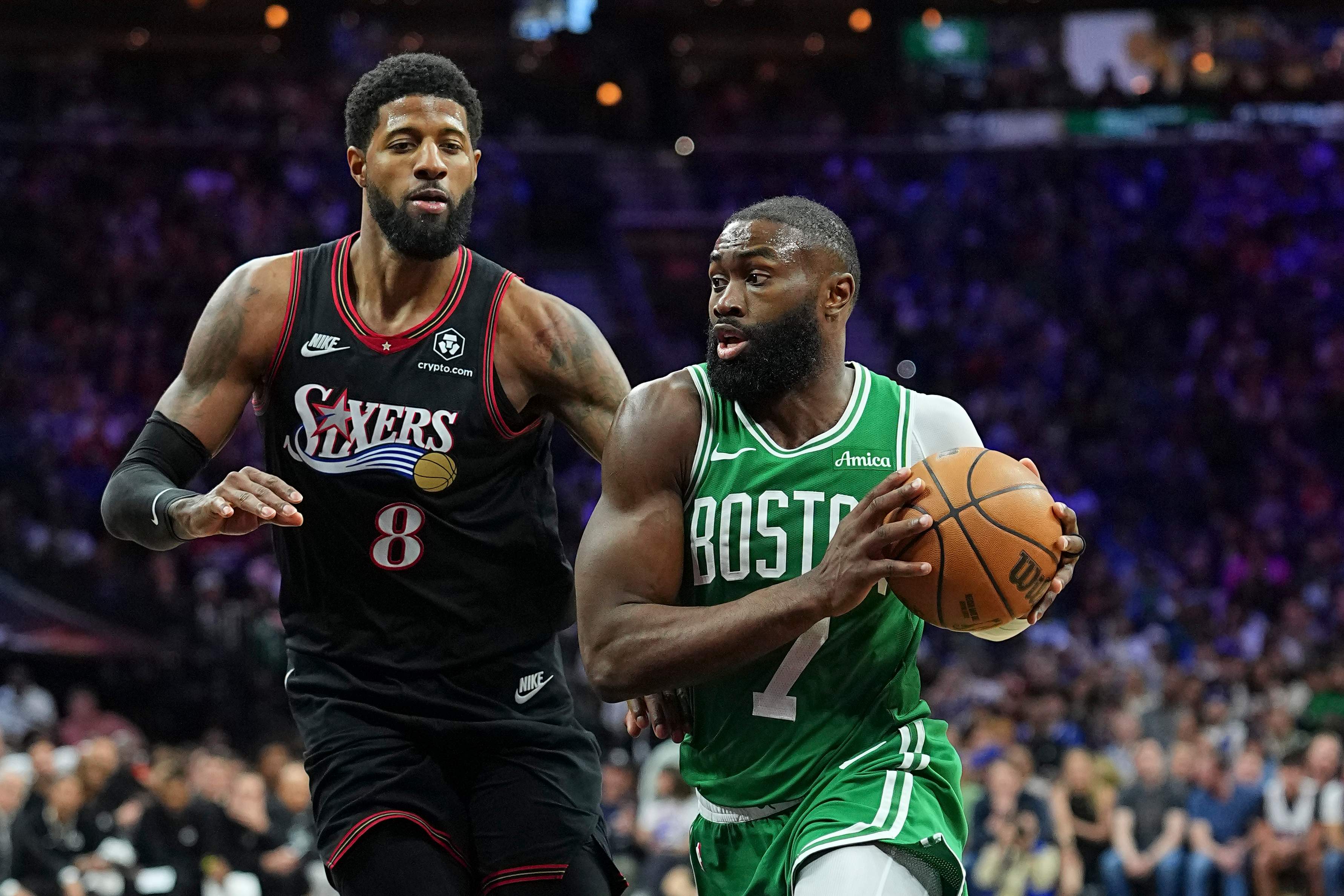
Despite questions about his market value, LeBron continues to attract attention as a free agent. Publicized interest purportedly spans several competitive teams across the league, including franchises with championship aspirations or strong player-development trajectories. The list of rumored suitors has included the New York Knicks, Boston Celtics, Miami Heat, Philadelphia 76ers, Golden State Warriors, Los Angeles Clippers, Denver Nuggets, Dallas Mavericks, San Antonio Spurs, and Cleveland Cavaliers. While not every reported brush with the league’s front offices may materialize into a formal offer sheet, the chatter underscores the high-profile nature of James as a player and as a brand.
A crucial element of the narrative is the possibility that James could accept a veteran minimum contract for the upcoming season. If willing to accept a substantial pay cut or a figure near league minimum, James could join a contending team with a clear pathway to title contention while reducing his financial burden on any prospective franchise. The veteran minimum in the NBA can provide teams with a path to bolster depth and leadership without exceeding payroll constraints, a compelling proposition for a veteran star who prioritizes playing for a hopeful title chase over maximizing annual earnings.
From a performance perspective, LeBron James remains a remarkable asset. Even in the later stages of his career, he continued to produce at a high level, averaging around 21 points, six rebounds, and seven assists per game during a season that included significant minutes and multiple All-Star selections. These numbers, while not at peak peak levels of earlier seasons, still mark him as a rare combination of scorer, facilitator, and floor leader capable of impacting a playoff-caliber lineup. His enduring two-way impact and veteran leadership are valued commodities for teams aiming to accelerate a championship pursuit or to stabilize a younger core during a rebuild.
For teams evaluating their options, the decision to pursue or pass on James involves weighing the short-term impact against long-term strategy. A contender might view James as an immediate upgrade on the wing or as a facilitator who can elevate younger players through mentorship and on-court decision-making. Conversely, a franchise considering a more aggressive rebuild might see James as a transitional bridge who can help a team stay competitive while the rest of the roster develops.
Ultimately, the expectations around LeBron James’s next destination pivot on multiple factors: salary structure, role clarity, championship ambitions, and the likelihood of contributing meaningfully to a deep playoff run in the near term. The coming weeks will likely reveal which franchises view James as a premium add, which envision him as a veteran mentor, and which are prepared to chart a different course entirely.
In the broader context of the league’s dynamics, the Lakers’ stance toward LeBron reflects a larger trend in how franchises balance legacy with sustainability. When a team integrates a generational talent like Dončić in a manner that signals a shift away from a veteran cornerstone, it signals a recalibration of identity and expectations. The sports world will be watching closely as negotiations unfold, teams disclose their strategic priorities, and LeBron James weighs options that could shape the next chapter of his storied career.