Key backcourt players already solidified include Luka Doncic and Austin Reaves, who are expected to log roughly 35 minutes each at the guard positions. That combination leaves around 26 minutes of backcourt time to be distributed. Most of that is anticipated to go to newly signed backup Collin Sexton. In addition, rookie Cameron Carr and another newcomer, Quentin Grimes, will compete for minutes at the shooting guard spot. Young prospects Bronny James and Dalton Knecht could see cameo appearances if they remain in Los Angeles.
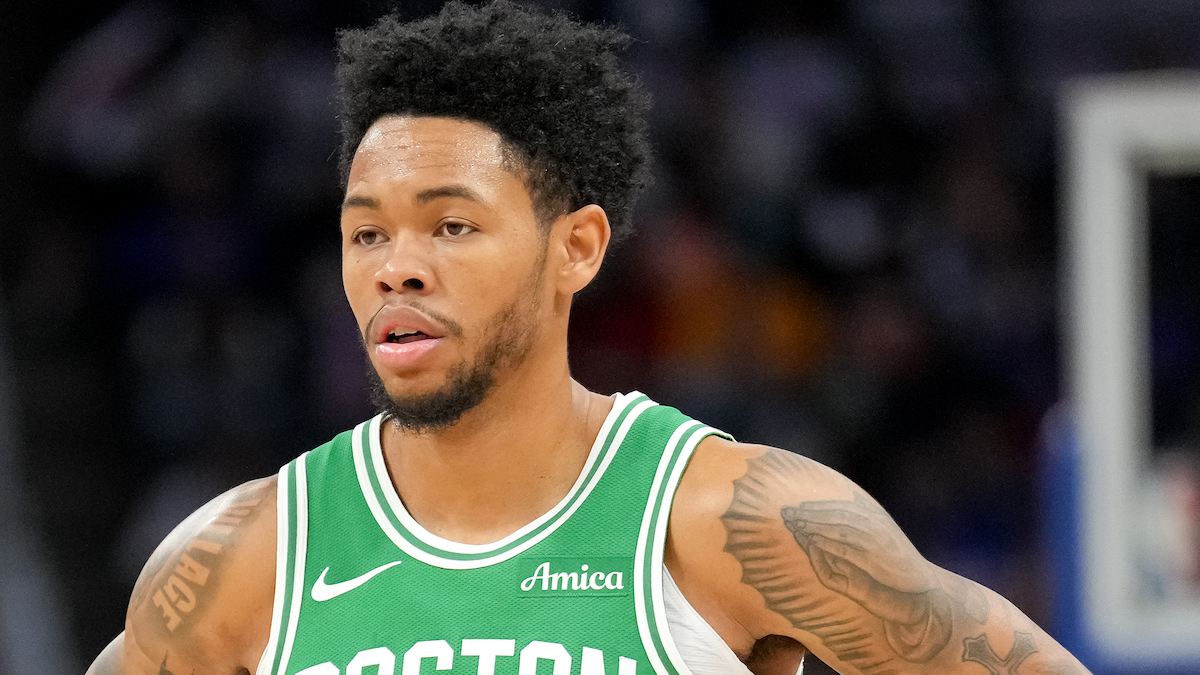
Hardy, a 2022 second-round pick, brings scoring punch. He averaged 12.6 points in 23 games for Washington to finish the previous season and carries a career shooting mark of 38.6 percent. However, he stands 6-foot-3 and has shown limitations on the defensive end, which could hinder his ability to break into a crowded rotation.
Prospects for Hardy with the Lakers have drawn cautious assessments from insiders. One team observer noted that the roster is already built around primary ball handlers and scorers, with most offensive play funneling through Luka Doncic, and, to a lesser extent, Austin Reaves. The remaining usage would likely be distributed among Grimes and Sexton, leaving little room for a player who is still developing as a defender and who must compete with more versatile guards for minutes. The sentiment is that Hardy’s defensive liabilities and his size position him behind other wing options in the pecking order, making regular rotation minutes unlikely without a notable shift in roles or injuries.
Defense could be a decisive obstacle for Hardy. Even if the Lakers did not plan to thrust Cameron Carr into immediate duty, Carr’s Summer League performance suggested he could be ready for a rotational role given the team’s need for perimeter defense and playmaking on the wing. For Hardy to win a spot, he would need to demonstrate improved defense and contribute as a complementary scorer who can space the floor and create off the dribble.
The decision to trade Deandre Ayton in exchange for Hardy and two second-round picks raises questions about the Lakers’ strategic direction. Ayton carried a higher cost in comparison to Hardy, but the trade makes financial sense for a team aiming to maximize cap flexibility and draft capital. Hardy’s contract runs at $6 million for the current season, while Ayton’s salary sits higher at $8 million. The Lakers are prioritizing budgetary room to pursue another wing and view the two extra second-round picks as valuable assets in a franchise with limited tradable draft collateral. Those financial moves create opportunities to maneuver in future trades or to open additional avenues for roster improvement.
In sum, Hardy’s future with the Lakers hinges on a combination of learning the NBA game, improving on defense, and capitalizing on any opportunities that arise due to injuries or need-for-scoring off the bench. With Doncic and Reaves anchoring the backcourt and Sexton providing additional scoring punch, the path to a meaningful role for Hardy is narrow. The Lakers appear to be betting on a longer-term development arc for Hardy, rather than predicting immediate impact minutes in the regular rotation. As the season unfolds, his performance in practice and in whatever sporadic late-game looks he earns will determine if his role grows or remains limited to occasional appearances.
This analysis keeps in mind the broader context of the Lakers’ roster construction and the strategic moves made in the Ayton trade, while presenting a practical outlook on Hardy’s fit and potential trajectory within the team’s system.