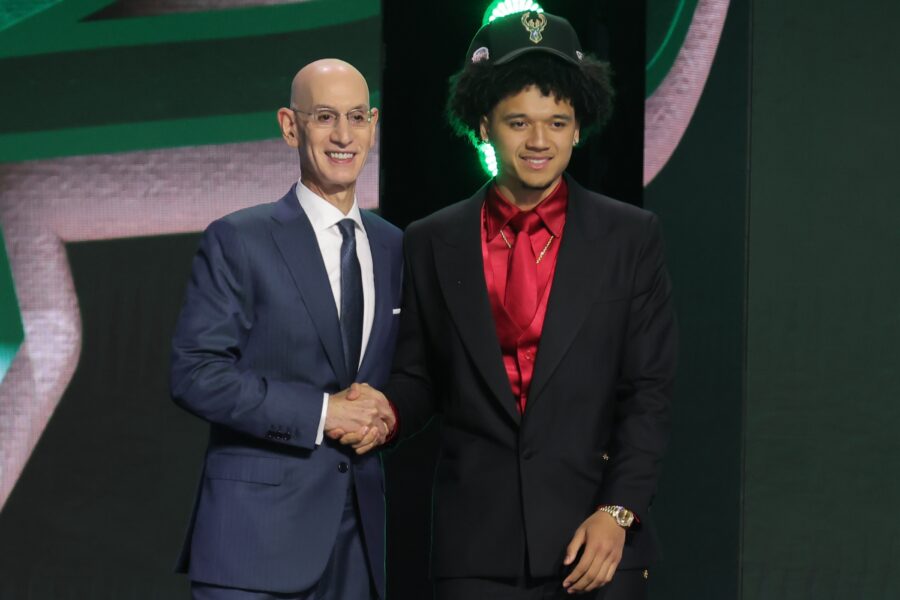
Watson’s path to a lucrative deal will be shaped by a freer agency landscape that has already shown signs of thinning at the top. Teams with ample cap room that could potentially pursue Watson have largely allocated their money to other targets, and Denver could be hesitant to entertain a sign-and-trade for a 23-year-old rotation player seen as a future building block. The restricted status means the Nuggets can retain Watson’s rights while allowing him to explore offers, but they’re not obligated to facilitate a move that may disrupt their projected roster plan.
From a contractual standpoint, Watson’s cap hold sits at roughly $13.1 million, giving Denver flexibility to keep him in the mix while continuing to pursue other moves. He ranks highly on 2026’s top free agents list, placing seventh nationwide and fourth among those still available on the market. This positioning underscores his value as a developing two-way contributor with meaningful upside.
The broader Nuggets narrative around Watson reflects a franchise weighing a mix of internal development and strategic acquisitions to sustain competitiveness. Denver has been navigating the summer with a willingness to operate in a heightened financial framework, sometimes described as approaching the “second apron” threshold if maintaining Watson and other restricted free agents requires it. This stance signals the front office’s commitment to preserving growth potential while balancing the team’s payroll constraints.
Several related dynamics have surfaced in recent discussions. One focus is the potential involvement of veteran centers and versatile forwards who could complement Denver’s core, including veteran options that could be explored via trades or salary-flexible moves. Discussions have touched on the possibility of back-end center depth being bolstered through avenues that would not derail the team’s long-term trajectory. The Nuggets have reportedly shown openness to exploring moves that could free up space or provide more roster balance as they position themselves to re-sign Watson and other restricted free agents like Spencer Jones, who is viewed as a developing talent with potential upside.
There has also been talk about how other teams perceive Denver’s leverage in any negotiation. Some rival clubs have weighed the value of trading for players who could fit into a longer-term winning framework if matched with lucrative extensions. For example, targeted players with expiring contracts or potential to be paired with Denver’s core have been part of the broader chatter among teams evaluating how to optimize cap space while remaining competitive. In this landscape, Denver’s decision to hold firm on certain asset valuations could influence how aggressively other teams pursue Watson or related pieces.
Meanwhile, trade speculation has connected Denver to various players who could theoretically be integrated into a larger salary-matching framework. While several reports have suggested potential swaps, the Nuggets are known to have been selective, weighing whether moves would meaningfully improve the team’s ceiling without compromising future flexibility. The organization’s approach to players who might command significant value on the open market—while preserving core pieces with long-term potential—remains a central theme of their offseason strategy.
Beyond Watson itself, there is curiosity about how Denver could optimize its lineup for the upcoming season. Analysts and insiders have discussed the possibility of augmenting the frontcourt and backcourt depth to ensure the team can maintain a high level of play across rotations. The Nuggets’ front office has historically prioritized a blend of veteran savvy and emerging talent, aiming to maximize Yoke-like playmaking while leveraging a diverse supporting cast. Any additions would need to align with the team’s cap structure and developmental timeline, ensuring that core players continue to progress while the organization remains competitive in the short term.
In terms of potential destinations, several teams with cap space could be logical landing spots for Watson should he move on via unrestricted channels in the future. However, the restricted framework means that any movement would require Denver to reach an agreement on compensation to relinquish rights, or Watson signing an offer sheet that Denver chooses not to match. The market’s current shape suggests that Watson’s price tag could be influenced by how aggressively teams pursue younger wings with similar profiles and how willing they are to commit significant money to developing players who are still early in their careers.
For Nuggets supporters, the central question remains: can Denver sustain a championship-caliber core while also retaining and developing Watson and fellow restricted free agents? The answer depends on the front office’s ability to balance maximum roster flexibility with the ambition to keep a rising young player who could play a crucial role in the team’s long-term plans. If Watson succeeds in commanding a salary near or above $25 million per year, it will reflect both his progress and the market’s willingness to invest in players who have demonstrated growth and potential impact.
Ultimately, the coming weeks will reveal how Denver navigates its cap space, whether they choose to retain Watson on a lucrative extension, match an attractive offer sheet, or pursue other strategic moves to preserve future flexibility. The team’s approach to roster construction, depth, and development will play a decisive role in shaping its competitive trajectory for the seasons ahead. As the offseason unfolds, Watson’s market value will be a key indicator of the Nuggets’ willingness to invest in a player who embodies the franchise’s hopes for a sustained era of success.