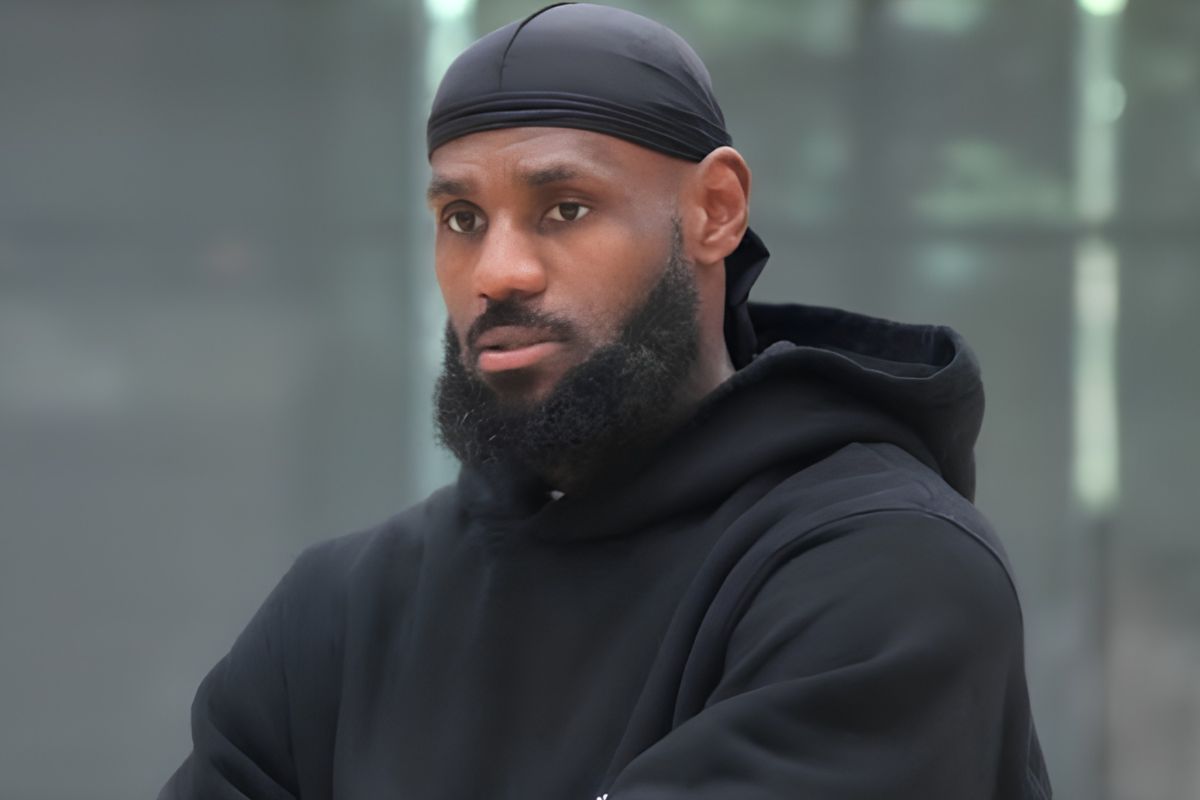
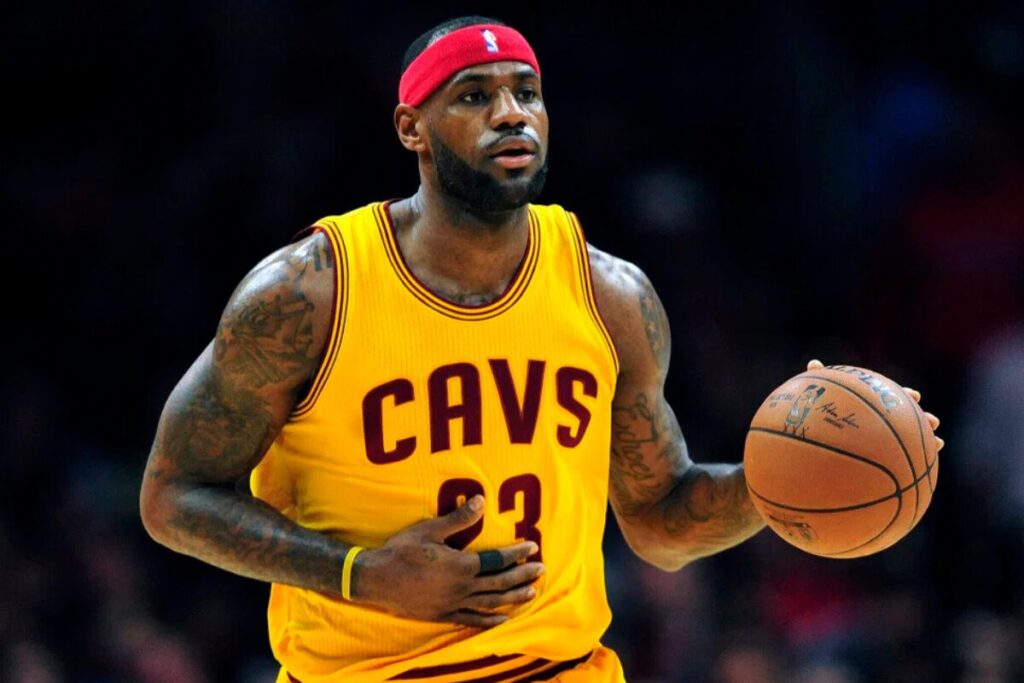
Critics view such public projections as a promotional maneuver rather than a straightforward discussion of basketball logistics. A well-known sports radio commentator challenged the display, arguing that it centers the narrative on James’s legacy and personal brand at the expense of long-term franchise development. The critique suggested that teams might be sacrificing depth, youth development, and asset accumulation in an attempt to align with the veteran star’s orbit. In this view, the offseason becomes a chess match not just of players and salaries but of reputations and brand narratives.
This line of thinking underscores a tension that often surfaces around aging superstars who have earned extraordinary longevity: does their presence elevate a franchise in meaningful, on-court ways, or does it create a dependence that short-circuits broader organizational growth? Proponents of James’s enduring impact argue that his presence can energize a franchise, attract talent, and raise the level of competition within a team’s locker room. Opponents, however, worry about the potential for teams to overvalue a veteran’s immediate impact at the expense of cultivating a balanced, multi-year plan.
The discussion also touches on how media representation can shape public perception of a player’s value. When a single figure or a highlighted strategy appears to dominate free-agent chatter, it can obscure the nuanced realities of modern team-building. Front offices often weigh a mix of factors: cap flexibility, developmental timelines for younger players, roster fits, and long-term prospects. A high-profile star can accelerate contention, but it can also compress the timelines and alter the strategic priorities of organizations that are trying to build sustainable contenders.
In the broader context of James’s career, questions persist about how he has evolved as a player and how his role fits with contemporary team dynamics. While his scoring efficiency and playoff pedigree remain noteworthy, discussions about on-court fit often contrast his strengths with the needs of teams seeking a balanced attack and reliable depth. The narrative around his path through free agency continues to reflect the ongoing debate about whether a player’s legacy should steer franchise strategy or whether teams should prioritize the growth of younger talent and long-term cohesion.
Several hypothetical scenarios were floated in relation to potential destinations being discussed publicly. Some analysts considered teams that had recently secured strong pieces or young talents, positing that a strategic pairing could create a formidable core. Others noted that certain franchises might be hesitant to alter championship chemistry or risk disrupting a winning dynamic after a recent title run. These conversations illustrate how the market evaluates fit, timing, and the interplay between veteran leadership and youthful potential.
Ultimately, the dialogue around LeBron James’s free agency and the accompanying whiteboard visualization highlights a broader question facing the league: how to balance the allure of proven greatness with the practical demands of building a competitive, forward-looking roster. The league’s fans, analysts, and front offices will continue to debate the best path forward as free agency unfolds, with attention inevitably turning to how teams manage cap space, development pipelines, and the strategic implications of any move involving one of the game’s most enduring icons.
As the offseason progresses, stakeholders will watch closely which franchises demonstrate patience and a commitment to long-term planning, and which are willing to chase immediate headlines in the pursuit of short-term success. The LeBron-era narrative remains a compelling subplot in the ongoing evolution of the NBA, reflecting both the enduring appeal of superstar presence and the perpetual challenge of building a roster that can compete for championships over multiple seasons.