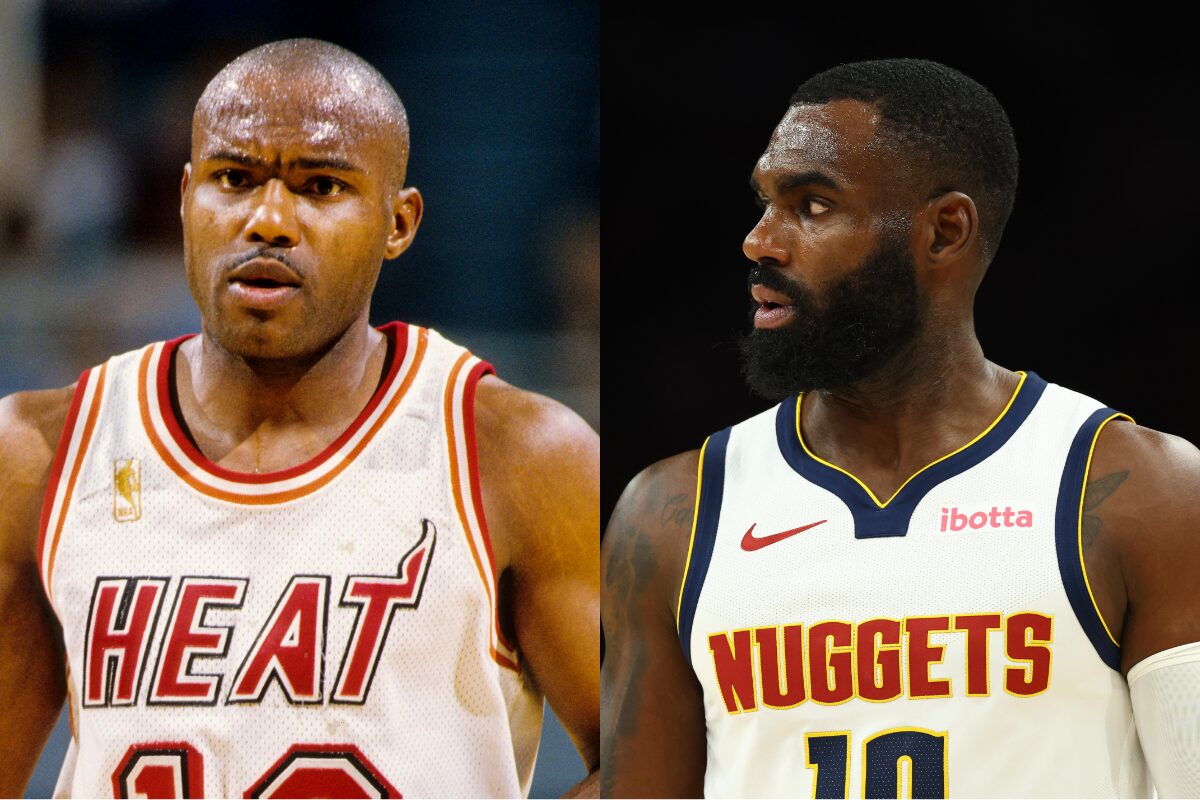
The NBA is exploring a bold officiating experiment aimed at addressing the league’s ongoing concerns about free throws and game flow. Rather than waiting for a formal adoption, the league plans to test the concept during the upcoming Summer League. The proposal has sparked immediate and vocal reactions from players, analysts, and fans, highlighting a fundamental debate about preserving traditional basketball norms while seeking faster, more engaging gameplay.
At the heart of the discussion is a radical idea: replace certain multiple free-throw sequences with a single, higher-stakes shot. Under this framework, situations that would normally award multiple free throws would be condensed into one attempt. The value of that single shot would depend on the nature of the foul and the attempt:
– Two-Point Fouls: When a player is fouled on a missed two-point try, only one free throw would be awarded, and if made, it would count for two points.
– Three-Point Fouls: If the foul occurs on a missed three-point attempt, a single free throw would be awarded, worth three points if successful.
– And-1 Situations: Plays where a traditional three-point or four-point sequence would occur remain unchanged, continuing as a single shot for one point when the old five-point or four-point plays are completed.
This concept is part of a broader attempt to streamline the free-throw portion of the game and minimize dead time. The NBA has already experimented with similar pace-of-play adjustments in other contexts, including the G League since the 2019–20 season, where the goal has been to tighten up game flow without losing the strategic depth of the sport. The current Summer League trial would extend that line of experimentation, applying the proposed single-shot rule to select scenarios to gauge its impact on pacing, scoring, and player behavior.
Supporters of the change argue that it could reduce game interruptions and maintain momentum, potentially leading to a more consistent level of engagement for fans watching in arenas and on broadcasts. They see value in eliminating the lengthy sequences that often accompany free-throw attempts, especially in high-stakes moments where the outcome of a game can hinge on a handful of possessions. In a league continually seeking to optimize entertainment value, such a reform could represent a natural evolution of rule design in response to modern viewing habits and analytics-driven insights.
Critics, however, warn that altering a foundational element of basketball—the way free throws are awarded—could undermine the sport’s traditions. They point to the strategic and psychological layers embedded in free-throw scenarios, where players and coaches rely on established rules to plan late-game decisions. Opponents also express concern about whether the saved minutes would be substantial enough to justify the disruption of a historical framework that has governed professional basketball for decades. They argue that free-throw dynamics—spacing, shooting rhythm, and the pressure of multiple attempts—are integral to the sport’s balance and cannot be dismissed without careful consideration.
Veteran voices from the game have weighed in with varied perspectives. Figures who played in eras known for physical, gritty defense tend to emphasize the value of rules that preserve traditional contest length and game tempo. They caution that even well-intentioned changes can ripple into unintended consequences, such as altered foul strategies, increased risk-taking, or uneven application across different game contexts. On the other side, proponents of modernization highlight evolving fan expectations and the necessity of keeping the sport’s pace aligned with other fast-moving professional sports.
As the Summer League test unfolds, stakeholders will be observing several key indicators:
– How the single-shot rule affects scoring distribution and free-throw efficiency.
– Changes in fouling behavior in late-game situations.
– Overall game tempo, including length of possessions and stoppages.
– Player and coach adaptability to the new decision framework.
– Fan and broadcaster reception, including whether the rule improves or diminishes the viewing experience.
Beyond the rule itself, the trial incorporates other accompanying measures designed to optimize gameplay. For instance, technological tools, such as sensor-embedded balls, are being considered to improve the accuracy and consistency of officiating during fast sequences. These innovations aim to reduce disputes and enhance the reliability of rulings under the new system.
The NBA’s willingness to experiment reflects a broader trend in professional sports: balancing tradition with innovation. While the core objective remains to deliver exciting, competitive basketball, leagues are increasingly open to rule refinements that can trim inefficiencies without eroding the essence of the sport. The Summer League test serves as a crucial early probe into whether these changes can achieve that balance.
In the end, the success of any substantial rule modification hinges on a clear and compelling improvement to the game. If the one free-throw framework delivers smoother gameplay, maintains fairness, and preserves the strategic depth that fans expect, it could pave the way for a broader, league-wide evaluation. If not, the experiment will likely guide future revisions or back-of-house adjustments without a formal adoption. As with any meaningful change to the sport’s conventions, the coming weeks of observation and data analysis will be critical in determining the path forward.