Despite the optimistic outlook tied to Duren’s development and the 60-win benchmark the Pistons reached, many observers believe Detroit should pursue another high-impact addition to elevate its ceiling toward genuine title contention. In this context, a compelling hypothetical scenario has emerged: could a trade for Kyrie Irving reshape Detroit’s trajectory?
Trade concept and core considerations
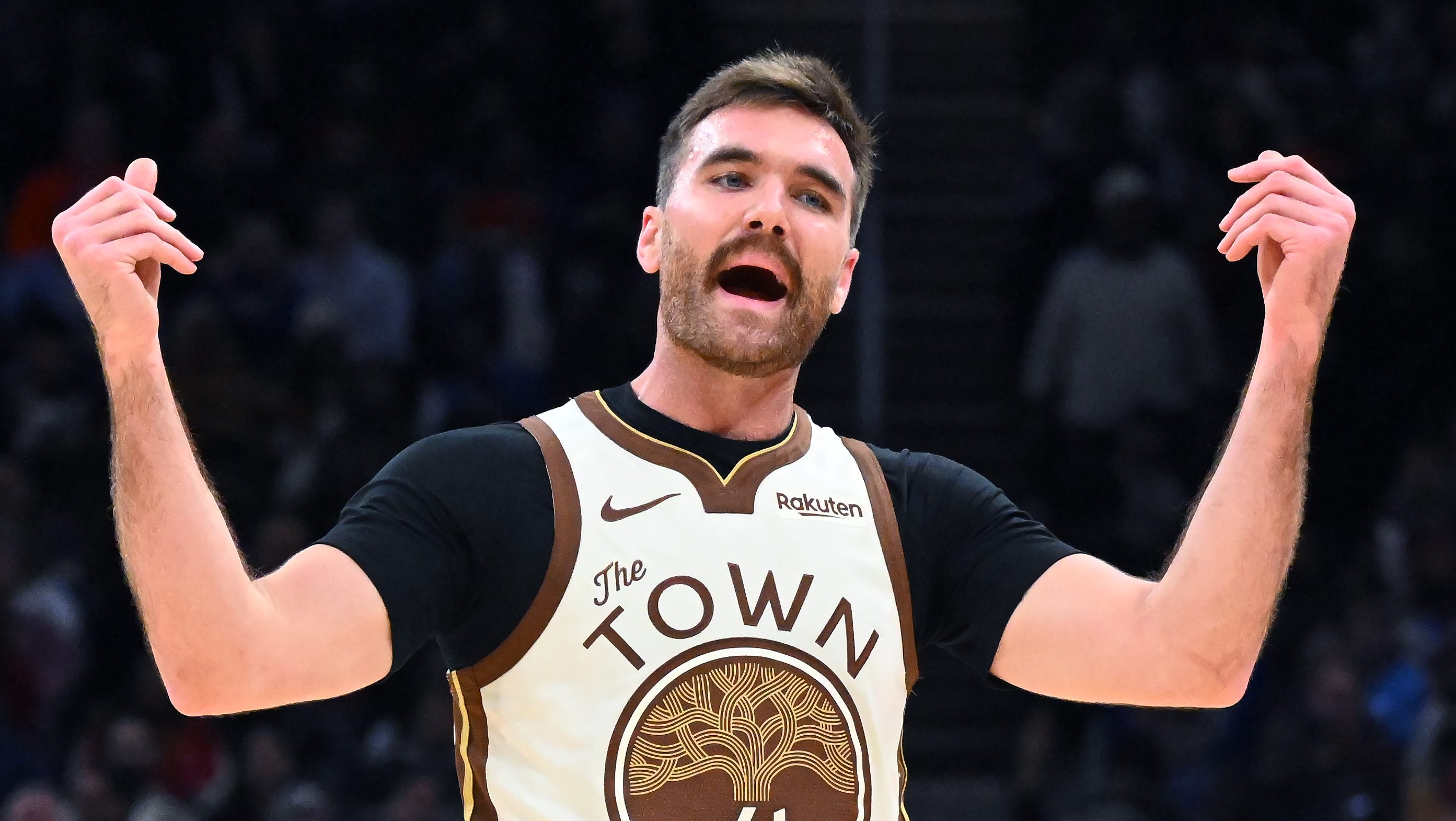
A proposed deal envisions the Pistons sending several veteran and young assets to Dallas in exchange for Irving. In one illustrative package, Detroit would part with Duncan Robinson, Caris LeVert, Ron Holland II, and their 2028 first-round pick to acquire Irving from the Mavericks. Whether this constitutes fair value is a matter of debate, as Irving sits at a different stage of his career and carries a substantial contract. There are questions about cap impact, future flexibility, and the balance between win-now pressure and long-term development. Still, the allure is hard to ignore: pairing Kyrie Irving with Cunningham could create a dynamic backcourt that stretches defenses, accelerates the offense, and adds postseason pedigree.
Why Irving could be a transformative fit
Irving brings a rare blend of scoring punch, playmaking ability, and championship experience. If he can recapture the form and explosiveness he displayed during previous playoff runs, pairing him with Cunningham could provide Detroit with a proven closer and a secondary scorer who can operate in late-game situations. The theoretical upside centers on two ball-handlers who can create shots for themselves and others, potentially alleviating some of the playmaking burden on Cunningham while keeping the offense multiple and unpredictable.
Historical context and potential impact
Detroit’s path last season included grueling playoff experiences, with Cunningham shouldering much of the load and Harris often stepping up when needed. A pairing of Cunningham and an elite shot-creator like Irving could mirror successful two-guard combinations seen across the league, where a dynamic backcourt duo drives late-quarter momentum and keeps defenses guessing. Irving’s experience leading offenses in high-stakes moments could complement Cunningham’s ascent, potentially making Detroit more competitive against deeper, more experienced teams.
Balancing risks and rewards
Any move to acquire Irving would involve trade-offs. The Pistons would likely surrender veteran depth and draft capital, which could impact their immediate competitiveness and long-term prospects. At the same time, adding a perennial All-Star with a track record of performing in big moments could accelerate Detroit’s rise from a playoff hopeful to a legitimate contender. The key is assessing whether the upgrade at backcourt closers and shot-creation justifies the cost, especially given Irving’s injury history and the potential for roster churn.
Role of internal development
Even with a potential Irving addition, Detroit would still need to maximize internal development. Cunningham’s continued growth as a primary facilitator and scorer is essential. John Collins provides athletic defense and spacing, but the Pistons would benefit from complementary pieces who can defend at a high level and contribute consistent outside shooting. Depth remains a concern, and future draft assets could still play a crucial role in sustaining competitiveness as the team navigates salary constraints.
Bottom line
The idea of pursuing Kyrie Irving reflects the Pistons’ ambition to expedite a leap toward title contention. While the hypothetical deal carries significant questions about value and fit, the prospect underscores Detroit’s desire to optimize its backcourt potential and capitalize on Cunningham’s rise. As the team continues to refine its roster, the balance between upgrading star power and preserving long-term flexibility will shape any decisions that could alter the franchise’s trajectory in the seasons ahead.