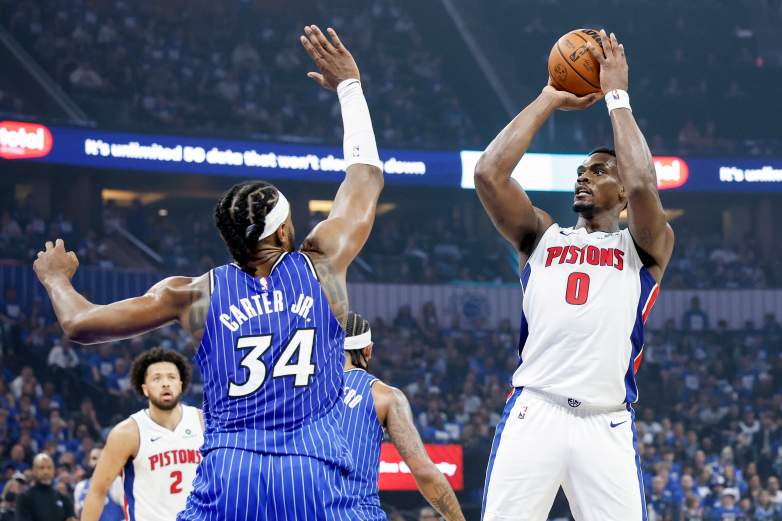
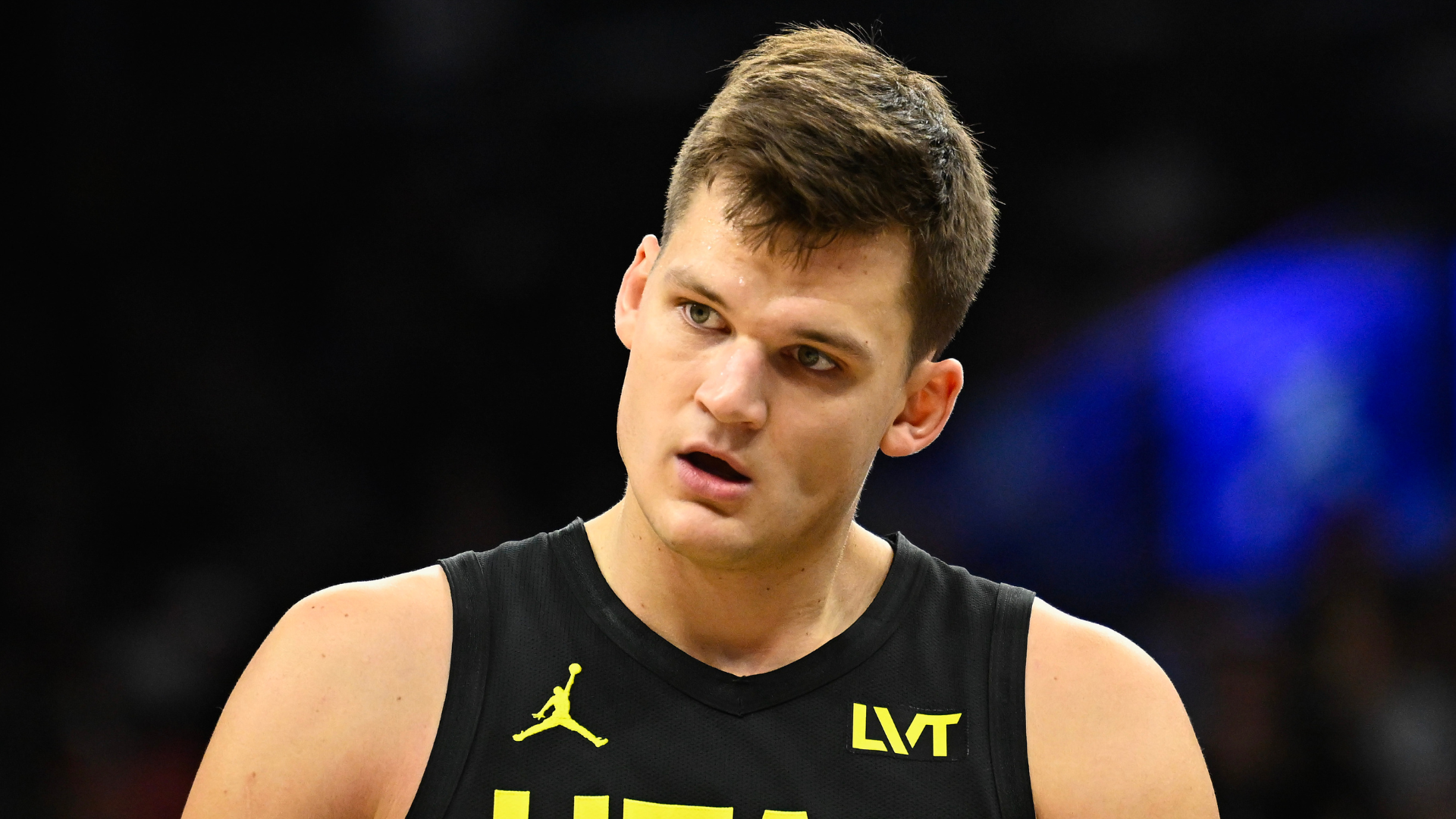
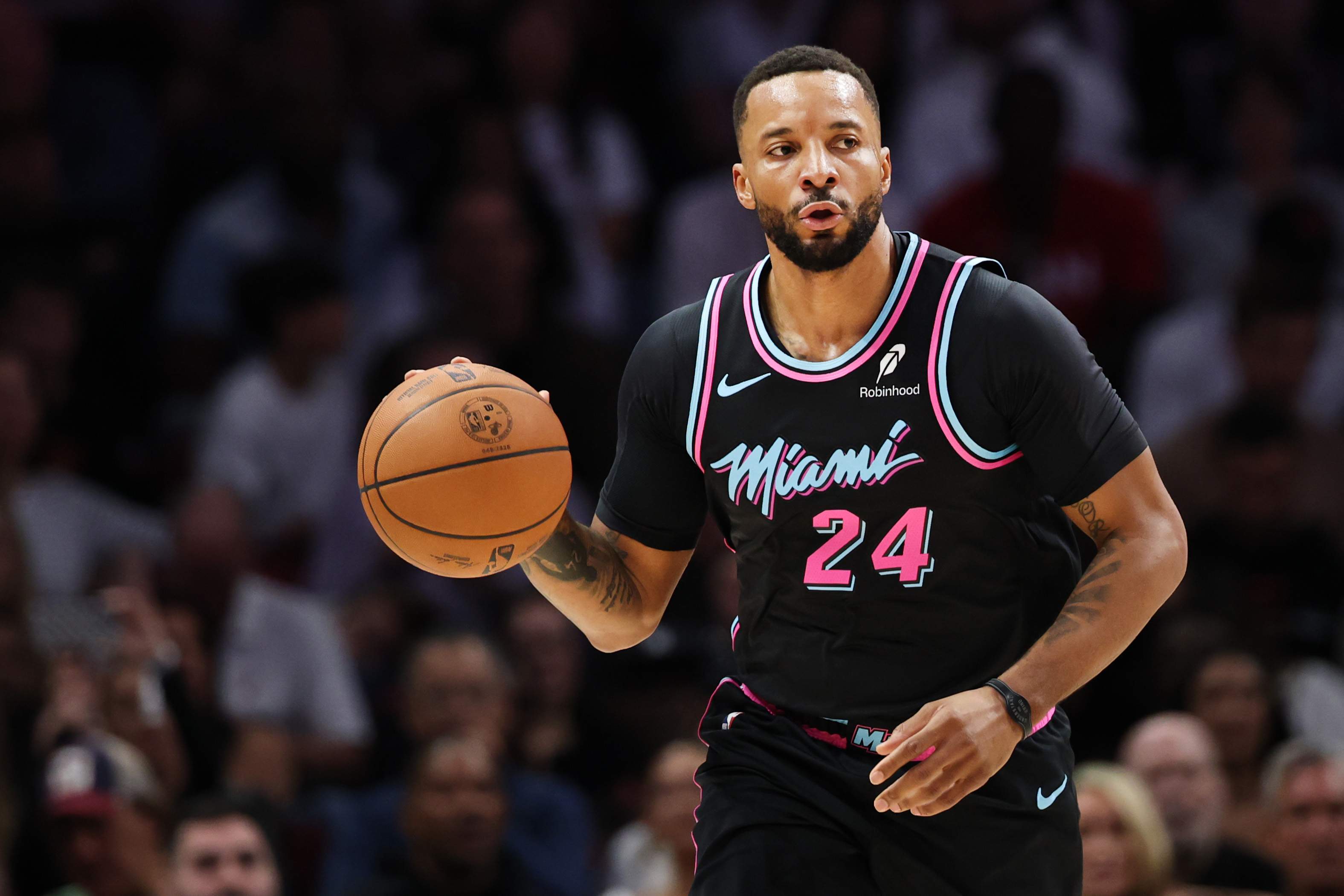
Robinson has spent eight seasons with the Knicks, carving out a valuable role on a team that reached the 2026 NBA Finals. In the 2025-26 season, he posted averages of 5.7 points, 8.8 rebounds, and 0.9 assists per game, while converting 72.3 percent of his shot attempts. The Celtics previously leaned on Neemias Queta and Luka Garza to anchor the center position, but both players showed defensive limitations against elite opponents, notably in the first-round series against Philadelphia. Robinson’s defensive versatility and rebounding prowess are expected to bolster Boston’s interior resilience and give coach Joe Mazzulla more lineup options in different playoff-style scenarios.
Robinson’s departure from the Knicks to the Celtics came as a surprise to many fans who had grown accustomed to his role in New York. Social media reactions highlighted the sense that he would miss his former teammates and city, though his move signals a new chapter with Boston. His comments on a post from a former teammate reflected mixed emotions about the transition, emphasizing the broader impact of free-agent decisions on player relationships and franchise dynamics.
In terms of fit, Robinson is not primarily known for scoring, and his free-throw shooting has been a notable weakness. Nevertheless, his impact on the glass and his defensive presence can complement Boston’s young bigs, particularly Queta and Garza, who bring offensive flash but require steady interior defense at times. The addition gives the Celtics a more flexible frontcourt rotation, enabling them to adapt to various opponents and game situations throughout the season.
Looking ahead, Robinson is expected to be a regular part of Boston’s lineup as they navigate the post-Jaylen Brown era. While more moves could be on the horizon, the early impression is that Robinson will play a significant role and have multiple opportunities to contribute against former teams and in high-stakes late-season games.
Key considerations for the Celtics with this signing include:
– Interior defense and rebounding gains to complement the existing frontcourt.
– Depth and versatility to adjust lineups based on opponent and game plan.
– The need for continued development from young centers to maximize overall team performance.
– The balancing of Robinson’s strengths with surrounding talent to optimize efficiency on both ends of the floor.
As the season approaches, all eyes will be on how Robinson meshes with the Celtics’ system and how the team leverages this upgrade to push deeper into the playoffs. Conley’s addition at guard also provides veteran leadership and floor spacing, rounding out Boston’s approach to a more balanced, championship-oriented roster.