These transactions took place amid broader offseason discussions about how the team should structure its rotation. In the wake of these signings, discussions intensified about what the Lakers still needed to pursue to compete at a high level. The coaching and front office have repeatedly emphasized the importance of adding a reliable starting center, improving perimeter shooting, and injecting athletic wings into the lineup. Kessler’s addition helps fill the center slot, while Mamukelashvili, Grimes, and Sexton contribute shooting and offense, potentially providing a more versatile floor-spacer and scorer for various lineups.
Even after adding four new players, the Lakers remain active in free agency conversations. League chatter suggests the team is exploring wings who can guard multiple positions and transition quickly on both ends of the floor. This aligns with the need for athleticism on the wing, as clubs increasingly prioritize versatile defenders who can switch across multiple positions without compromising offense.
One notable name that has surfaced in discussions is Jonathan Kuminga, a young wing who has drawn interest from several teams. Kuminga entered unrestricted free agency after his option with his previous team was declined, leaving him available to sign with a new organization. The Lakers, among others, reportedly see Kuminga as a high-upside perimeter defender who can help bolster their defense and contribute on the wing with his length and emerging offensive potential.
However, the Lakers’ path to landing Kuminga is not straightforward. Salary-cap constraints and the need to maintain flexibility for future moves complicate the process. Analysts have suggested a few hypothetical routes the team might explore, such as salary-dumping veterans to create space or pursuing cost-efficient paths that could include waivers, stretch provisions, or even sign-and-trade scenarios if a partner is available. While there is always a possibility of creative cap maneuvering, such moves depend on external factors like trade appetite from other teams and Kuminga’s willingness to align on a shorter-term deal or accept a pay structure that suits both sides.
Competition for Kuminga is real. Other teams have been identified as potential destinations depending on how negotiations unfold. The Hawks have been mentioned as a possible rebid option, and the Bucks have also been monitoring Kuminga’s situation. The dynamics of team fit, contract terms, and the availability of matching assets can influence where Kuminga lands, if he signs with a new club at all.
Looking back at Kuminga’s performance, his regular-season numbers provide a snapshot of his potential: solid scoring and rebounding for a wing, with improving playmaking in later playoff moments. While not every team would offer the same role, Kuminga’s youth and upside give him a valuable ceiling as a multi-faceted contributor who can defend multiple positions and contribute offensively as he develops.
For the Lakers, the current strategy seems to center on maintaining cap flexibility while pursuing players who can immediately contribute and grow within the system. Some analysts have floated the idea of temporary salary-management moves, such as waiving or stretching contracts for existing players to free up space for high-upside additions. Any approach would need to balance short-term needs with long-term roster construction, ensuring that cap space is preserved for meaningful future moves or extensions.
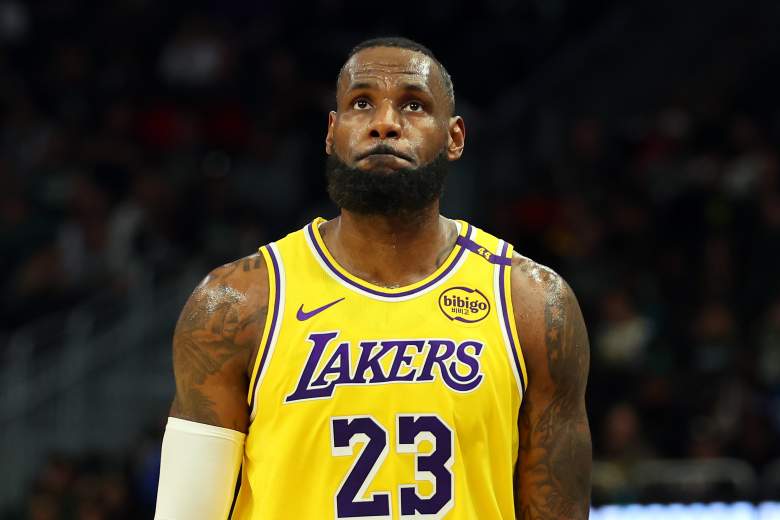
As the off-season progresses, more developments are expected. The Lakers’ front office will likely continue evaluating fit, chemistry, and cost, aiming to maximize LeBron James’ window and build around a core that can compete at a high level in the coming seasons. While the franchise has already added several new faces, the path to a deeper, more athletic wing presence remains a focal point of ongoing discussions. The team’s willingness to explore creative cap strategies and trade possibilities will play a crucial role in how actively they pursue Kuminga or other wings in the market.
In sum, the Lakers have begun July with a clear intent: strengthen the frontcourt with a reliable center, add shooting and playmaking through perimeter players, and chase athletic wings who can elevate perimeter defense. The next steps will hinge on cap space dynamics, trade markets, and Kuminga’s availability, as the team weighs immediate impact against long-term strategic alignment. The offseason remains a fluid landscape, with teams continually weighing how to optimize their rosters ahead of the upcoming season.