The concept debuted in the 2023-24 season after years of discussion at league headquarters. Commissioner Adam Silver has long indicated that such an in-season format could fit well with the NBA’s global, fast-paced style, and the first edition proved that the idea could coexist with the traditional marquee games while giving teams a tangible prize and extra meaning to group play and knockout rounds. Silver framed the change as part of a broader trend in sports: innovation that honors the past while creating fresh traditions for the present and future.
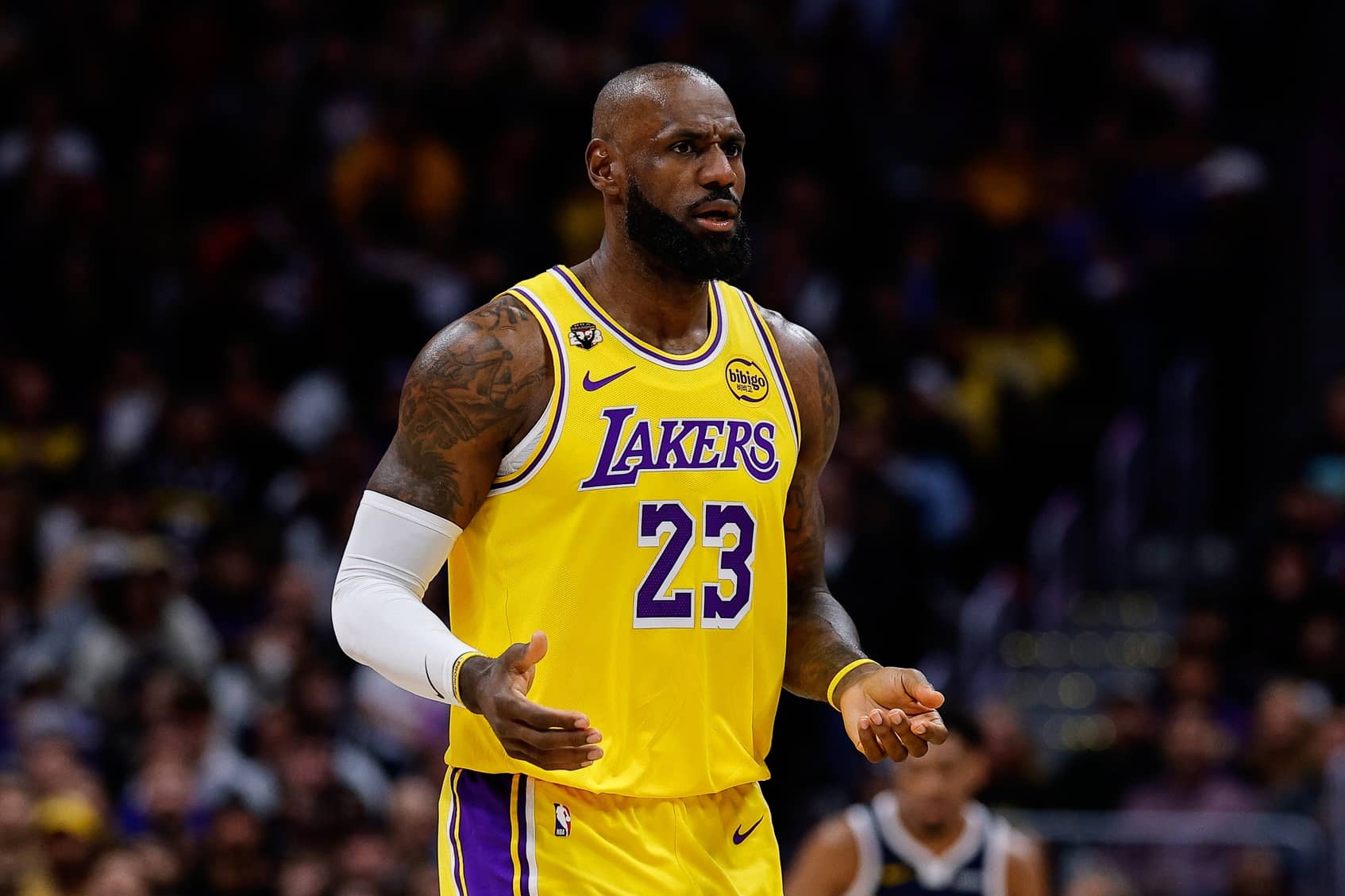
Within three seasons, the Emirates NBA Cup has evolved into a recognizable component of the NBA calendar. Its inaugural champion was the Los Angeles Lakers, led by a prominent figure who remains central to modern basketball discourse, and the following year saw the Milwaukee Bucks claim the trophy. A notable development came in the most recent edition when the New York Knicks captured both the NBA Cup and the NBA championship, beating the San Antonio Spurs in both the Cup final and the NBA Finals. That double achievement underscored the Cup’s potential to influence long-term momentum and narrative across the season.
The prize for Cup winners includes not only the ceremonial trophy but also a substantial financial incentive. Each player on a standard contract receives a cash prize, which has helped maintain a high level of interest and competition among rosters throughout the tournament. The financial element adds real-world stakes that can influence resting decisions, rotation strategies, and player motivation during the early-season schedule.
Looking ahead to the 2026-27 season, the NBA Cup Championship game is slated to take place in an arena steeped in basketball history, adding a ceremonial resonance that aligns with the tournament’s narrative. The choice of venue reflects the league’s aim to pair high-stakes basketball with iconic basketball settings, enriching the experience for players, coaches, and fans alike.
One of the most storied venues associated with this upcoming championship is Hinkle Fieldhouse in Indianapolis, a site renowned for its deep connections to basketball lore. The league has emphasized that hosting the championship in such an iconic environment will heighten the drama and help position the Emirates NBA Cup as a signature moment on the NBA calendar. The setting is particularly meaningful given the building’s storied past in Indiana basketball culture and its association with memorable moments that have influenced generations of players and fans.
To understand the cultural significance of the venue, it helps to recall a historic 1954 Indiana high school championship played at the arena when Milan High School, a tiny rural school, faced off against the much larger Muncie Central. With Milan’s miraculous 32-30 victory in a defensive battle, a national sports legend was born. The game became known as the Milan Miracle, fueled by a late-game jumper that cemented an underdog triumph and reshaped the perception of what small schools could achieve on the big stage. The moment is still celebrated in Indiana basketball folklore and is often cited in discussions about underdog feats.
The Milan story has reverberated beyond basketball, inspiring cultural works and shaping the film portrayal of high school basketball heroism. The arena is also linked to the 1986 sports classic Hoosiers, which, while stylized for cinema, drew heavily from the real-life aura surrounding Indiana basketball. The movie, which earned multiple Oscar nominations, helped popularize the regional basketball mystique and underscored the lasting influence of Indiana venues like Hinkle Fieldhouse on the broader basketball narrative. The historical legacy of the arena contributes to why hosting a modern NBA Cup final there carries special significance for fans and players alike.
The ongoing tale of Hinkle Fieldhouse—its role in historic games and its place in popular culture—adds a layer of narrative richness to the Emirates NBA Cup Championship. As the NBA builds this in-season competition into a longer-running tradition, the choice of Indianapolis and Hinkle Fieldhouse reinforces a bridge between legendary local basketball moments and contemporary professional play. It invites fans to imagine the next chapter in a venue that has long stood at the crossroads of memory and sport.
In sum, the Emirates NBA Cup has matured into a distinctive feature of the modern NBA season. It has delivered competitive intensity, given players a meaningful prize, and created fresh, locally resonant storylines that fans can rally around. With future championships planned in locations steeped in basketball history, the Cup promises to become a lasting part of the league’s balanced approach to competition—one that respects tradition while embracing innovation. As teams prepare for the upcoming iteration, observers can anticipate more dramatic finishes, underdog narratives, and memorable moments that capture the enduring excitement of basketball.