Early drama and a difficult night for the team
Croatia struck early, taking the lead through Ivan Perisic. The goal exposed structural vulnerabilities in Portugal’s approach, particularly in how the team was organized under head coach Roberto Martinez. Fernandes, normally the creative engine for Portugal, found the going tough as the game unfolded. Although he was involved in the build-up and had moments where Portugal looked capable of balancing the scales, the collective execution fell short of what is usually expected from a Fernandes-led attack.
Fernandes’s impact and the broader midfield display
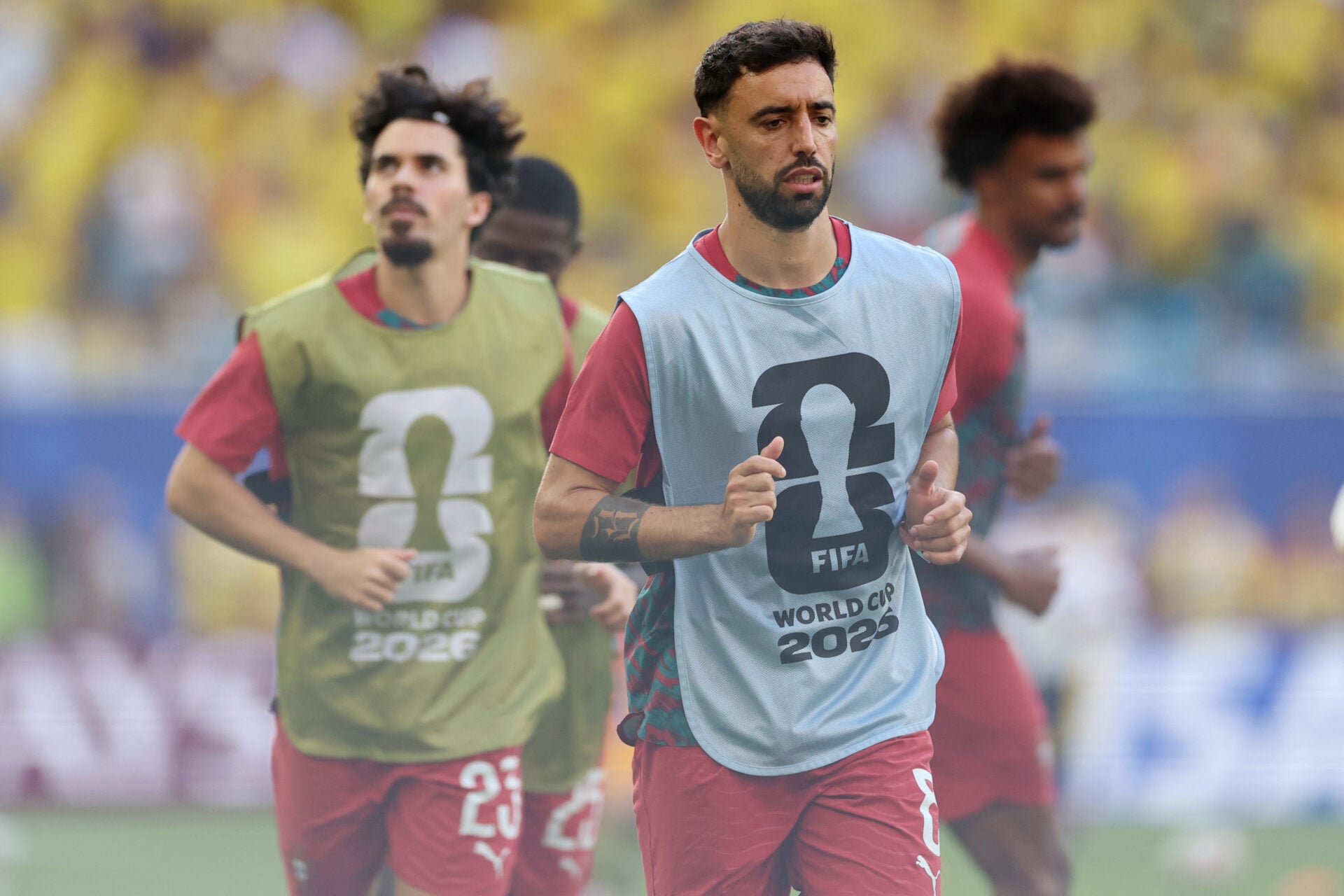
Fernandes started and produced the best individual moment for Portugal in the first half with two chances that were thwarted by the Croatian goalkeeper and a defender’s block. Despite those opportunities, he struggled to influence the game beyond those moments. The team’s inability to consistently advance the ball through the middle and feed Fernandes with the necessary running options limited his effectiveness. There were visible signs of frustration as center-backs and midfield partners appeared hesitant to push the ball forward with pace and purpose.
The structural concerns were evident: Portugal’s build-up and attacking patterns did not resemble the form that fans have come to expect from Fernandes’s best performances. The players around him seemed reluctant to commit forward runs, and the reluctance to play quick, forward-facing passes allowed Croatia to reset and stifle Portugal’s attacks. This has prompted discussions about whether the system is optimally aligned with Fernandes’s strengths and whether the coach should adjust the approach to maximize the creative talent at his disposal.
Ronaldo’s knockout-stage milestone amid a challenging night
Cristiano Ronaldo finally found the back of the net in a World Cup knockout match, converting a penalty in the second half to level the score. The goal carried significant weight for Ronaldo personally, marking a long-awaited breakthrough in World Cup knockout play. There had been an earlier near-miss ruled offside, which amplified the moment when the goal finally stood. Ronaldo’s celebrations suggested the importance of breaking his personal drought, a moment that would resonate deeply with him and the team.
While the goal was a milestone for Ronaldo, it did little to alter the broader tone of the game. Questions about his role moving forward—whether he should start against Spain or be used as a substitute—had already begun to circulate. Across the camp, there was a sense that Ronaldo, despite his status and history, might not be the most effective option in every tactical scenario, especially if the team wants to generate more fluid, collective attacking moments.
Goncalo Ramos’s decisive goal and Portugal’s route forward
Before Croatia managed to level the score again, Goncalo Ramos had found the net, a goal that ultimately sent Portugal through to the next round. Ramos’s effort helped Portugal advance despite the overall struggles. The manner in which Portugal secured the win highlighted how close the game remained and how critical timely goals can be in knockout football. Ramos’s contribution underscored the importance of squad depth and the ability of several players to step up when the usual spark from Fernandes and Ronaldo was not consistently on display.
Looking ahead: Spain awaiting and the path to a more cohesive attack
With Spain looming in the next round, Portugal faces the task of recalibrating its approach to maximize both Fernandes and Ronaldo, while also ensuring the rest of the lineup contributes in a more sustained and cohesive manner. The match revealed clear areas for improvement:
– Midfield linkage and tempo: Portugal needs quicker, more decisive passing from midfield to unlock defenses and create better looks for Fernandes and the supporting attackers.
– Forward runs and spacing: A more aggressive forward-movement plan could help draw defenders and open pockets for Fernandes to operate with greater influence.
– Utilization of Ronaldo: A clearer role for Ronaldo, balanced with contributions from other attackers, may help avoid over-reliance on a single path to goal and create more varied attacking options.
– Defensive solidity and transition: Reducing the times when Portugal is caught on the counter or forced into risky build-ups will help the team maintain control and build confidence.
Conclusion
The round-of-32 loss of structure and the lack of a consistently dominant performance from Portugal’s key playmakers marked a difficult night in Toronto. Fernandes’s quiet influence by his standards contrasted with Ronaldo’s knockout-stage milestone, illustrating a team at a crossroads: how to harness elite individual talent within a shared tactical framework that can compete at the highest level. As Portugal prepares for the next match against Spain, the focus will be on tightening the build-up, improving the link between midfield and attack, and ensuring that the squad can deliver a more balanced and threatening performance across the full 90 minutes.