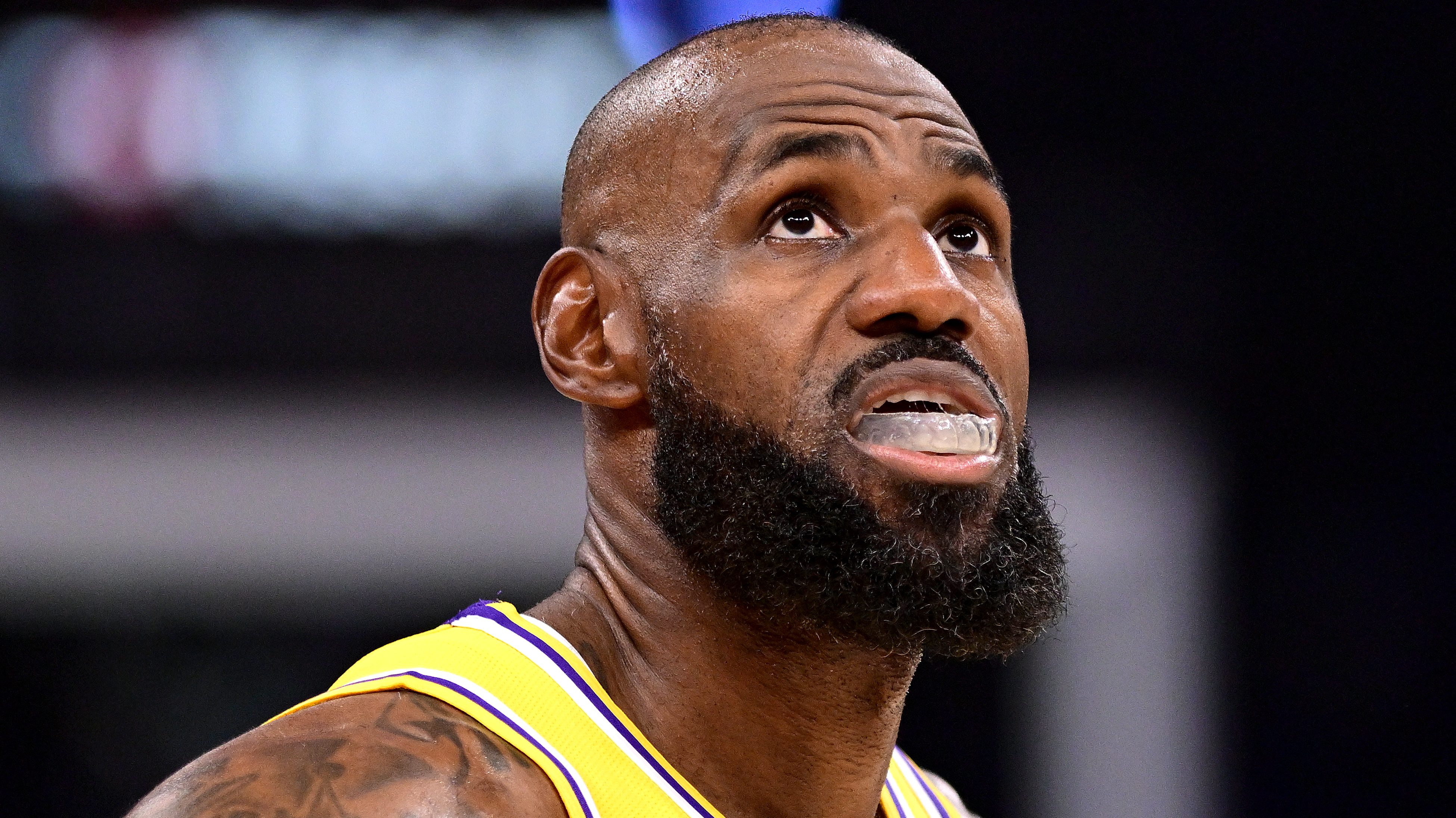
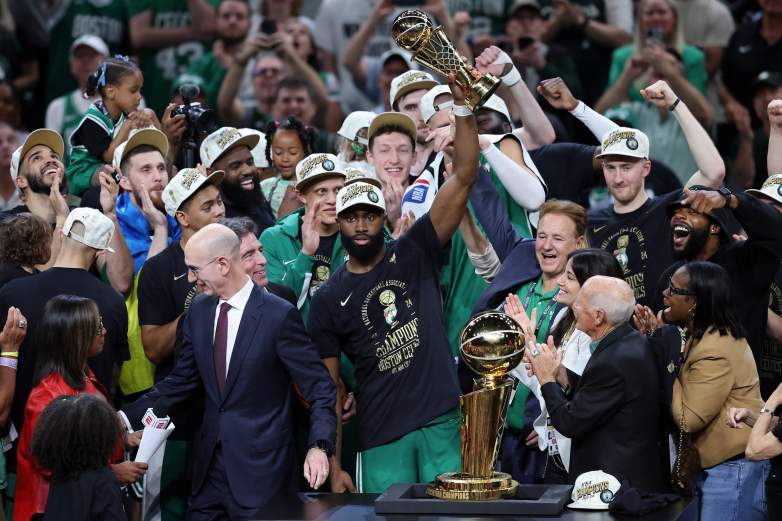
That aura was put to the test when Stevens made a blockbuster move this week: trading Jaylen Brown. The deal, which sent Brown away in exchange for Paul George, multiple future draft picks, and other considerations, sent shockwaves through the fanbase and the league. The return package—age-66-66 star Paul George, who has dealt with injuries and is entering the later stages of his career, along with two first-round picks and two second-rounders—raised immediate questions about value and strategy. Reports indicated ownership had not mandated Brown’s trade, and Brown had not demanded a trade, underscoring that this decision came from Stevens rather than external pressure. The move unsettled many who trusted Stevens’ judgment.
Reaction from former players and analysts was swift and strong. Kendrick Perkins spoken publicly on ESPN characterized the trade as among the most perplexing in NBA history, suggesting Stevens had effectively been celebrated for his handling of talent, only to see him falter in the deal. Longtime Celtics observer Dan Shaughnessy, who chronicled the franchise’s history, noted that Boston has historically preferred to acquire stars rather than part with them, calling the Brown trade seismic and signaling potential fan backlash. Others weighed in on social media, with some expressing skepticism about trading a player who had been an MVP candidate the prior season and a Finals MVP the year Boston clinched the championship in 2024.
The criticism centers on the perspective that Brown’s value was not matched by the return. Analysts and insiders questioned whether the Celtics might now struggle to reach high-stakes outcomes in the near term, especially if expectations for improvement rely heavily on a different squad construction. Observers noted the Celtics’ moves to adjust the roster, including signing Mike Conley to bolster the backup point guard position and pursuing Mitchell Robinson to reinforce the frontcourt. Whether these additions will offset the perceived loss remains to be seen, but they signal Stevens’ intent to retool rather than retreat.
As the team navigates this transition, fans will be watching closely to see how Stevens defends the strategic rationale behind the Brown trade and whether the newly constructed rotation can deliver sustained success. The coming season will test whether the Celtics can maintain competitiveness and relevance at the highest level without Brown, while also evaluating the long-term impact of the new core pieces and draft assets.
In summary, Stevens’ decision to trade Jaylen Brown marks a pivotal moment in his tenure with the Celtics. The move has sparked debate about the balance between proven star talent and future assets, and it will define how Stevens is perceived as a front-office architect moving forward. The basketball world will be watching to see if this gamble pays off through a combination of improved depth, smart acquisitions, and continued championship contention.