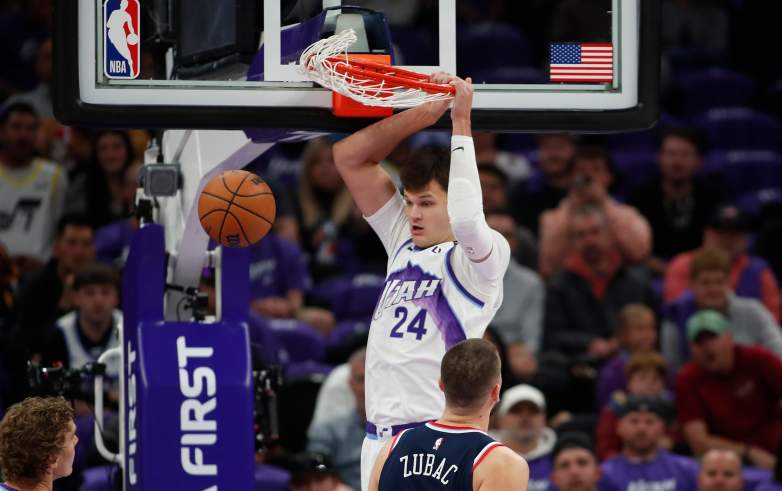
Jaylen Brown, who spent ten seasons with the Celtics, has been a cornerstone of the franchise since entering the league. Over his tenure in Boston, he developed from a promising young guard into a versatile star, contributing as a scorer, defender, and playmaker. Brown’s departure leaves a significant void in the Celtics’ lineup, prompting questions about how the team will reflow its depth, leadership, and on-court chemistry in the coming seasons.
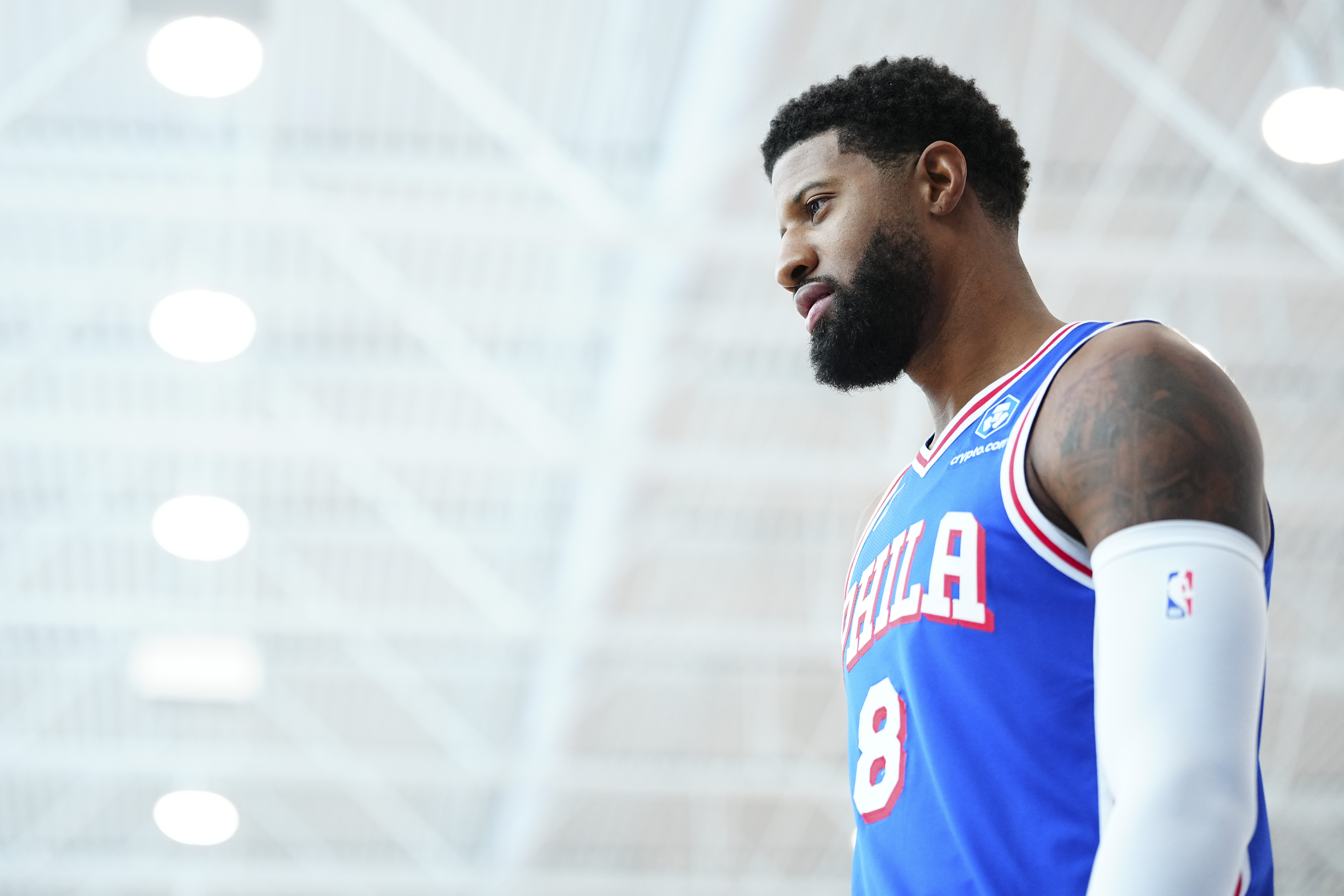
On the other side of the coin, the Philadelphia 76ers acquire a veteran presence with championship pedigree. Paul George, a former All-Star, brings a seasoned three-and-D skill set, playoff experience, and a proven ability to impact games on both ends of the floor. His addition elevates the 76ers’ wing options and creates new possibilities for lineups that can stretch the floor while maintaining defensive versatility. The pairing of George with a core group that already includes budding stars gives Philadelphia a compelling mix of experience and upside.
The terms—George plus multiple draft selections for Brown—underscore the high-stakes nature of modern NBA trades, where teams seek to balance immediate impact with long-term assets. Draft capital can empower a franchise to pursue future stars, facilitate salary-match strategies, or enable bold midseason moves. For Boston, reallocating assets around a core that has already delivered deep playoff runs signals a shift toward rebuilding flexibility and the pursuit of a different strategic path. For Philadelphia, the move signals a commitment to contending more aggressively by surrounding established veterans with young talent to maximize the team’s peak performance window.
Reaction to the trade varied widely among fans and analysts. Some praised the Celtics for adding a marquee player in Paul George and shipping out Brown’s long-time familiarity with the organization in exchange for proven playoff pedigree. Others worried about the loss of Brown’s versatility, leadership, and two-way impact, particularly during tight postseason series. Conversely, supporters of the Sixers argued that George’s experience and shooting, coupled with a refreshed supporting cast, could unlock a new era of competitiveness for a franchise hungry for championship contention.
Beyond the personnel move itself, the trade also stirred social media conversations and quick on-court reactions. Players and coaches from both organizations weighed in with their take, and fans quickly assessed how the new rosters would gel in the next season. Early indicators suggested that both teams would lean on a mix of veteran leadership and young talent to establish rhythm during training camp and the opening stretch of the season.
In the wake of the deal, Brown shared a public message expressing his excitement about joining Philadelphia and embracing a fresh start. His social media post carried a tone of renewal and anticipation, signaling readiness to contribute in his new environment. The response from the broader basketball community highlighted respect for his accomplishments and curiosity about how he would integrate with the 76ers’ system and teammates.
Looking ahead, the trade sets the stage for an intriguing season in the Eastern Conference. The Celtics will aim to optimize their roster balance, leveraging draft capital to pursue additional impact players or to bolster bench depth. The 76ers will focus on integrating George into a cohesive unit that features playmakers, shooters, and a commitment to defense. Both teams will need to navigate the inevitable challenges of calendar congestion, injuries, and the chemistry that comes with significant personnel changes.
For fans and analysts, the key questions will center on fit and continuity. How will Paul George adapt to new teammates and schemes? Which young players will step up to fill the roles vacated by Brown, and how quickly will the new lineup gel? What does this mean for playoff seeding, rivalries, and potential postseason matchups in the coming years?
As the season approaches, teams will hold media days, organize voluntary workouts, and begin implementing new strategies to maximize the potential of the assembled rosters. The trade demonstrates, once again, how the NBA flow of players and picks can redefine expectations for both teams involved. It is a bold move with implications that will unfold over the next several months and shape the competitive landscape of the league.