The turning point came during Davis’s adolescence, when his height surged from 6 feet 3 inches to 6 feet 10 inches in a span of just three months before his junior year of high school. In a single summer, he transformed from a guard with guard-sized skills to a potential centerpiece of any basketball roster. This dramatic change could have overwhelmed him, but it also opened doors that had previously seemed closed.
Initially, Davis tried out for local basketball and believed he could compete at a high level. A Nike representative approached his father with an invitation for him to join an AAU team. His father urged him to give it a shot, and Davis agreed to participate. The experience, however, was jarring. The players on the AAU team were faster, jumped higher, and displayed advanced strength and skill. Davis felt outmatched, and in a moment of doubt he told himself and his father that he might quit basketball altogether.
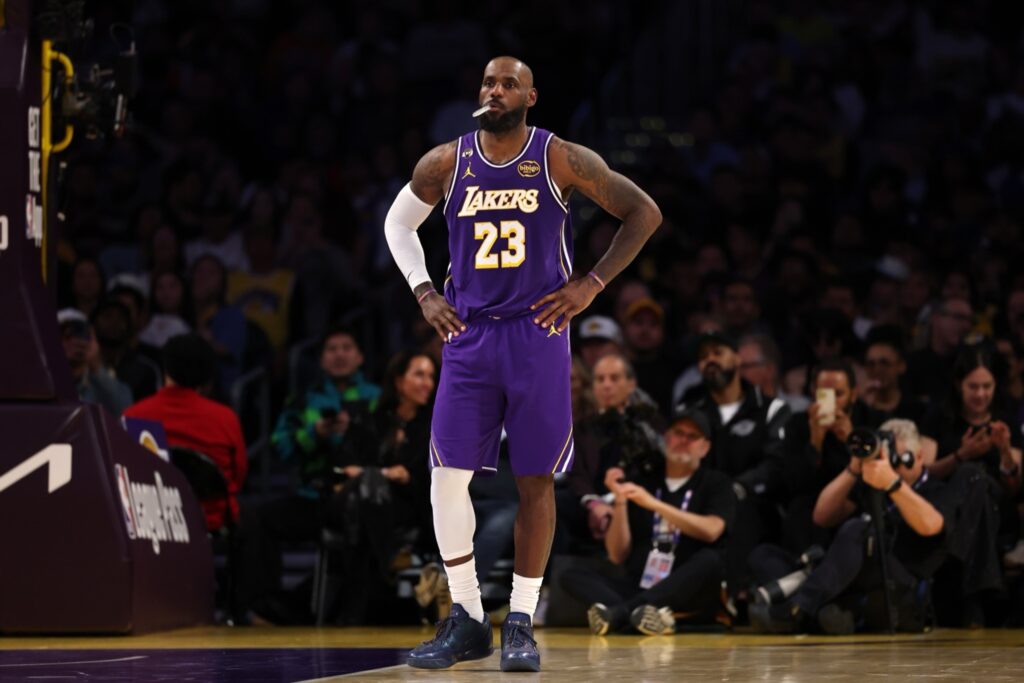
Yet the first tournament proved to be a catalyst rather than a collapse. The very first game was against a team led by LeBron James, a matchup Davis could hardly have anticipated. At 17 years old, he entered the game with excitement and doubt coexisting in his mind. In the opening minutes, he rolled his ankle badly, limiting him to six minutes of action for the entire tournament. He finished with six points, six rebounds, and three blocks, a modest stat line that seemed to confirm his initial fears. But that limited participation did not define his potential. Instead, it underscored the reality that improvement often comes in stages and that early adversity can fuel future growth.
What followed was a revelation: a unique blend of guard skills and enormous size. Even after growing seven inches, Davis retained ball-handling abilities and perimeter instincts that many players his height never develop. His performance with the travel team MeanStreets showcased this rare combination, helping him emerge as the top prospect in the 2011 recruiting class. The fusion of guard instincts with a dominant 6’10” frame allowed Davis to stand out on the national stage and attracted the attention of college programs eager to harness his versatility.
Davis chose the University of Kentucky, where he spent a standout season under coach John Calipari. He posted impressive numbers, averaging 14.2 points, 10.4 rebounds, and an NCAA-best 4.7 blocks per game while shooting an efficient 62.3% from the field. His performance helped Kentucky secure the 2012 NCAA championship. The season earned him multiple honors, including National Player of the Year, Freshman of the Year, and Final Four Most Outstanding Player. These accolades solidified his status as the No. 1 pick in the 2012 NBA Draft.
In the professional ranks, Davis’s career trajectory continued to ascend. He became an NBA champion and a frequent All-Star, earning appearances in the All-Star game more than ten times. He was recognized with three selections to the All-NBA First Team and led the league in blocks on three occasions. His impact extended beyond individual awards: he earned a place on the NBA’s 75th Anniversary Team, a recognition that highlighted his role in the league’s modern era. Over his career, Davis has maintained impressive averages, including around 24.0 points per game, 10.7 rebounds per contest, and 2.3 blocks per game, underscoring his two-way impact on both ends of the floor.
When looking back at his remarkable journey, the near-miss of quitting basketball stands out as a dramatic fork in the road. The growth spurt opened possibilities, but it was the guidance of his father and his own grit that anchored him in the sport. Davis’s early doubts, followed by a decisive push to audition for that first AAU tournament, became the catalyst for a career that would place him among the N.B.A.’s most influential big men of his generation.
Key takeaways from Anthony Davis’s story include:
– Rapid physical development can dramatically alter athletic potential, but skill development and adaptability are essential to capitalize on that growth.
– Family support and encouragement can provide the push needed to pursue opportunities that initially seem intimidating.
– Early exposure to high-level competition—even if it ends awkwardly—can serve as a valuable learning experience that unlocks long-term success.
– Versatility matters: Davis’s guard-like ball-handling and perimeter instincts, combined with elite size, created a rare skill set that translated to success at the college level and beyond.
– Persistence pays off: despite a rocky start, the combination of talent, opportunity, and hard work propelled him to the pinnacle of the sport.
Anthony Davis’s road from a late growth spurt to NBA stardom illustrates how resilience and support systems can transform a young athlete’s potential into a lasting impact on professional basketball. His journey remains a powerful testament to embracing change, maximizing new opportunities, and continuing to push beyond perceived limits.