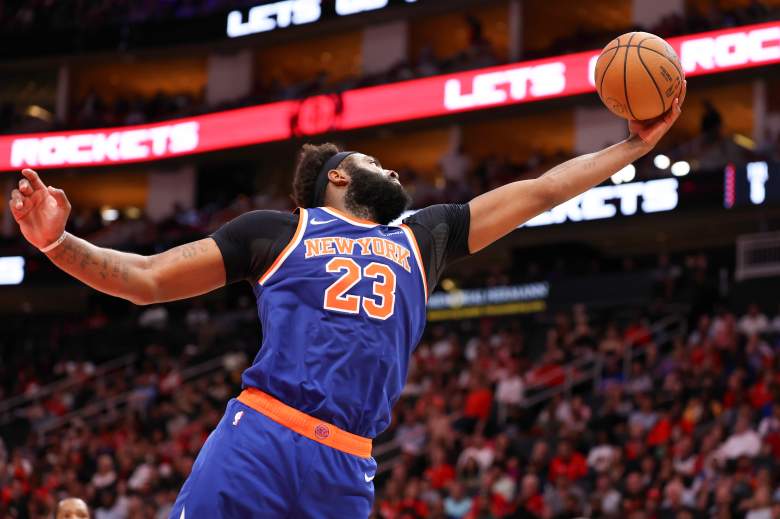
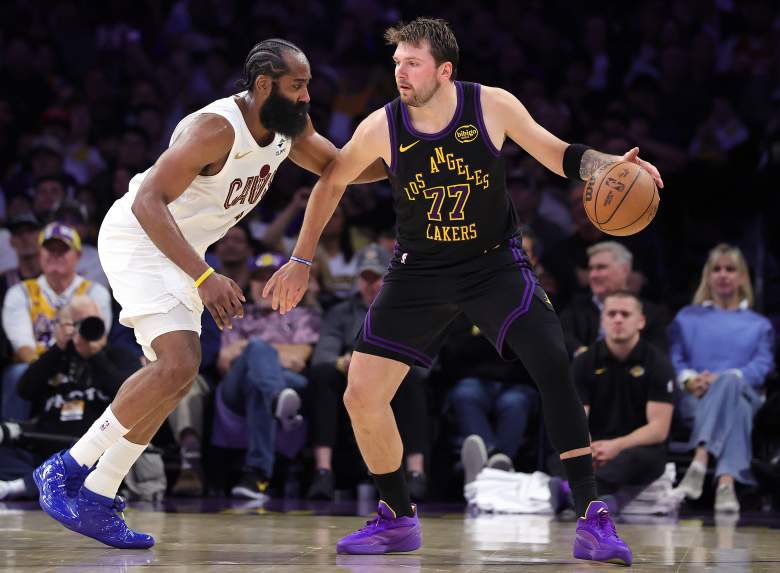
The plan, as reported by Shams Charania, is for Collins to step into the starting role at the four. Detroit pursued him as their top target to anchor the frontcourt, finalizing the agreement with Collins’ representatives, Sean Kennedy and Jeff Schwartz of Excel Sports Management, in the early days of free agency.
Projected lineup considerations for next season
With Collins joining the mix, Detroit’s starting five could look like this:
– Point guard: Cade Cunningham
– Shooting guard: Isaiah Joe
– Small forward: Ausar Thompson
– Power forward: John Collins
– Center: Jalen Duren (restricted free agent) or Paul Reed
Impact and roster implications
The addition of Collins has meaningful implications for the roster. Notably, Tobias Harris is unlikely to return to Detroit, opening more opportunities on the wing and frontcourt. As for Duren, he enjoyed a career-best season, averaging 19.5 points and 10.5 rebounds per game, which keeps him squarely in the Pistons’ long-term plans. Duren is drawing interest from other teams, with discussions reportedly including the Los Angeles Lakers and Sacramento Kings. If Detroit chooses not to match a maximum-salary offer from another team, Duren could depart, which would significantly reshape the Pistons’ frontcourt plan.
Despite the interest in Duren from other franchises, Detroit holds exclusive rights to match any offer sheet he signs. That leverage means the Pistons can determine whether to retain him by matching a rival offer, preserving a core piece of their interior defense and rebounding presence.
Center options and frontline depth
If Duren remains in Detroit, the Pistons would keep a dynamic, athletic center who can contribute both scoring and emphatic rim protection. If not, Paul Reed could step in as the primary center sooner than later. Reed has shown the ability to fill multiple roles and provide versatility in lineups that feature Collins and other guards and forwards.
Scoring and shooting profile
John Collins has demonstrated the ability to contribute scoring from multiple levels. Last season, he surpassed the 13-point mark on a consistent basis and has shown the potential for higher production, including a notable 19-point outing during the 2025-26 season with Utah. Additionally, Collins brings improved shooting from beyond the arc, delivering over 40 percent from three-point range, which should help space the floor for Detroit’s guards and wings.
Other roster moves
Isaiah Joe, a recent acquisition via trade from Oklahoma City, will provide perimeter shooting and depth at the wing. His presence should help balance the starting lineup, allowing the team to stagger Collins’ and Ausar Thompson’s minutes while maintaining offensive spacing when Cunningham or Joe are on the floor.
Outlook
Detroit’s strategic move to sign Collins signals a commitment to building a competitive, versatile frontcourt capable of competing for postseason positioning. The combination of Collins’ scoring versatility, Duren’s potential ceiling (if retained), and the emerging talents at guard and wing positions could form a balanced, modern lineup. The Pistons will need to manage salary-cap considerations and ownership of Duren’s restricted status as they finalize plans for the core around which they intend to build.
Overall, the Pistons’ offseason focus appears to be on integrating Collins as a cornerstone piece while evaluating the center position and the long-term status of Duren. If Detroit can preserve a cohesive core and continue to add depth through smart acquisitions, the team could push for steady improvement in the upcoming seasons.