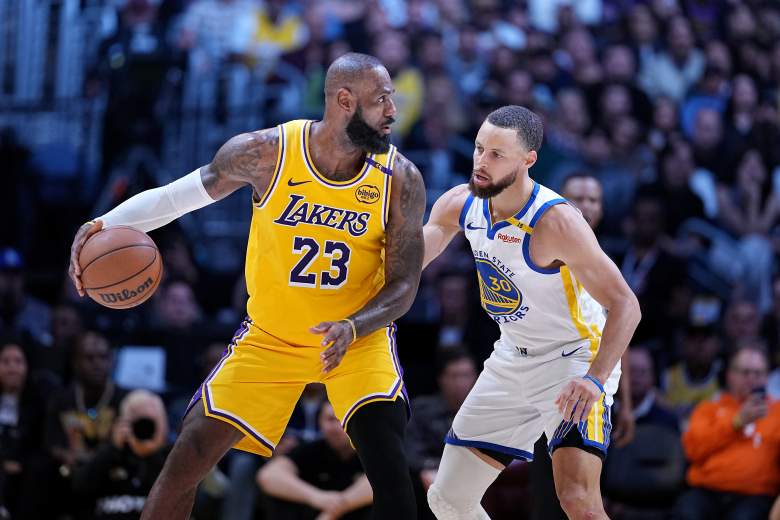
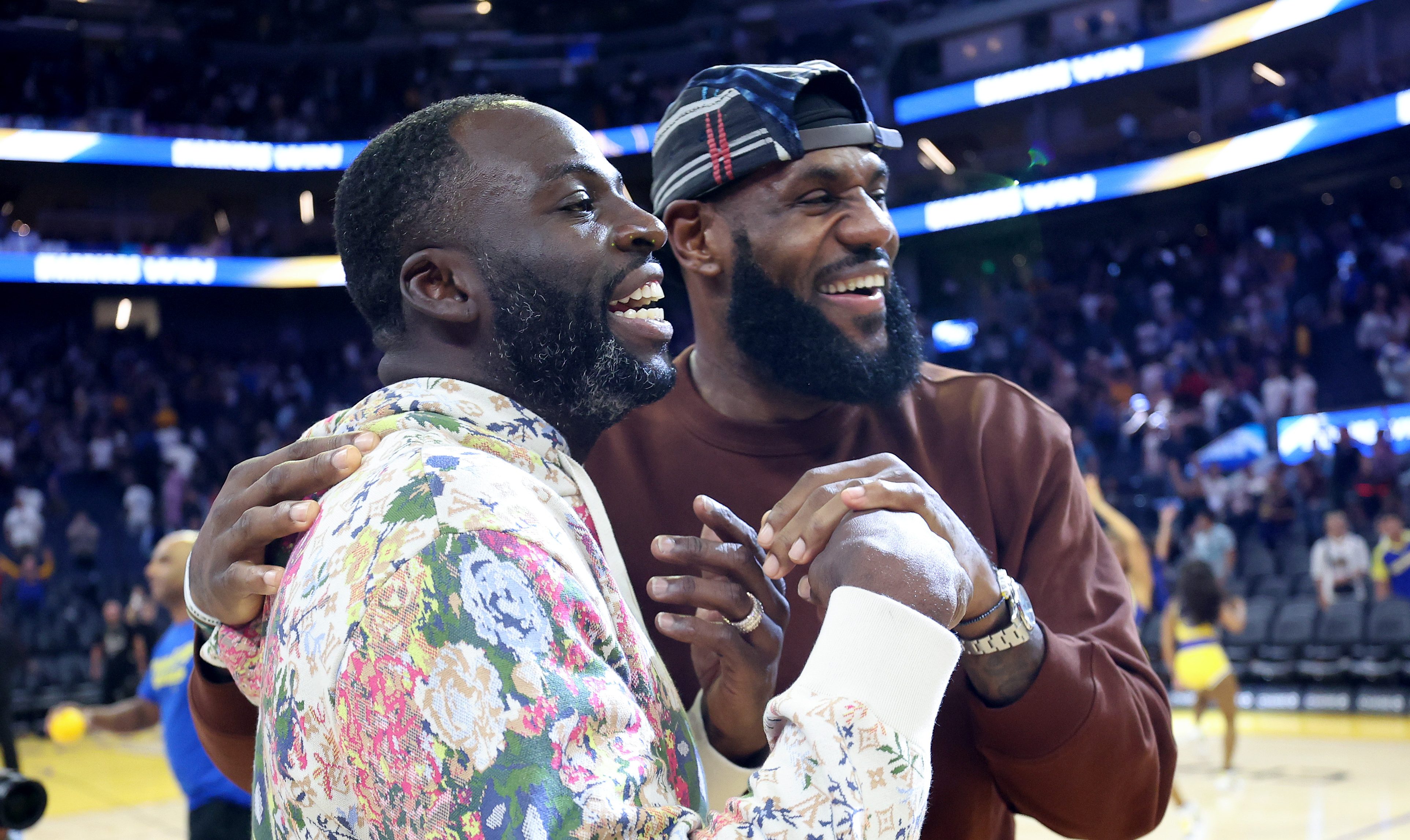
Timberwolves’ outreach highlights James’s continued desirability, even as he enters his 24th NBA season. Minnesota’s approach was swift once his Lakers departure became official, with the organization acknowledging the necessity to explore all avenues. Yet discussions within the league and with Minnesota insiders suggest the team does not view itself as a top destination in the LeBron race. Financial feasibility remains a central hurdle, as the club would need to navigate salary-cap realities to create a viable pathway to pairing James with its young core.
One potential means of creating space would involve moving an expiring contract, such as Josh Green’s $14.7 million deal, to give the Timberwolves added flexibility. Green’s upside remains an appealing element for Minnesota, and at this stage, no substantive trade talks have materialized, according to insiders. The mere fact that Minnesota showed interest underscores just how sought-after James remains, even as he nears the end of a remarkable career.
For the Miami Heat, the emergence of another competitor does not dampen the intrigue surrounding a possible reunion. Miami has long been viewed as a serious destination for James, largely due to its championship pedigree, established culture, and the potential to complement a roster featuring veteran leadership and a championship-tested mindset. A reunion would pair James with Bam Adebayo, and could potentially align him with other high-impact players, including the franchise’s recent acquisitions and a supporting cast capable of contending immediately.
Interest in James connects with several narratives about the Heat’s current roster construction and the broader organizational strategy. Reuniting with a player who helped deliver back-to-back NBA championships in 2012 and 2013 would be a storyline with immediate resonance, both for the on-court impact and the clubhouse leadership it could provide. James’s presence would also raise questions about how the Heat would balance minutes, rotations, and veteran load management with a younger, rising core. The potential synergy with Adebayo and any other future additions would be a key topic for Miami’s front office as they weigh the financial and competitive implications of a possible signing.
Beyond the Heat and Timberwolves, other prominent franchises have consistently been linked to James. The Golden State Warriors and the Cleveland Cavaliers remain central to the broader narrative around his next destination. The Warriors, in particular, have been mentioned as betting favorites in some circles, given their track record of attracting star players and the strategic appeals of playing alongside a dynamic backcourt and a proven championship culture. Cleveland, meanwhile, has been mentioned in various speculative scenarios about a homecoming, especially with a roster that could plausibly integrate James into a complementary role with other elite talents.
If Minnesota were to secure an agreement, the roster would need to adapt quickly to integrate James into a frontcourt that has recently seen significant changes. The team’s capacity to compete at the highest level would hinge on maintaining spacing, ensuring ball movement, and leveraging James’s playmaking and experience in crucial late-game situations. For the Heat, any potential addition would require careful budgeting and roster optimization to preserve depth and defensive integrity while maximizing James’s impact on offense and leadership.
The landscape surrounding LeBron James’s next chapter remains highly dynamic. While the Heat’s pursuit is a central thread, the arrival of Minnesota as a legitimate contender adds a new layer of intrigue to a saga that has dominated NBA headlines. Teams will need to navigate not only salary-cap realities but also the intangible factors that influence a veteran superstar’s decision, including team culture, role clarity, championship aspirations, and the opportunity to influence a current, winning environment.
As the offseason progresses, fans and analysts will watch closely how each party negotiates the balance between competitive urgency and financial feasibility. The LeBron James decision will undoubtedly reshape expectations across the league, influencing not only potential destinations but also how teams assemble rosters around a player whose impact transcends conventional metrics. The competition surrounding James’s services underscores his enduring appeal and the continued relevance of veteran leadership in today’s NBA.