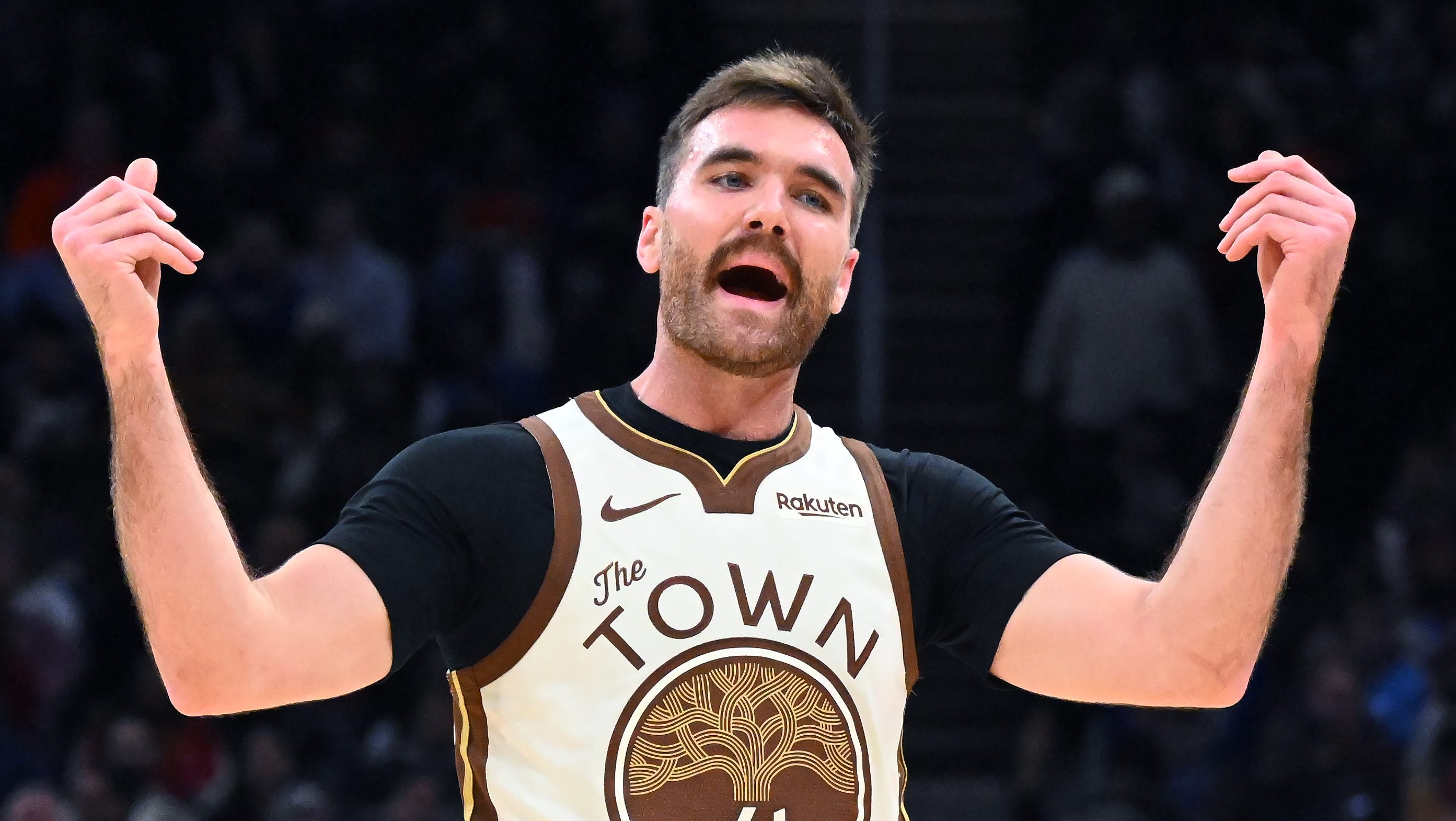
Dieng’s new deal runs through the 2028-29 season and is worth $17.5 million in total, with an annual average of $5.83 million. The contract solidifies Dieng’s role as a building block in a Bucks lineup that is transitioning away from its previous star-centered approach toward a roster built around versatile young players and improved depth.
Behind the scenes, Dieng entered Milwaukee’s rotation after a February trade from the Oklahoma City Thunder in a complex three-team deal. That midseason move sent guards Cole Anthony and Amir Coffey to the Phoenix Suns and center Nick Richards to the Chicago Bulls. In Milwaukee, Dieng’s usage surged as he appeared in 30 games, including 20 starts, and produced career-best averages of 11.0 points, 4.6 rebounds, and 3.6 assists per game. He shot 42.3% from the field, 33.1% from three-point range, and 66.7% at the free-throw line during that stint.
Milwaukee’s decision to extend Dieng signals a commitment to integrating him into a forward group that has been reshaped by offseason moves. The Bucks now feature a versatile forward rotation that includes Jaime Jaquez Jr., Kyle Kuzma, and the 13th pick in the 2026 NBA Draft, Nate Ament. Dieng’s role is expected to be significant as the team builds around its younger talents and attempts to recapture playoff momentum in a reorganized conference landscape.
The changes extend beyond Dieng’s contract. The 2026 draft brought in several new faces intended to contribute to the Bucks’ long-term plan. In addition to selecting Braden Burries with the No. 10 pick, Milwaukee acquired a mix of veterans and young prospects through trades and selections. Braden Burries, a 6-foot-4 guard known for his two-way capabilities, is viewed as a potential integral piece in Milwaukee’s backcourt who can contribute on both ends of the floor, particularly as a solid shooter who can operate off the ball. The overall drafting strategy emphasizes balance between development potential and immediate impact, aiming to create a competitive, sustainable roster.
Ament, a 6-foot-10 forward whose blend of scoring ability and versatility has drawn attention, is viewed as a player with developmental upside. His skill set includes finishing with both hands, plus the ability to score from multiple levels on the floor. The Bucks’ draft activity reflects a broader plan to cultivate young talent while maintaining a competitive edge as the organization retools around a new era of players.
In reviewing Milwaukee’s offseason moves, it’s clear the franchise is prioritizing growth from within and leveraging draft capital to acquire promising prospects. The team’s strategy centers on building a cohesive, multi-faceted rotation rather than relying on a single superstar to drive success. This approach aligns with a broader trend across the league, where teams increasingly emphasize depth, defense, and multiple capable scorers to compete at the highest level.
As the season approaches, all eyes will be on how Dieng and the newer contributors adapt to a Bucks roster that looks noticeably different from the previous year. The organization’s willingness to commit to a longer-term plan suggests a calculated effort to develop young talent while remaining competitive in a challenging conference. If the new core can realize its potential, Milwaukee could emerge as a formidable contender once again, built on a foundation of versatile wings, smart role players, and evolving young stars who are ready to take on greater responsibility.
In summary, the Bucks’ offseason moves—most notably Dieng’s three-year, $17.5 million contract—underscore a clear strategy: invest in young talent, diversify the forward rotation, and build a team capable of competing as the franchise writes a fresh chapter in its basketball history. The season ahead promises to reveal whether this new blueprint can deliver sustained success and playoff contention for Milwaukee.