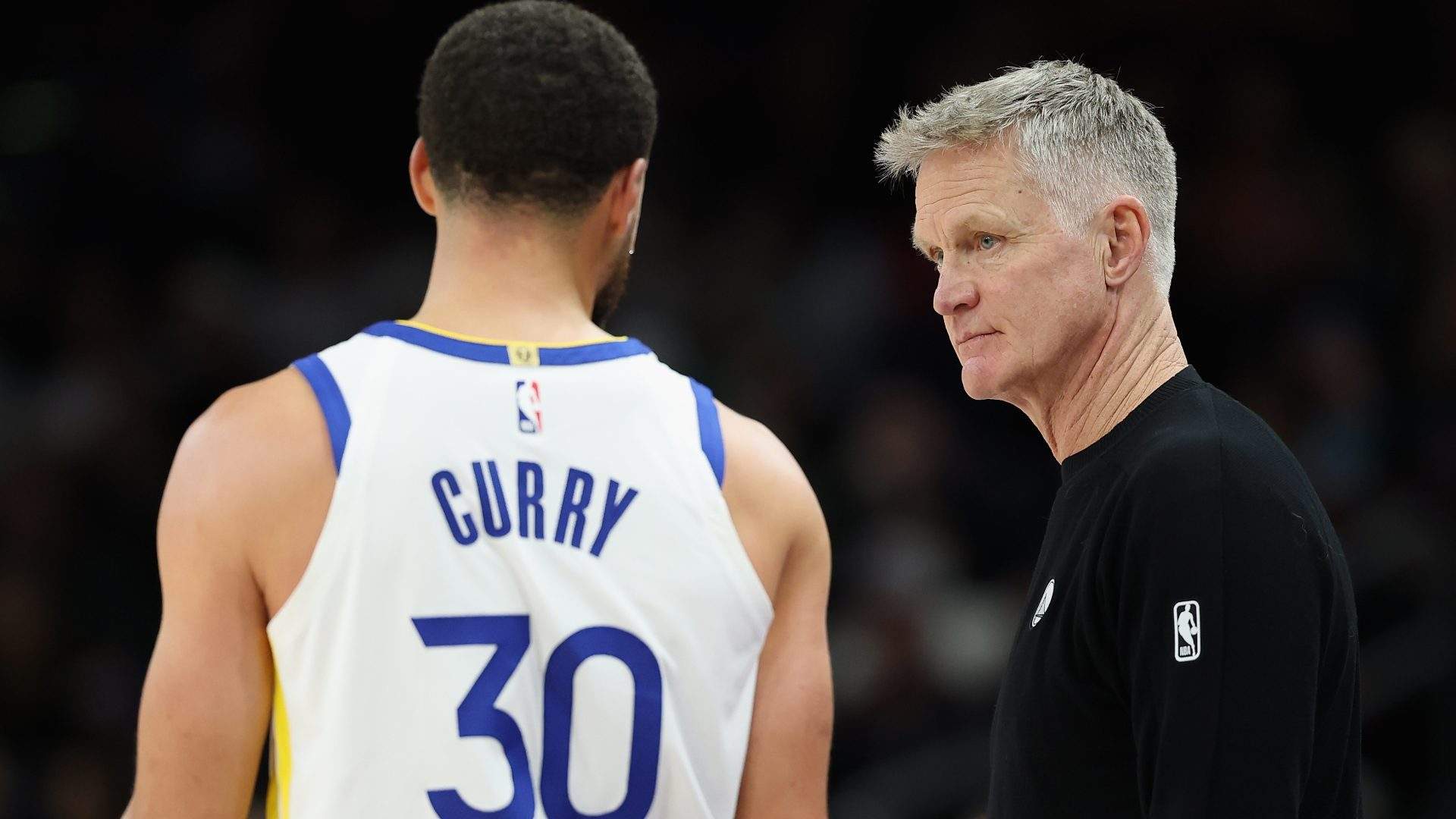
Quinten Post and the Warriors’ tender offer
Following the season, the Warriors tendered a qualifying offer to Quinten Post. In practical terms, this means the team extended a one-year contract to Post, who would enter the offseason as a restricted free agent. As a restricted free agent, Post could sign with any other NBA team, but Golden State would have the right to match any outside offer to retain him.
Post has served as a valuable depth piece for Golden State, providing reliable interior presence off the bench. In the most recent season, he averaged solid counting stats across 67 appearances, contributing meaningful minutes when called upon. He started a notable portion of those games due to injuries in the frontcourt, including Al Horford’s, which opened opportunities for Post to showcase his skills in meaningful minutes.
The broader context of the Warriors’ frontcourt plans
The Warriors’ frontcourt picture is evolving. Even as speculative reports link the franchise to established stars, the team continues to evaluate internal options and identify players who can fit their system and culture. Post’s development path is part of this broader evaluation, as Golden State weighs how to balance continuity with the emergence of younger talent.
In addition to retaining Post via the qualifying offer, the Warriors reportedly extended qualifying offers to other players who are not currently on their roster but have previously spent time with the organization or its leadership. These moves aim to preserve rights in the NBA market while exploring potential returns or future opportunities, a common strategy for teams looking to maximize flexibility during free agency.
Other players connected to the Warriors in rumors
Beyond Quinten Post, the Warriors have been connected with several players who could influence their ceiling next season. Reports have mentioned Collin Sexton and Anfernee Simons as potential targets, both of whom finished last season with other franchises and are unrestricted free agents. The profile of these players—high-scoring guards who can provide instant offense off the bench or as complementary pieces alongside a star player—aligns with the Warriors’ desire to bolster bench scoring and provide relief for Stephen Curry during stretches when Curry rests or operates off the ball.
Industry insight has suggested that the Warriors’ interest in adding another guard stems from a strategic objective: to create a reliable scoring punch off the bench and to offer Curry greater off-ball opportunities. A guard of this ilk could help sustain offensive momentum when Curry is not on the floor, while also providing versatility in different lineups.
Other potential targets and contractual developments
The Warriors are also reportedly considering other frontcourt options, including players who can stretch the floor or provide offensive versatility alongside a veteran core. At the same time, negotiations on existing contracts remain a priority. For instance, Horford’s re-signing to a two-year deal reflects the team’s commitment to reinforcing frontcourt depth with experienced contributors who can still impact the game on both ends of the floor. Porzingis’ negotiations indicate further strategic flexibility in how the team approaches its rotation, balancing youth with established talent.
The evaluation process for role players and rotation pieces remains dynamic. Free agency will reveal how aggressively the Warriors pursue any external additions, how much cap space they allocate, and how they optimize the mix of veterans and younger players. The goal is clear: maintain a championship-caliber roster around Curry while ensuring the team has enough depth to sustain a deep playoff run.
What this means for Quinten Post
For Post, receiving a qualifying offer signals that the organization sees him as a useful piece who could contribute to the rotation in the near term. If he signs the offer, he would return under a one-year deal with salary terms determined by the market, while Golden State would retain the right to match any outside offer if he signs elsewhere. The outcome will depend on how the market values Post and whether the Warriors choose to preserve their rights in the event a favorable chance arises to bring him back at a reasonable cost.
In the bigger picture, the Warriors’ approach to Post—alongside ongoing dialogue about other rotation players—illustrates a measured path: reward proven contributors, cultivate internal development, and maintain optionality in a shifting cap landscape. With Curry’s ongoing excellence and the franchise’s championship aspirations, the front office is likely to prioritize a balanced mix of seasoned talents and promising young players who can grow within the system.
Fans and observers should stay tuned as free agency unfolds. The Warriors’ decisions in the coming weeks will shape the team’s competitiveness for the upcoming season and determine how their roster aligns with the evolving dynamics of the league. As always, Golden State’s objective remains clear: assemble a roster capable of contending for titles while continuing to cultivate a culture of versatility, resilience, and teamwork.