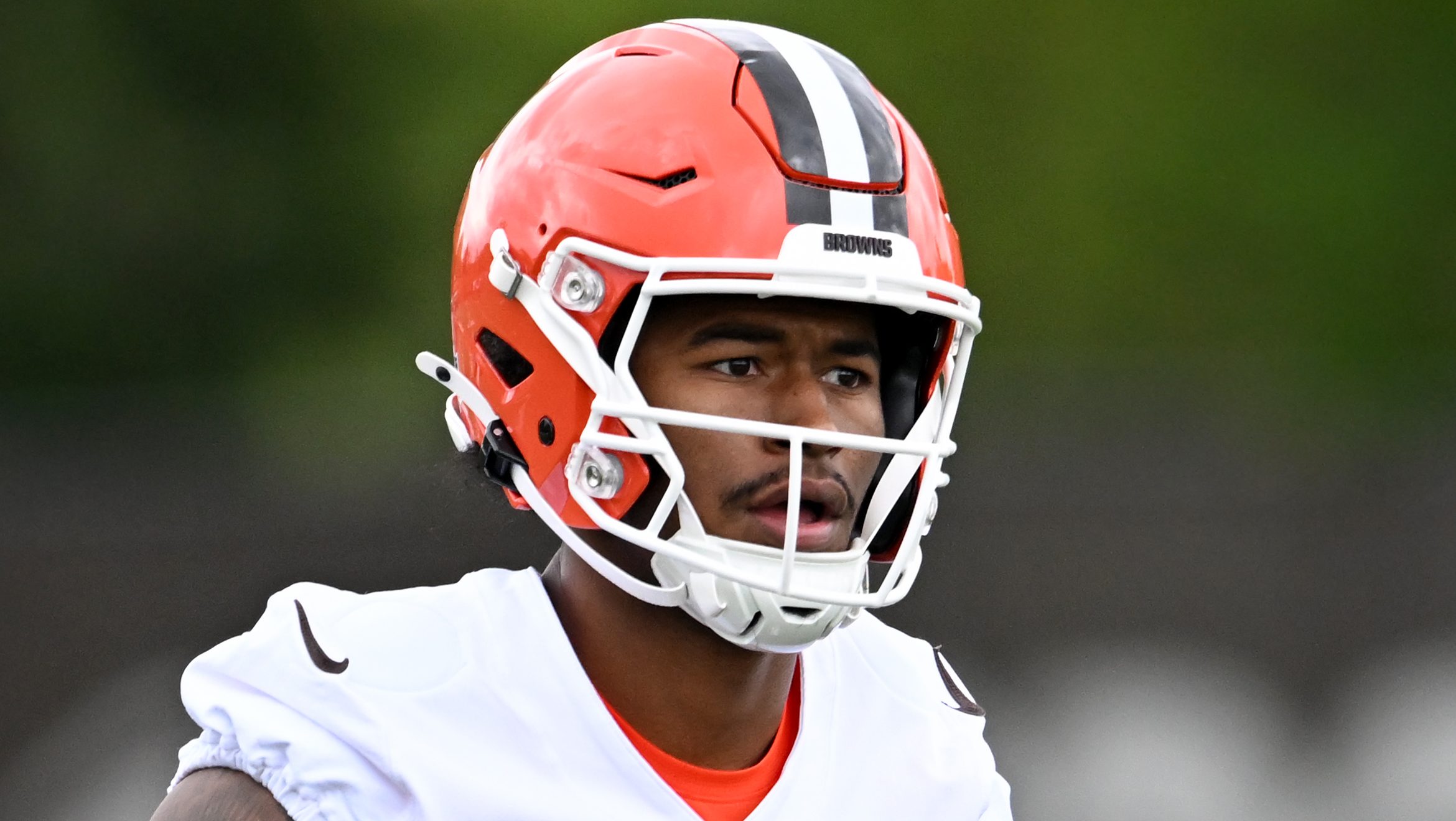
One lingering question about Price coming out of college was his pass-catching efficiency. He finished his college career with just 15 receptions, prompting questions about his viability as a three-down back in the NFL. Through spring practices, though, Price has demonstrated improved receiving skills, presenting himself as a credible option out of the backfield. This development is particularly valuable in a modern NFL offense that frequently uses running backs as playmakers in the passing game. If Price can establish himself as a trusted safety valve and check-down target, Seattle gains a complementary weapon that can relieve stress on the passing game and keep defenses honest.
The Seahawks have made it clear that Price isn’t being drafted with the expectation that he’ll immediately take over as a feature back. Instead, he’s expected to contribute in a versatile role, sharing carries with other backs as Seattle navigates a stacked depth chart. The team’s backfield mix includes several players capable of providing a spark, which underscores the importance of Price’s ability to contribute on all downs. A back who can handle pass protection, stay in routes, and catch the ball out of the backfield would be a valuable asset for an offense looking to diversify its looks.
Seattle’s offense is undergoing a noticeable evolution under the new coaching staff. Offensive coordinator Brian Fleury, who spent several seasons with a system that frequently utilized running backs as receivers, is expected to expand the backfield’s role in the passing game. Fleury’s background with a run-heavy but versatile scheme suggests that Price could be integrated into a multi-dimensional approach that keeps defenses off balance. Early signs point to a more dynamic use of backs in the passing game, which would benefit Price as he grows more comfortable in that role.
The immediate challenge for Seattle remains the backfield depth. Kenneth Walker III’s departure left a production gap that Price is being asked to help fill. Zach Charbonnet, coming off a torn ACL, is recovering and may not be at full strength to start the season. That creates additional pressure on Price to accelerate his development and seize opportunities when they arise. Other options, including George Holani as an undrafted free agent, Emanuel Wilson, and other depth players, are in the mix. While Holani has shown promise during offseason practices, opinions vary on how quickly he—or any of the other depth pieces—will translate that potential into sustained on-field production.
Price’s versatility could prove decisive if he can establish himself as a reliable three-down contributor. Being able to pass protect, run routes, and be a dependable catcher would allow Seattle to deploy him in a variety of packages, creating mismatches for opposing defenses. A back who can be effective as a receiver adds a layer of flexibility to the offense, potentially reducing the pressure on the outside receivers and tight ends and enabling more diverse play-calling.
From an overall roster-building perspective, Price’s early impact could help stabilize Seattle’s offensive plan as the team evaluates its options behind the line of scrimmage. If he continues to show proficiency as a pass catcher, the Seahawks gain a valuable tool for third-down situations and red-zone plays, where dynamic backfield versatility can be a difference-maker. The combination of Price’s vision, quick burst, and ability to accelerate through gaps could translate into both traditional backfield runs and option-based plays, keeping defenses guessing and creating opportunities for big plays.
In the broader context, Price’s development reflects a trend across the league: teams are placing greater emphasis on backs who can contribute in multiple ways. A running back who can function effectively in the passing game reduces the need for specialized personnel and provides more play-calling options for the offense. For Seattle, the path forward involves cultivating Price’s all-around skill set while continuing to rely on a committee approach that leverages depth and familiarity with the system.
As the season approaches, the spotlight will increasingly shift to Price’s progression. If he can demonstrate consistent pass-catching reliability and stay on the field for various downs, Seattle’s offense could gain a new dimension that helps balance a dynamic receiving corps. The coaching staff’s confidence in Fleury’s system and the evolving backfield strategy suggests Price will have ample opportunities to showcase his developing versatility, potentially turning a valuable late-first-round pick into a foundational piece of Seattle’s offensive puzzle for years to come.
In summary, Jadarian Price enters his rookie year with a clear mandate: grow into a versatile back who can contribute on every down. Early indicators show he’s capable of handling the pass-catching component, complementing his natural running ability. If he continues to adapt, Price could become a key figure in Seattle’s offense, providing a flexible and productive threat that defenses must account for, while easing the workload on his veteran teammates and contributing to a more balanced, unpredictable attack.