Currently, the Phillies are one of three MLB teams that rely on NBC Sports for their regional sports network (RSN) distribution in 2026. The other two teams in this arrangement are the San Francisco Giants and the Oakland Athletics. The broader RSN model has faced significant distress as more viewers cut the cord, and the financial burden of carrying these channels continues to rise. This shift has prompted discussions across the league about how local rights will be managed in the future.
Looking ahead, the key issue to watch is how Major League Baseball intends to handle local broadcasting rights. Negotiations surrounding a new Collective Bargaining Agreement with the MLB Players Association are expected to influence the eventual distribution model. Reports and proposals suggest a possible move toward centralizing local rights, with revenue shared across the league in a manner similar to other major professional sports leagues. If such a framework is adopted, it could render the traditional RSN model obsolete for all 30 clubs, though the exact impact remains uncertain given ongoing economic and structural changes in baseball over the next few years.
From the Phillies’ perspective, a shift away from NBCUniversal would be a strategic consideration. The club currently holds a stake in its $2.5 billion TV rights deal with Comcast, and the timing of how long they will benefit from that arrangement is a factor in any strategic reallocation of media rights.
In the near term, the Phillies will remain on NBC Sports. However, the prospect of a different provider emerging in 2028 or later remains on the table, depending on how the landscape evolves. This introduces a period of potential uncertainty for a franchise that aims to compete for championships and has built substantial payroll capacity in recent seasons.
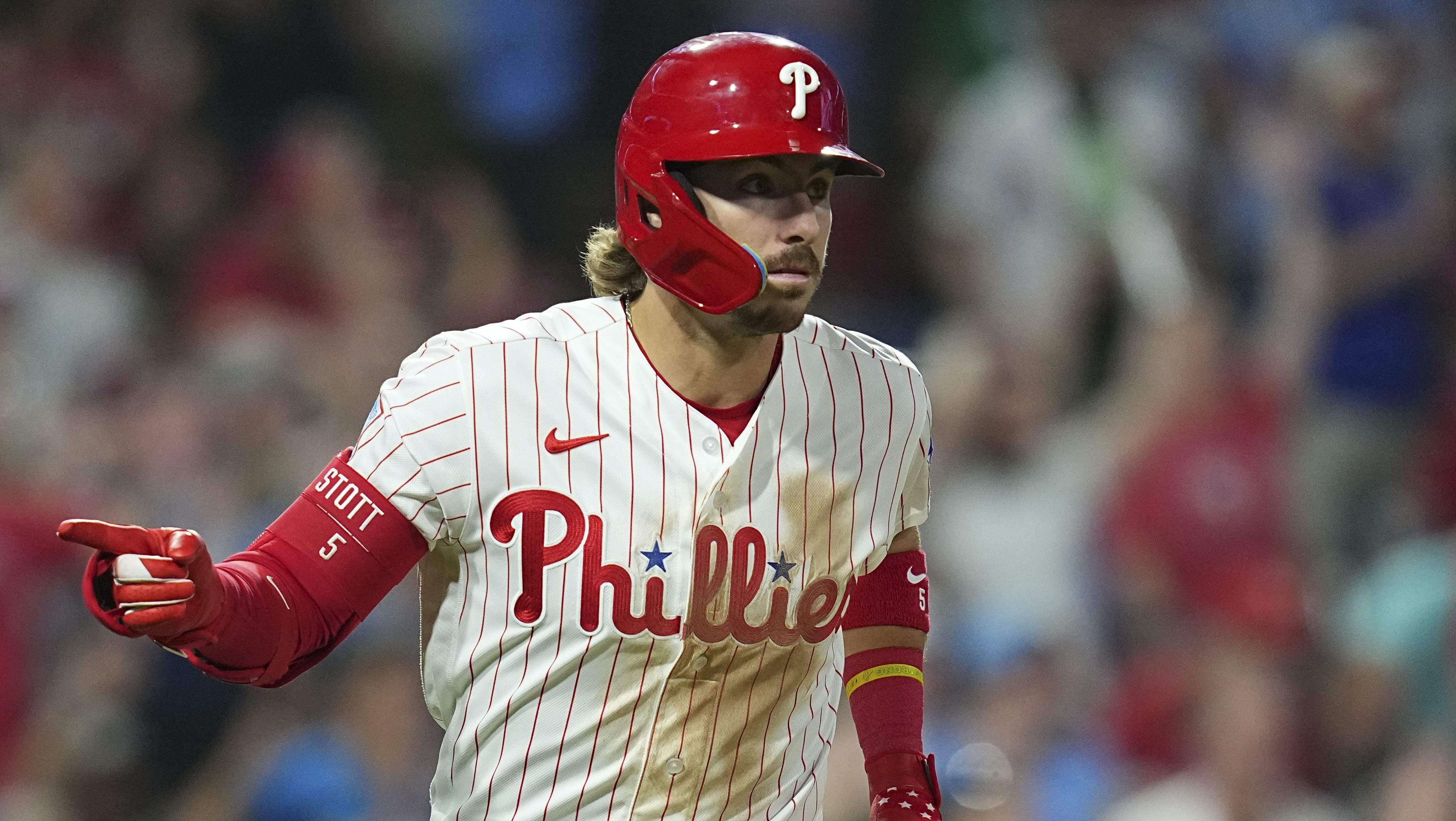
PHI has six players under contract through 2029: Cristopher Sánchez, Jesús Luzardo, Bryce Harper, Kyle Schwarber, Trea Turner, and Aaron Nola. The team’s willingness to invest in roster strength reflects its championship ambitions, even as media rights dynamics shift.
Overall, the Phillies’ exploratory steps illustrate how seriously clubs are taking the rapidly changing media environment in baseball. While immediate outcomes are unclear, the effort underscores a broader trend across MLB as teams seek to control and optimize how fans access live games in an era of evolving distribution models.