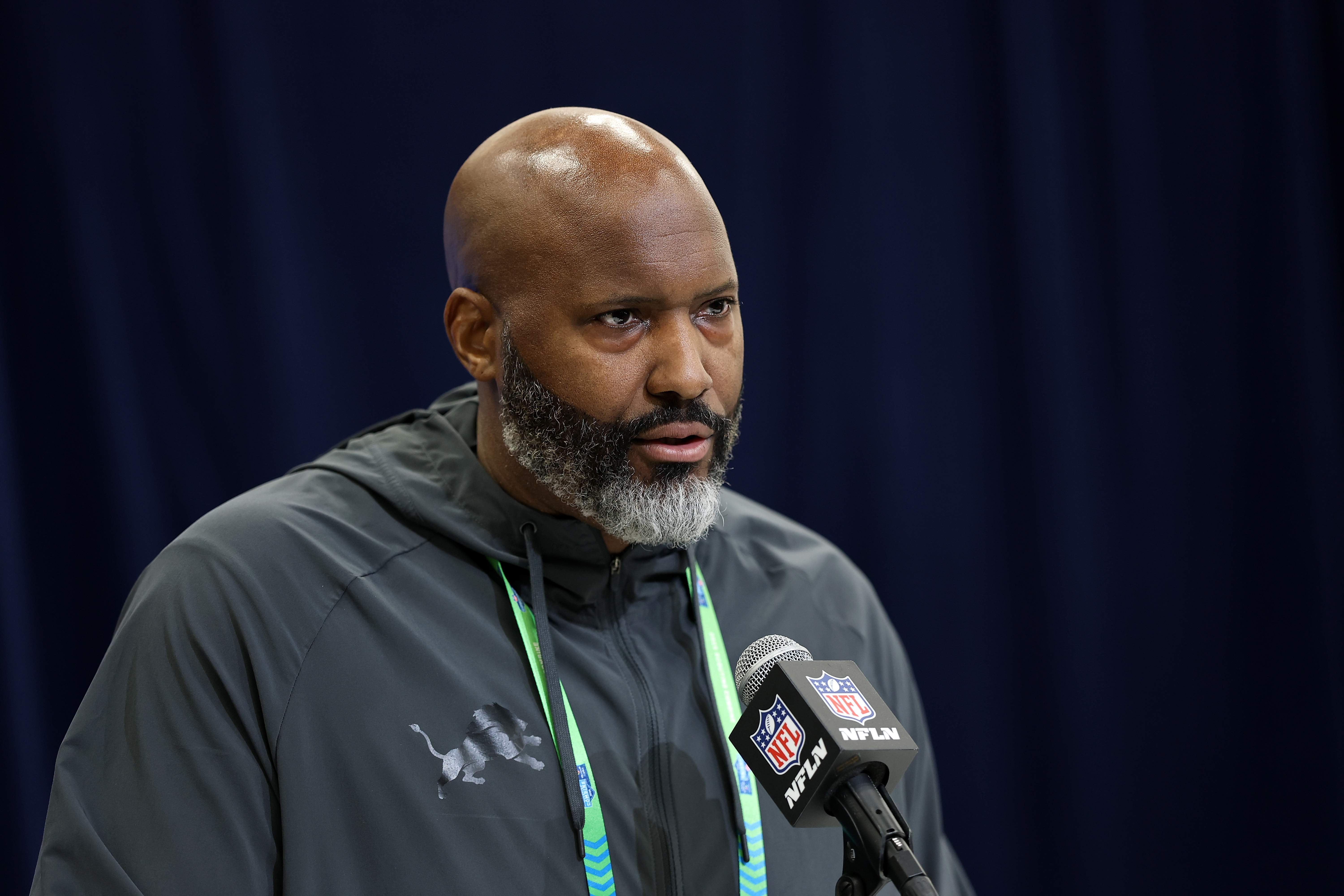
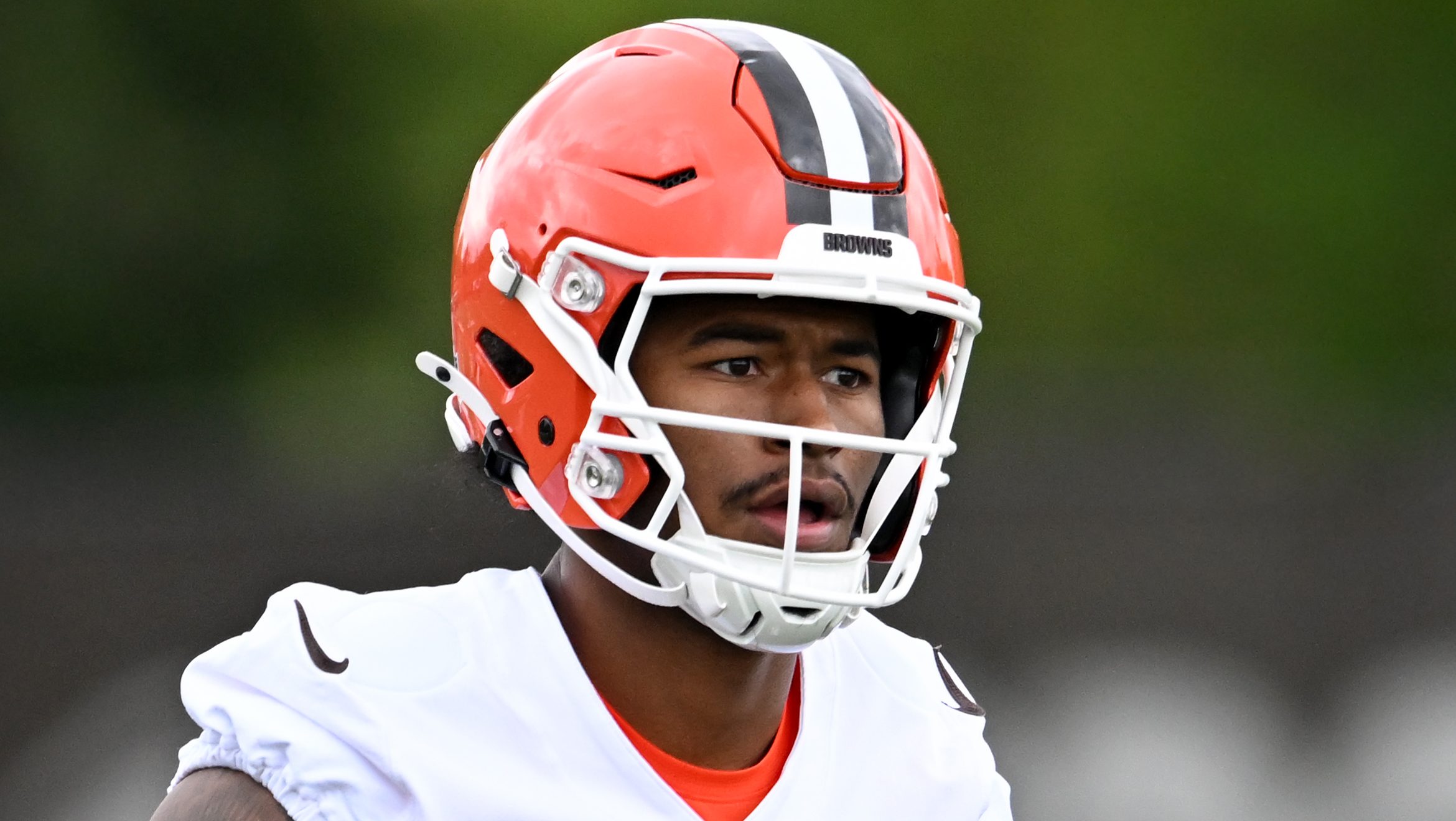
McCreary emerged as a standout performer during offseason activities, drawing praise for his strong showing in both organized team activities and minicamp. He earned a spot as the first-team slot corner, signaling that the former Tennessee Titans draft pick had secured a job to lose. Defensive backs coach Deshea Townsend acknowledged McCreary’s impressive slot play while also noting his potential to handle outside duties. Townsend described McCreary as “a competitive piece inside who can also play outside,” reflecting the linebacker-like versatility he was drafted to provide during his time at Tennessee. This combination of inside consistency and outside capability positions McCreary as the leading internal candidate to replace Arnold.
At this stage, the Lions could envision McCreary primarily lining up inside, while remaining a viable option on the outside if needed. His versatility is a notable asset, particularly in a league that values players who can switch roles based on matchups and injuries. McCreary’s track record suggests he could push the entire defensive backs room, providing depth behind the starting outside corners.
The question then becomes where McCreary fits most into the Lions’ long-term plans. McCreary will be entering his fifth NFL season. His path has included time with the Titans before a trade to the Rams in the prior year. Injuries limited his impact with the Rams, as he appeared in only six games and logged just 110 snaps largely after Week 17. Nevertheless, his combined experience includes substantial slot work (approximately 1,780 snaps) and significant outside opportunities (roughly 944 snaps), with a sizable portion of outside exposure concentrated in his rookie year when he played 662 snaps on the outside.
Townsend’s notes align with a practical approach: while McCreary has outside experience, the NFL has generally seen him function as a slot corner. That said, his college background leaned toward outside play, suggesting he can handle the position if the team needs him there in a pinch. This dual capability could be exactly what Detroit needs to weather the loss of Arnold and the uncertainties of the depth chart.
Beyond McCreary, the Lions have other candidates vying for the outside cornerback spots. Ennis Rakestraw and Rock Ya-Sin are in the mix, though Rakestraw’s durability has been a concern in recent seasons, limiting his availability. Ya-Sin brings a journeyman profile, providing depth and spot-start capability rather than a long-term solution. The outside depth battle remains open, and the team may also lean on internal flexibility within existing safeties and nickel corners to cover gaps.
Meanwhile, the Lions drafted Keith Abney in the later rounds, who, much like McCreary, has experience transitioning from outside corner to slot in the NFL. Abney’s development could influence how the Lions allocate responsibilities across corner and nickel roles, depending on how quickly he progresses in his transition and how the roster evaluates safety-slot hybrids.
Inside the roster, there are slot-by-design possibilities that could influence the overall strategy. Players such as Christian Izien and Avonte Maddox provide safety versatility that could slide into slot duties when needed. If the Lions decide to prioritize safety flexibility to cover nickel and slot roles, they could benefit from a combination of players who complement McCreary’s outside and slot strengths.
The broader takeaway is that Detroit’s immediate need at outside cornerback carries significant weight in shaping their depth chart for training camp and the preseason. While McCreary offers a compelling internal option with genuine versatility, the Lions must weigh whether to deploy him primarily in the slot and rely on others to push for the outside role, or to give him a broader mandate to compete on the outside as well. The right balance will depend on how the coaching staff evaluates matchup advantages, injury risk, and the evolving chemistry of the defensive backfield.
As the evaluation period unfolds, the Lions will test multiple combinations, potentially rotating players to identify which lineup affords the best coverage consistency and run defense. McCreary’s experience and versatility could make him a central figure in these experiments, allowing Detroit to maintain a flexible defense that can adapt to various opponent schemes. In a season where the secondary’s composition matters as much as any other unit, the ability to shuffle roles without sacrificing performance will be key to the Lions’ success.