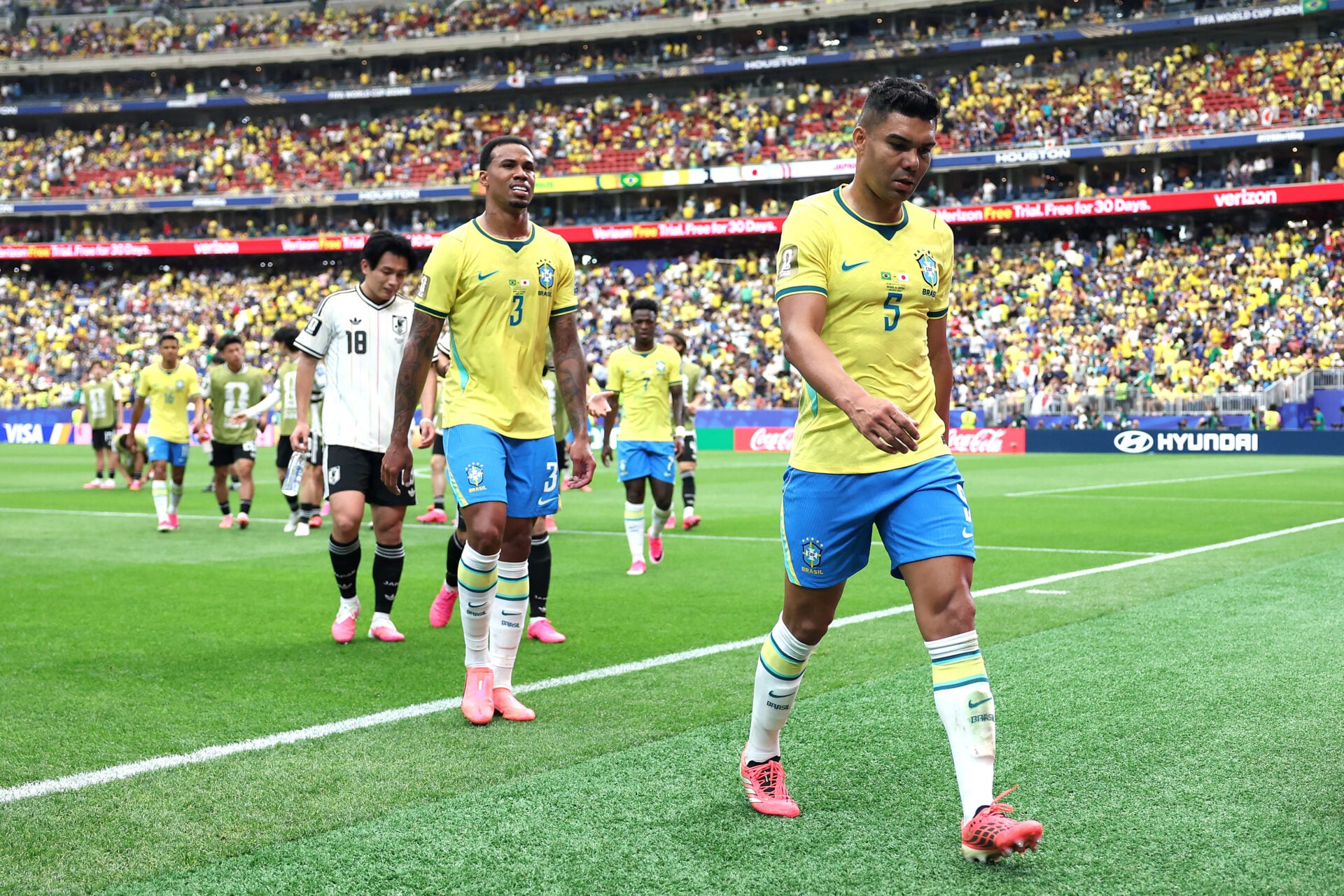
The match began with Japan pressing high and asking questions of Brazil’s defense. For long stretches, the tempo and structure were not as fluid as supporters would hope, and Japan’s early lead added to the tension. It was a half that many Brazil fans would rather forget, especially after the opening period suggested Japan might carry the momentum into the second half.
Casemiro, known for his exceptional ball-winning abilities and calm distribution, found himself at the center of the discussion as the match unfolded. It was a moment that sparked widespread debate about responsibility for the lapse that allowed Japan’s Kaishu Sano to break through and finish decisively. The incident became a talking point far beyond the stadium, fueling conversations about who should shoulder the blame for the concession.
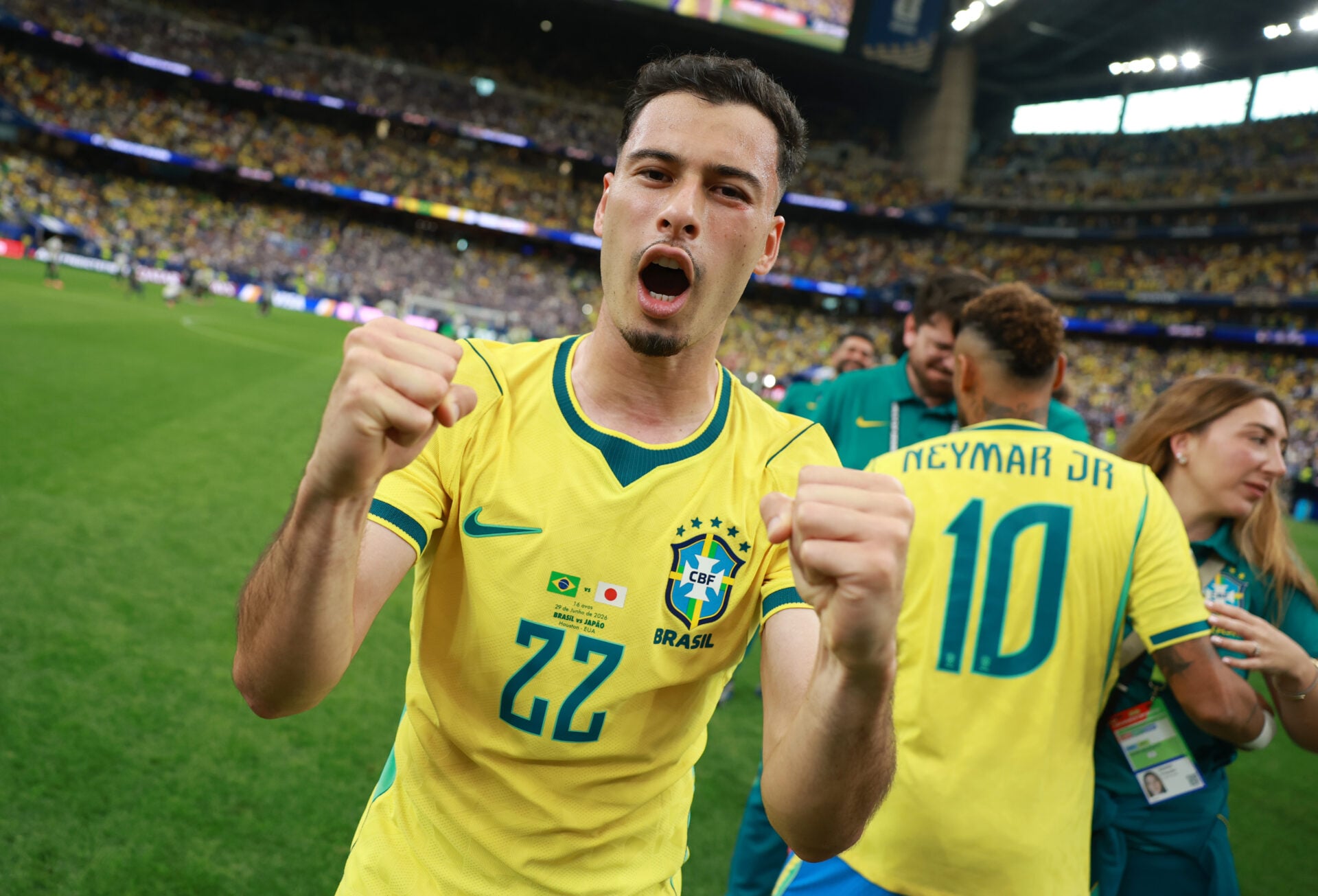
As the second half unfolded, Brazil shifted gears. The equaliser arrived through a precise set-piece delivery from Gabriel Martinelli, who delivered a dangerous cross that Casemiro nodded home. The goal exemplified Martinelli’s willingness to contribute at both ends of the pitch and demonstrated his continued importance to Brazil’s attacking fabric. The equaliser quickly turned the game’s momentum in Brazil’s favor, providing a platform for a late rally.
The decisive moment, however, came from Martinelli again. After Guimarães picked out a perfect pass, Martinelli was there to steer the ball into the net, securing the win for Brazil. The sequence underscored the value of composure and instinct in front of goal, especially in high-stakes games where every touch can alter the result. The finish not only sealed progression but also reinforced the quality of Brazil’s attacking depth and their ability to respond when under pressure.
Reaction from pundits and former players was swift and varied. Some analysts emphasized that the initial lapse should not overshadow the team’s overall performance, noting that Brazil regained rhythm after halftime and found a way to win. Others highlighted the importance of strategic adjustments after the break, praising the collective mentality that enabled the late turnaround. The discussion extended beyond the pitch to social media, where fans and commentators debated the allocation of responsibility for the early goal and the subsequent turnaround.
One particular social media commentary drew attention for its focus on Gabriel, arguing that he bore more blame than Casemiro for the opening goal. This stance sparked a broader debate about how moments of vulnerability in defense are analyzed, especially when the responsibility for a goal is shared across multiple players. In response, others pointed to the consensus among ITV analysts who argued that Casemiro’s initial decision-making played a critical role in allowing Sano’s run to goal. The disagreement highlights how high-profile matches can polarize opinions, especially when influential figures are involved in post-match analysis.
In evaluating performances, it is essential to separate individual mistakes from the collective effort required in World Cup fixtures. Brazil’s ability to bounce back after conceding demonstrated mental toughness and the squad’s depth of talent. Martinelli’s two key contributions—setting up the equaliser and finishing the late winner—were emblematic of his growing influence at both club and international levels. The collaboration with Guimarães showcased how quick, precise passing can unlock defenses and create decisive moments in the dying stages of a match.
Going forward, Brazil will be encouraged by the continuity of performance from its attacking players and the resilience shown when faced with adversity. The win secures a route to the knockout rounds and gives the team momentum heading into the next phase of the tournament. For Arsenal supporters, the performance served as a reminder of the high level at which Martinelli and Gabriel Magalhães operate, reinforcing confidence in their contributions at both club and country.
In summary, the match delivered drama, quality goals, and a demonstration of Brazil’s collective spirit. While the opening period raised concerns, the team’s response in the second half proved decisive. The equaliser from Casemiro, the decisive finish from Martinelli, and Brazil’s overall performance established a narrative of resilience and capability, reinforcing why this squad remains a formidable force on football’s biggest stage.