In Minnesota the previous year, Darnold played a pivotal role in guiding the team to 14 victories. He produced one of the best seasons of his career, throwing for 4,319 yards, 35 touchdowns, and 12 interceptions, while compiling a 102.5 passer rating over 17 regular-season games. This performance earned him his first Pro Bowl nod and contributed to the Seahawks signing him to a three-year, $100.5 million contract. In Seattle, Darnold demonstrated continuity, appearing in 559 pass snaps and posting a 79.3 overall Pro Football Focus (PFF) grade.
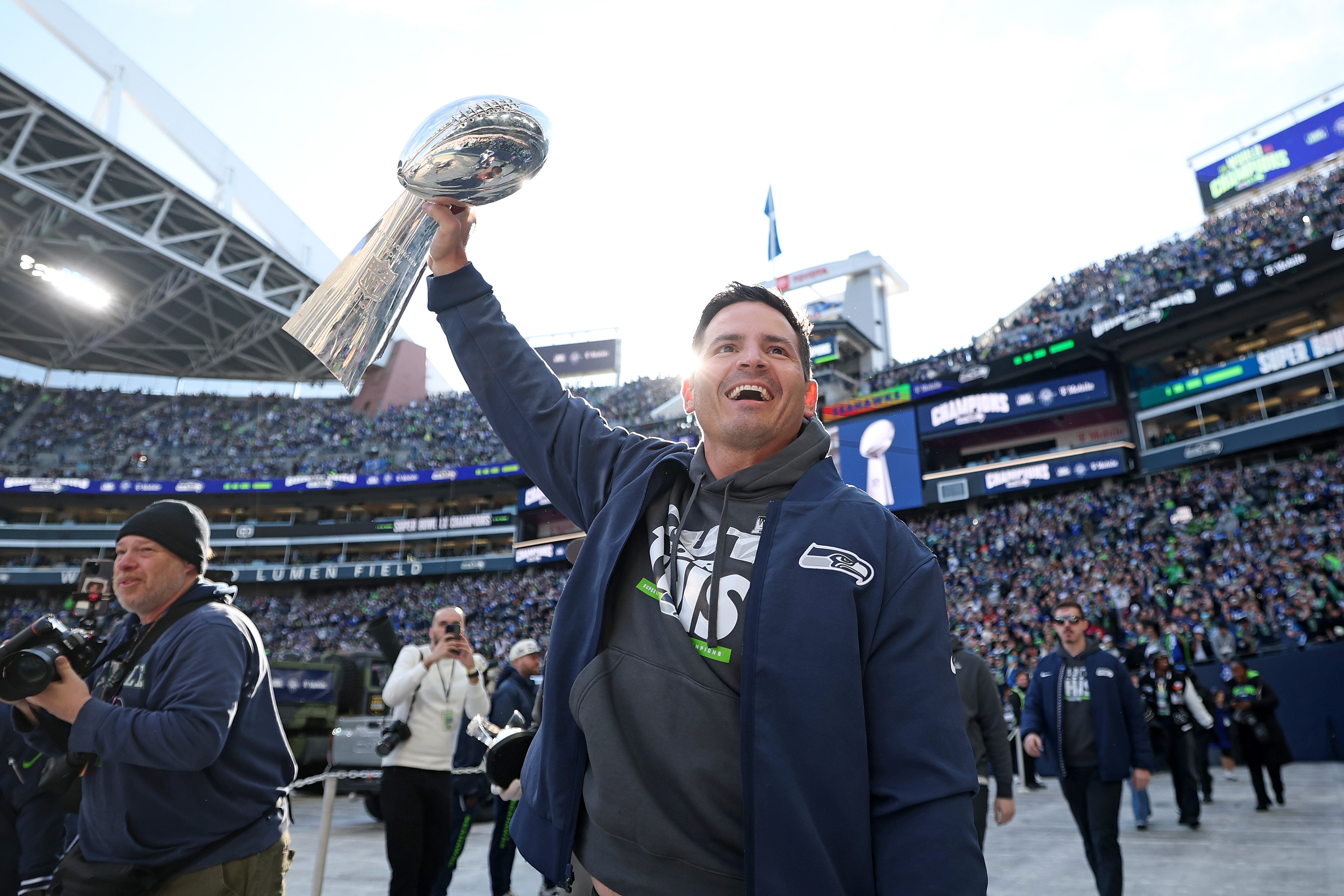
That solid production continued into the following season, with Darnold tallying 4,048 passing yards and 25 touchdowns against 14 interceptions. He also delivered 29 big-time throws and 19 turnover-worthy plays, helping Seattle contend for a championship and ultimately reach Super Bowl LX. These back-to-back productive seasons have fueled discussions about Darnold’s long-term value and whether his peak is sustainable.
Despite the strong numbers, some analysts project potential regression for Darnold in the 2026 season. One perspective comes from a widely cited sports writer who suggested that a regression could be likely after leading Seattle to a Super Bowl title. The argument rests on several factors: Darnold’s career-best completion percentage (around 67.7%), more than 4,000 passing yards in back-to-back years, and fluctuations in his touchdown rate. Critics point to signs that the 2025 season might not have matched the level of 2024, raising questions about whether those earlier performances were truly sustainable.
A key angle in predicting regression centers on Seattle’s pass-catching corps. Even with Jaxon Smith-Njigba emerging as a top target, questions persist about the group behind him. While Smith-Njigba is regarded as one of the league’s elite young receivers, the options around him are less certain. Rashid Shaheed has shown flashes as a situational deep threat but has not yet established himself as a consistent primary weapon. Veteran Cooper Kupp remains a factor, but age and diminishing speed could impact his production. The tight end position is seen as average, and unless a breakout from Tory Horton occurs, the receiving corps may not match the previous season’s production. If the pass-catching group doesn’t provide reliable options, Darnold’s floor and ceiling could be affected.
Another factor in the evaluation is the running game, which is expected to lean on rookie Jadarian Price early in the season while Zach Charbonnet recovers from a torn ACL. Seattle also entered a transition at offensive coordinator, bringing in Brian Fleury to oversee the unit as Klint Kubiak departs. This shift could influence the team’s scheme, play-calling approach, and how well Darnold can leverage the offense’s weapons.
From a financial perspective, if Darnold maintains or improves his performance, discussions about a lucrative contract will intensify. Some commentators have floated the possibility of a deal in the neighborhood of $50 million per year or more. While there is debate about whether Darnold would push for such an amount, others note that his value could justify substantial compensation if he continues to produce at a high level and helps the team compete for championships. Still, contract negotiations are influenced by a player’s age, long-term durability, and consistency, making the ultimate figure unpredictable.
In assessing Darnold’s trajectory, it’s crucial to separate the quarterback’s individual talents from the surrounding roster dynamics. A strong supporting cast, a healthy offensive line, and a coherent game plan can amplify a quarterback’s efficiency. Conversely, if the Seahawks’ passing options struggle to develop chemistry or if the running game experiences injuries, Darnold’s effectiveness could be affected.
Fans and analysts alike will watch how Seattle addresses its receiving corps, whether the newly formed scheme under the new coordinator maximizes Darnold’s strengths, and how the team manages workload across the offense to avoid overreliance on a single focal point. The balance of pass protection, play-action efficiency, and shot plays downfield will all contribute to whether Darnold can sustain elite-level production.
Looking ahead, Darnold’s value to Seattle hinges on consistency, decision-making, and staying healthy. If he can replicate or surpass his 4,000-yard seasons, maintain a strong touchdown-to-interception ratio, and steadily minimize costly turnover-worthy plays, the Seahawks will be positioned to contend and to secure a favorable contract narrative. For now, the question remains: can Sam Darnold sustain this level of play over a full season, and how will Seattle’s personnel moves, coaching changes, and injury landscape shape that outcome? As the season approaches, those questions will define the narrative around Seattle’s quarterback and the team’s championship aspirations.