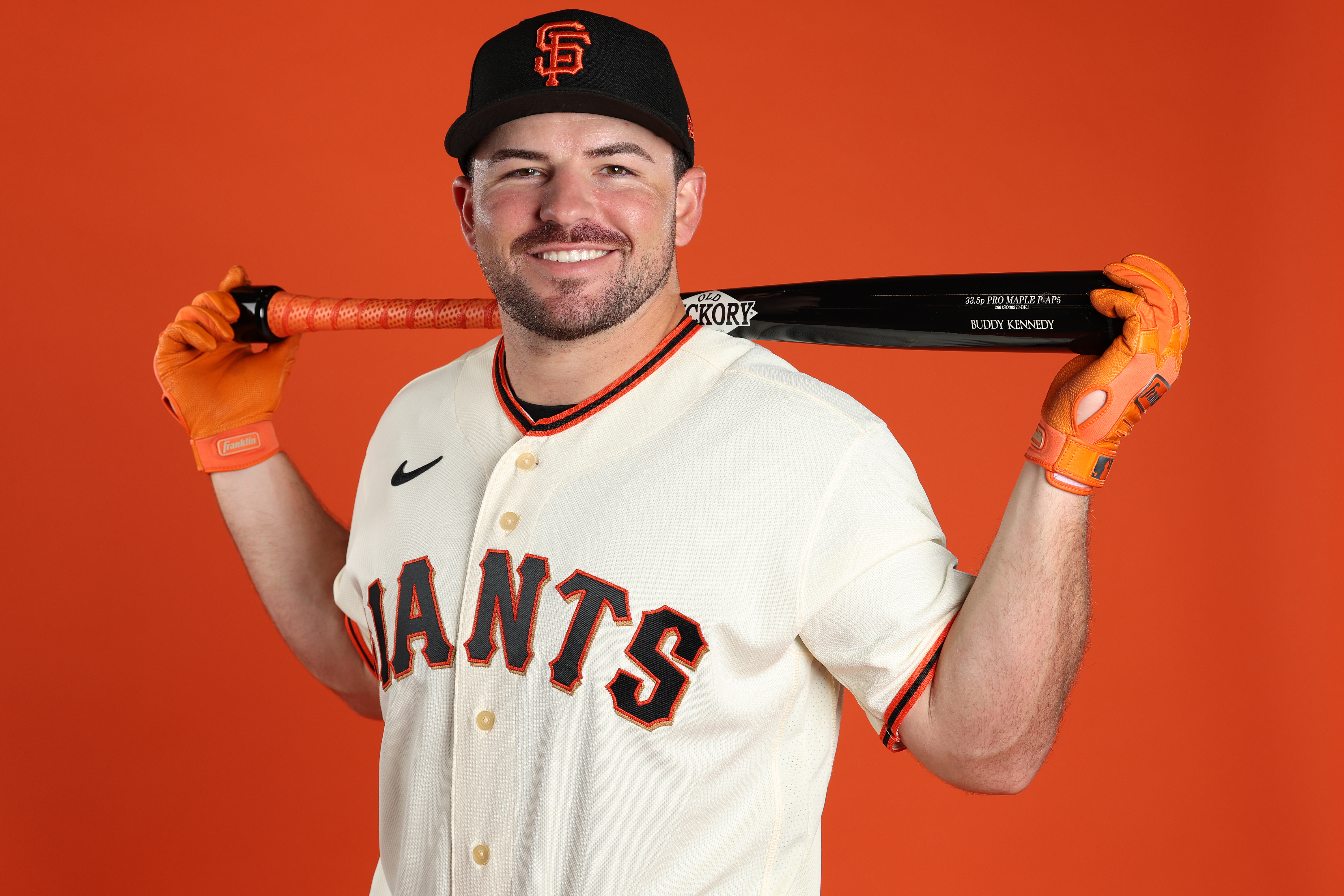
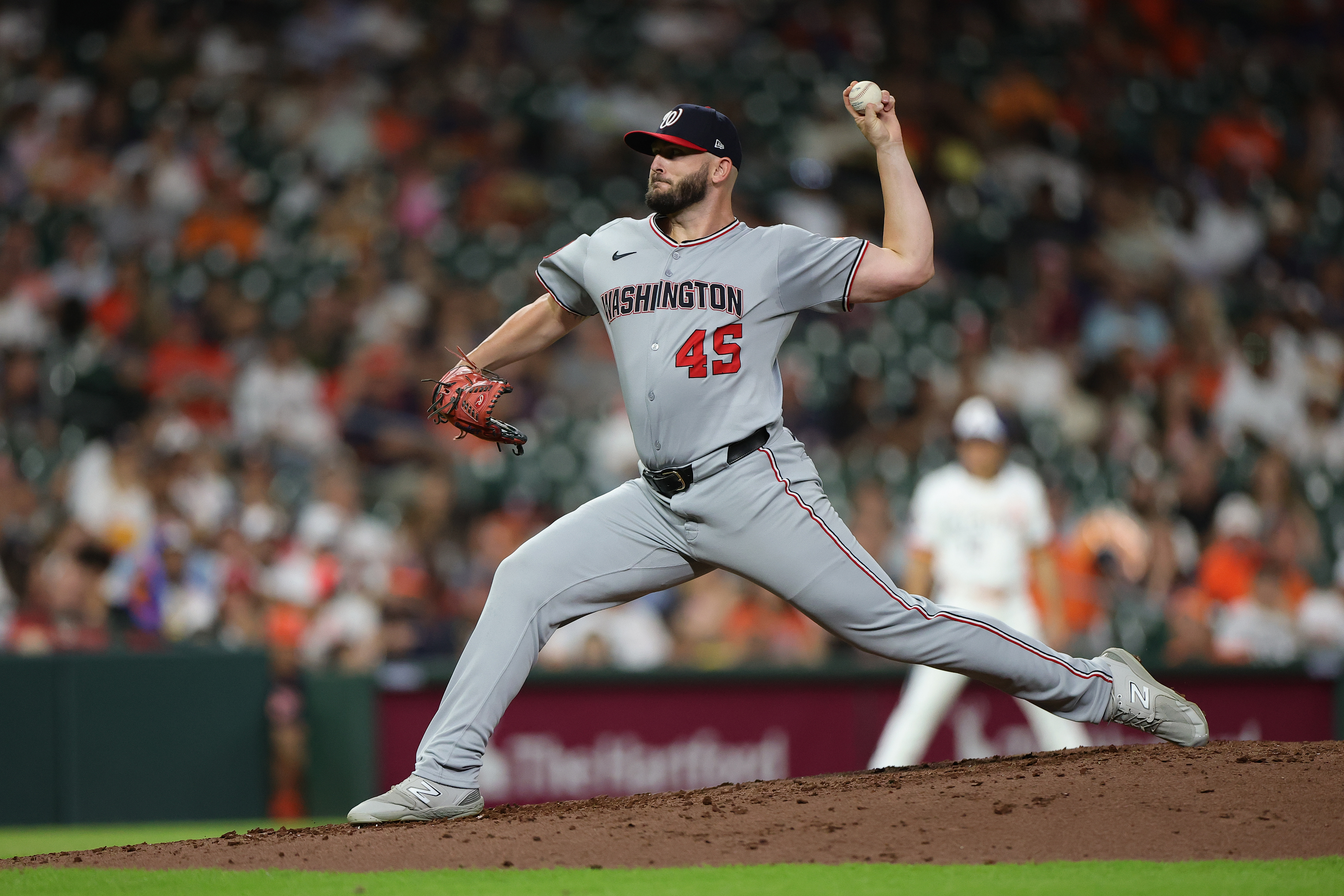
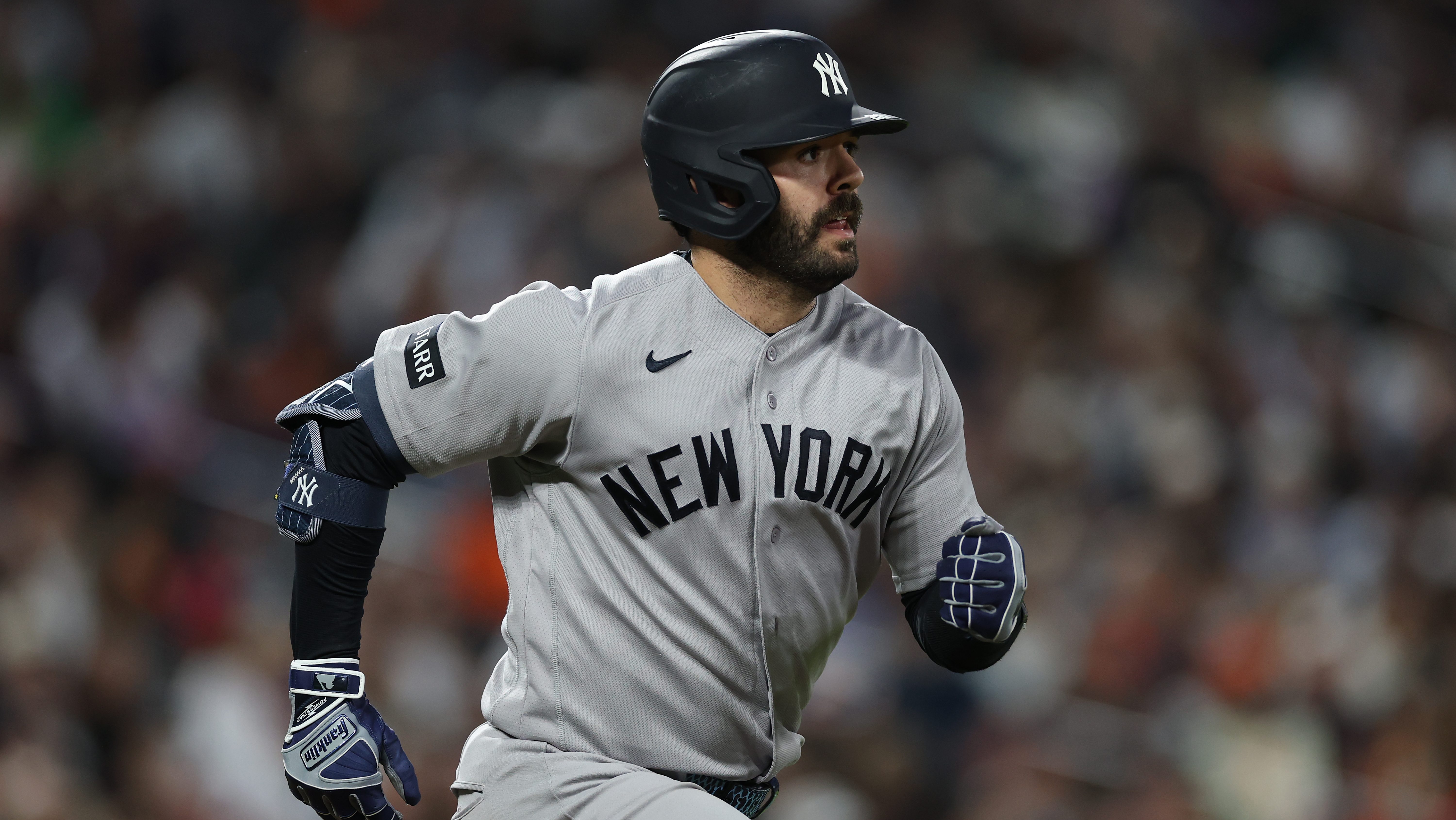
Miller’s impact in San Diego has been nothing short of electric. Since arriving at the 2025 trade deadline, he quickly established himself as the kind of closer who changes an entire late-inning dynamic. His 0.77 earned run average after joining the Padres in 2025, spanning 23.1 innings between Oakland and San Diego, highlighted a season where he totaled 22 saves and 104 strikeouts across 60 appearances. He carried that momentum into 2026, a year in which he appeared to elevate his performance even further.
A recent franchise record underscored Miller’s dominance: a scoreless-innings streak that surpassed 34 innings, remarkable for any reliever and noted as one of the longest in the modern era. By the time the Athletics faced him again, Miller had cemented himself as one of the premier closers in the game. Across 32 appearances in the season, he converted all 21 save opportunities, allowing only 14 hits and 13 walks across 34.0 innings. His season statistics—an ERA around 0.79, a WHIP near 0.79, a batting average against of roughly .122, and strikeouts per inning near two—point to a performer who seldom yields runs and frequently ends threats in the late innings.
The allure of a pitcher of Miller’s caliber is not merely about traditional stats. It’s about the leverage he provides, the psychological edge he offers a bullpen, and the ability to tilt games decisively in the closing frames. That combination is rare and valuable, which helps explain why San Diego’s willingness to part with significant future assets for Miller made sense in the short term and why Oakland’s perspective mattered as a framing of the deal’s risk and reward.
From Oakland’s viewpoint, the trade represented a strategic recalibration toward a longer horizon. The club received Leo De Vries, a shortstop whose ascent through the minor leagues has been closely tracked by evaluators. De Vries, widely regarded for his high upside, has demonstrated promising performance in the upper minors, where he posted a strong batting line and notable speed on the bases. At 19, his ceiling remains expansive, and his future position could evolve beyond shortstop if defensive or team needs dictate.
Accompanying De Vries in the package were several pitching prospects—Braden Nett, Henry Baez, and Eduarniel Nunez—each with a blend of upside and risk that is typical in deals built around controllable impact players. In the aggregator of prospect pedigrees, De Vries stood out as the centerpiece, with Nett, Baez, and Nunez representing the kind of upside that inspires hope for the long view. While prospects can take different trajectories, the mathematics of the deal rested on the belief that acquiring a top-tier shortstop with potential to mature into a cornerstone could yield dividends over a decade or more.
The risk calculus is a core component of this kind of swap. Relievers who throw at peak velocity are notoriously volatile; a history of arm injuries adds another layer of uncertainty. The Athletics, not in a position to contend immediately, faced a choice: maximize present value by cashing in a premier closer or hold and risk losing him to free agency or dwindling leverage. The trade’s logic hinges on De Vries’s potential to become a franchise cornerstone, a payoff that could compensate for the lost immediate impact if the prospect develops as anticipated.
However, the human element of the trade—the emotional and professional sting of watching Miller excel elsewhere—cannot be overlooked. Miller’s presence in a Padres uniform has provided a reminder of what the Athletics chose to part with and the caliber of talent they believed could be transformed into long-term organizational strength. The gap between understanding a trade’s rationale and feeling its real-time consequences is often wide, especially when a player of Miller’s caliber appears to be thriving in the same league’s spotlight.
Looking ahead, the Athletics’ decision could still yield a favorable outcome if De Vries grows into the star many scouts anticipated. If Nett, Baez, or Nunez mature into productive Major League players, the combination of strong organizational development and timely contributions from the acquired assets could alter the final judgment of this trade. Yet, for now, the tension remains palpable: Miller’s continued excellence with San Diego serves as a constant reminder of the cost of throttled prospects and the heavy price paid to accelerate a championship pursuit.
Patience remains a virtue in evaluating this deal. The Padres’ approach centers on immediate impact and championship potential, while Oakland pursues a longer arc of competitiveness through development and strategic asset acquisition. The ongoing performance of the players involved will ultimately determine whether the trade is viewed as a clever, future-facing maneuver or a painful reminder of a star who found a home elsewhere too soon.