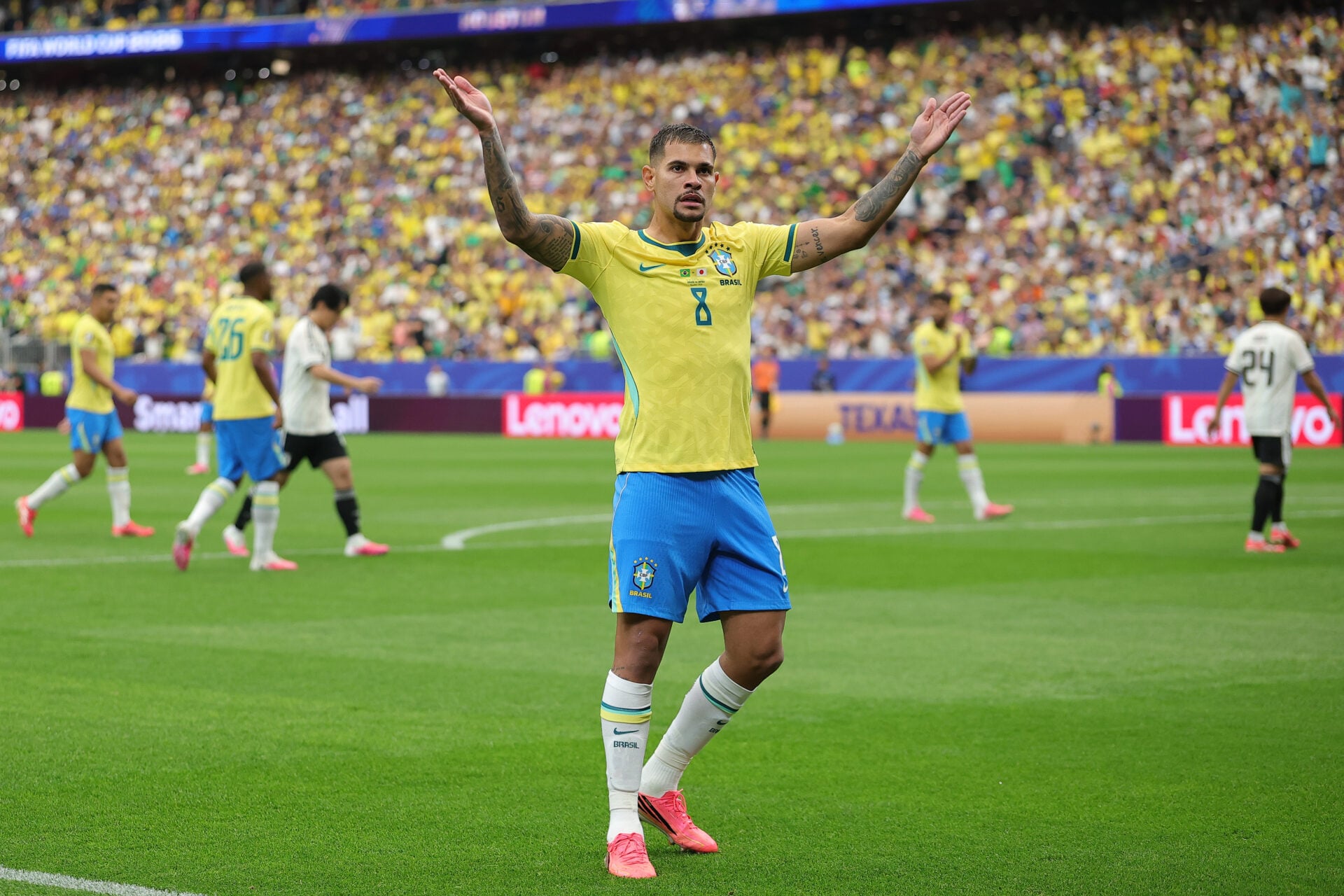
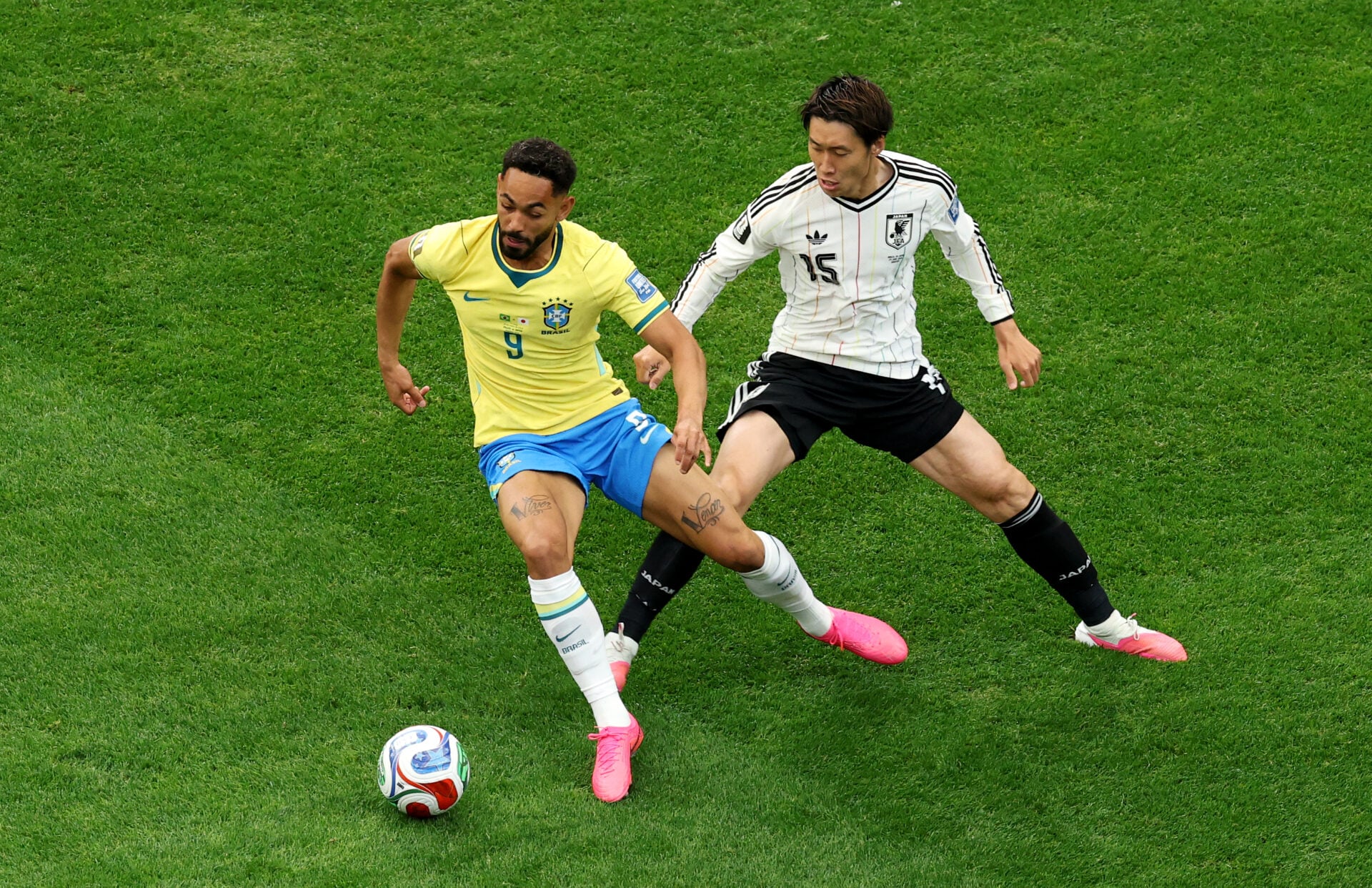
Kone’s profile may be less familiar to English fans, but his standing among those who keep a close eye on French football is high. The 22-year-old midfielder has developed a strong reputation for his balance of ball-winning prowess, technical quality, and ability to contribute going forward. He was part of France’s World Cup squad, sharing camp with fellow players and watching compatriots from top European clubs. His form at Roma has helped him rise from relative obscurity to a recognized name in transfer discussions.
From a tactical standpoint, Kone has been praised for mobility and aggression across the pitch. His ability to win possession and then transition quickly into forward passing offers a functional pairing with more attack-minded teammates. Some observers highlight his capacity to break lines with incisive distribution, which could complement a midfield setup that already features creators and ball-dominant operators. In interviews and analysis, former players and coaches have lauded his work rate, timing in tackles, and evolving understanding of position-specific duties in modern football.
Vieira’s assessment of Kone adds another layer to the appraisal. The former France captain and current coach has spoken positively about Kone’s season with Roma, noting that injuries limited him at times but praising his overall quality. Vieira highlighted Kone’s range of attributes: mobility to cover ground, tenacity in winning the ball, and technical ability to drive plays forward. Such endorsements from a respected figure in French football can influence perceptions among clubs evaluating midfield targets.
For Chelsea, the decision to pursue Kone would come alongside considerations about other potential midfield signings. Xhaka has been mentioned as a priority target, and a reunion with Chelsea’s manager could be an appealing narrative for both club and player. However, Xhaka is contracted to his current club and exploring a move would depend on financial feasibility and strategic fit. If a transfer for Xhaka materializes, it could shape Chelsea’s approach to Kone—either by intensifying interest if the club seeks a partner in the middle or by cooling the pursuit if resources and squad balance point in a different direction.
Kone and Xhaka share similarities in terms of their ability to win the ball and progress play through the middle. Both bring a high level of technical proficiency and can operate as deep-lying playmakers who can push the ball forward. Neither player is typically billed as a pure goal threat, particularly when compared with more attack-minded midfielders. In Chelsea’s broader framework, a player of this profile would likely slot alongside a more creative operator and a defensive or box-to-box partner, forming a balanced trio in central midfield.
An important tactical consideration is how these roles would integrate with Chelsea’s other midfield options. Enzo Fernandez represents the more advanced creative outlet in the center of the pitch, while younger or newer signings would need to mesh with him to create a dynamic and effective unit. The most plausible outcome is that the club would pursue one primary anchor—either Xhaka or Kone—and evaluate whether a second midfielder with complementary attributes is necessary. Given the emphasis on a cohesive middle layer, many analyses suggest that pursuing both Xhaka and Kone simultaneously would stretch resources and risk overlap rather than provide distinct strengths.
Beyond the technical and tactical factors, clubs must weigh market dynamics and financial considerations. Roma’s need for funding to satisfy financial targets could influence the pace and direction of negotiations for Kone, especially if a substantial bid is required. Conversely, Chelsea’s willingness to invest and the prospect of pairing a veteran presence with youthful talent could shape the final decision. Transfer talks often involve complex negotiations over compensation, contract length, and add-ons, all of which affect whether a proposed move will come to fruition.
For supporters and analysts tracking Chelsea’s midfield evolution, the key takeaway is that the club appears to be exploring multiple avenues rather than pinning hopes on a single arrival. Whether it is a proven veteran like Xhaka or a rising talent such as Kone, the ultimate objective remains clear: to strengthen the spine of the team, provide balance, and ensure enough competition and depth to support a demanding schedule across domestic and European competitions.
As the market develops, Chelsea will need to weigh each option against the club’s long-term plan, the current squad’s dynamics, and the style of football the team aims to implement under the current management. The decision will hinge on fitting the midfield puzzle with players who can contribute consistently, adapt to the club’s philosophy, and deliver performances that translate into results on matchdays.