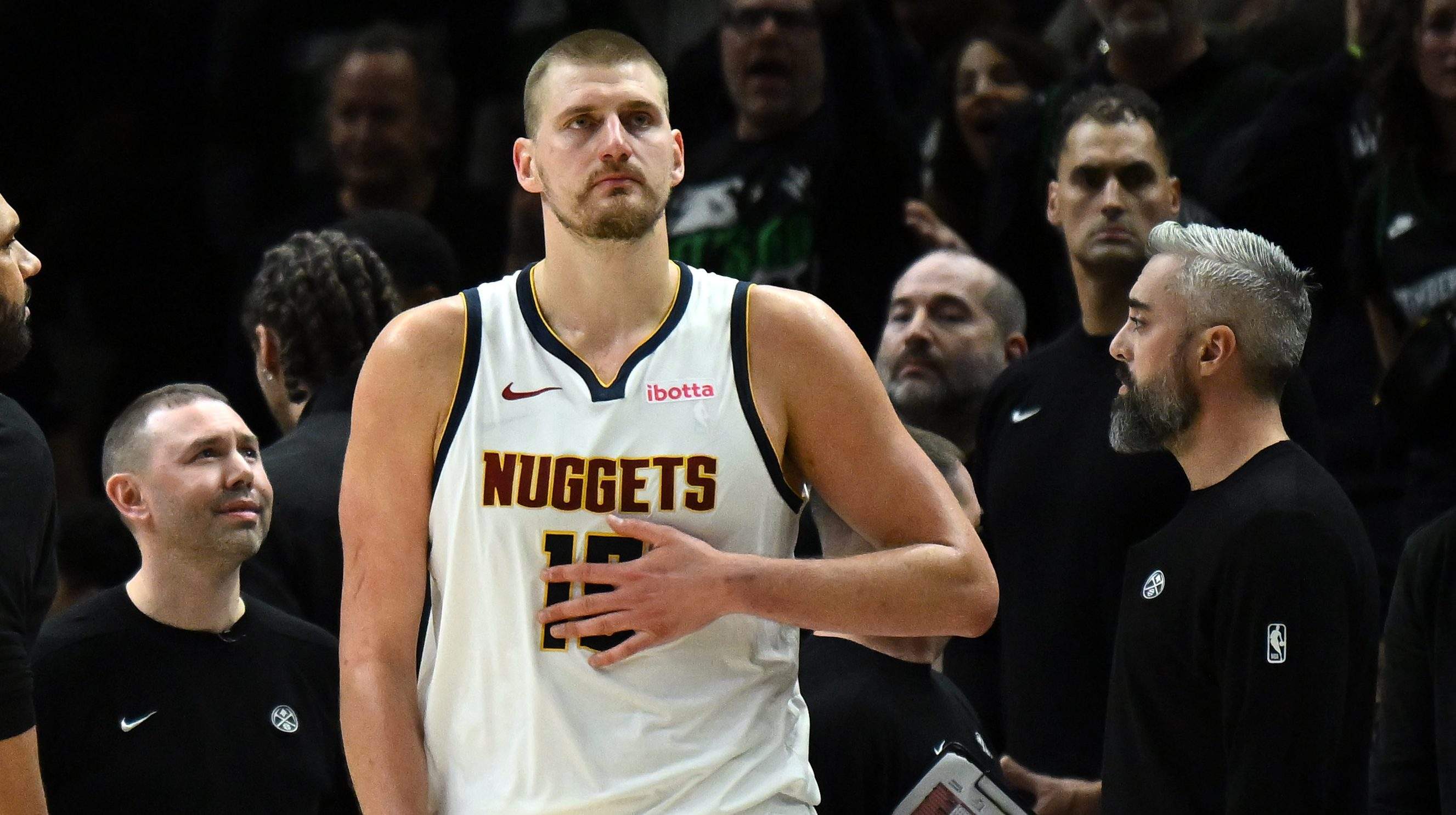
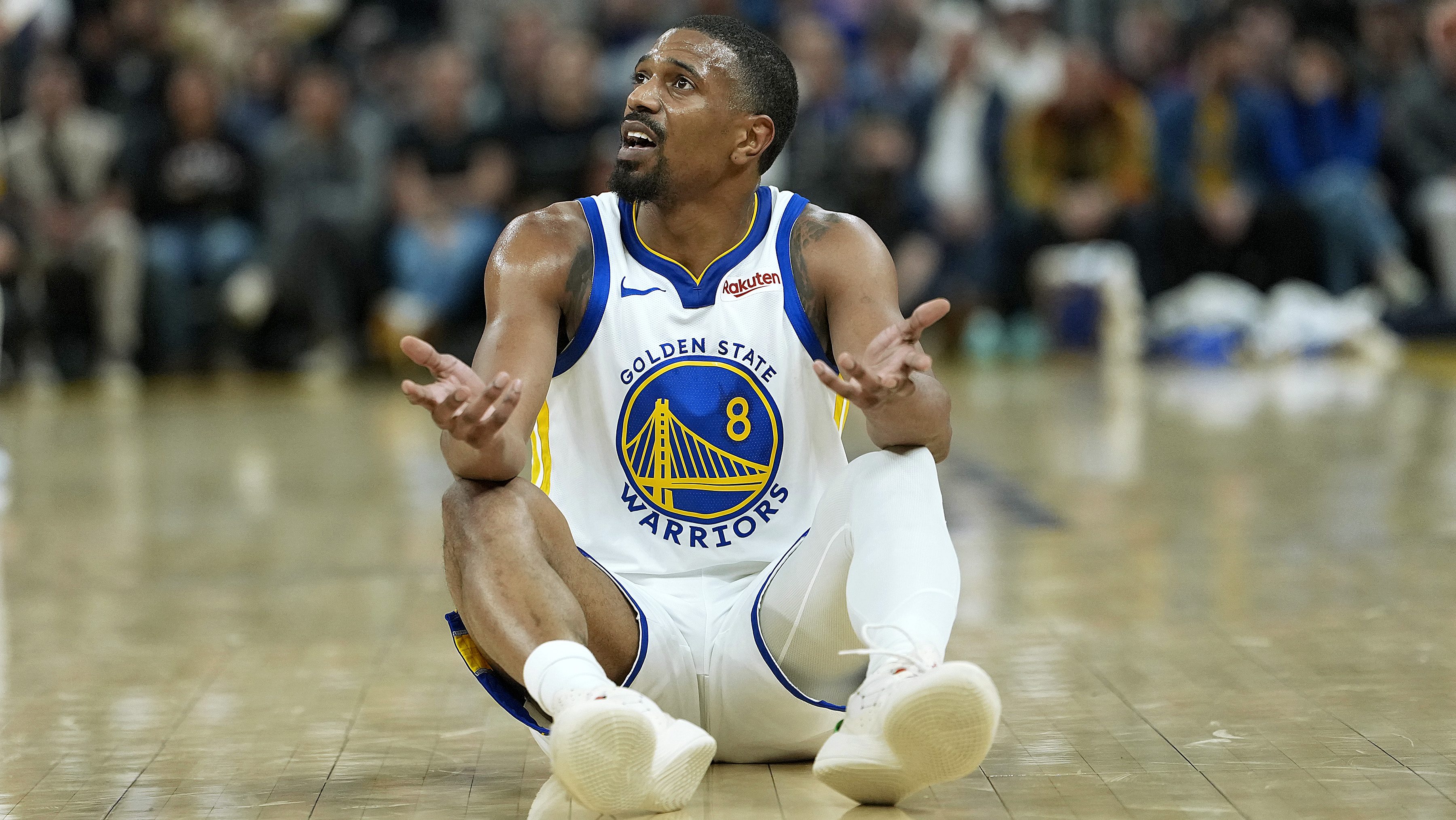
Morant, 26, is under a five-year, $197 million contract, a terms package that could complicate Miami’s financial flexibility. Any deal would need to balance the Heat’s current commitments to Antetokounmpo and Adebayo with the long-term implications of Morant’s sizable salary. Davion Mitchell and Andrew Wiggins would help with immediate salary matching, but the longer-term fit requires careful consideration. Wiggins is entering a player option year, and moving his contract would create some breathing room; however, Morant would be joining the Heat long-term, altering the franchise’s estimated payroll for years to come.
Memphis has reportedly shown openness to listening to offers for Morant, creating a window for potential negotiations. Still, the heat of such a deal is not simply about acquiring a high-profile talent. It also involves evaluating Morant’s durability and off-court considerations, which have surfaced in recent seasons. Morant’s on-court impact is undeniable: he is among the league’s most explosive guards and a prolific scorer, capable of elevating a lineup when paired with elite teammates. Integrating him alongside Antetokounmpo and Adebayo could yield a formidable backcourt and frontcourt dynamic, enhancing the Heat’s ability to generate pressure on opposing defenses and diversify scoring options.
However, Morant’s durability concerns—74 to 79 games played in recent seasons—pose a material risk for a team aiming to contend for championships. Long campaigns, possible load management, and the potential for injury could hamper continuity. Off-court issues, too, have been a topic of discussion, prompting questions about how best to maintain team chemistry and a stable environment. In a market like Miami, a reset-and-resetting vibe could help Morant regain peak form, especially within a championship-minded organization that has a track record of cultivating continuity and accountability.
From a strategic perspective, the appeal of Morant lies in his combination of speed, burst, and finishing at the rim, plus his playmaking ability in pick-and-roll scenarios. Pairing him with Antetokounmpo would give the Heat a high-powered guard-forward combination and create a multifaceted offensive system capable of exploiting mismatches. Defensively, Morant’s size and quickness would still present challenges, but when paired with the Heat’s established defenders, the unit could be solid and adaptable across lineups. The pairing with Adebayo would provide a versatile frontcourt that can switch onto multiple positions and protect the rim while Morant accelerates the pace in transition.
Yet, any move for Morant must address several tricky questions. The Heat would need to craft a deal that minimizes long-term risk while maximizing on-court payoff. Trading away Mitchell and Wiggins would thin the roster’s depth, potentially reducing shooting around Morant and complicating rotational balance. The organization would need to lean on depth pieces and optionality in future drafts or flexible contracts to offset the loss of role players. The ultimate objective would be to preserve the Heat’s core identity—competitive, disciplined, and relentlessly blue-collar—while integrating Morant’s superstar talent.
Supporters of a Morant acquisition argue that the move could provide a blueprint for sustained contention. His elite athleticism and scoring ability could help Miami accelerate their offense and take pressure off other stars, potentially unlocking further offensive variety. The Heat have a history of acquiring volatile talents and guiding them toward team-based success, evidenced by past moves that transformed players into essential contributors within a carefully managed system. If Morant can align with the team’s structure and culture, the potential payoff could be substantial.
On the flip side, there are legitimate concerns about the fit and the risk profile. Morant’s long-term contract demands a significant portion of the cap, leaving less room to maneuver for extensions and signings around him. Additionally, his durability remains a recurring issue, and the off-cield factors associated with a high-profile player could strain team dynamics if not managed with clear expectations and accountability. The Heat would have to implement a robust plan for off-court guidance, leadership development, and a supportive environment that reinforces discipline and focus.
In evaluating whether a Morant trade would be a prudent move, it is essential to weigh the upside against the risk. The Heat would gain a transformational playmaker who could elevate the franchise’s ceiling, but they would also assume substantial financial commitments and a potential disruption to current building blocks. Given Morant’s talent, the trade’s appeal is clear, but the path to a successful outcome would depend on meticulous roster construction, prudent asset allocation, and a strong emphasis on culture and accountability.
In the broader basketball landscape, the Morant scenario remains a topic of ongoing speculation. While it is not guaranteed that such a blockbuster would come to fruition, the Heat’s front office is clearly considering strategic moves that could reshape the team’s trajectory for the coming years. Whether this specific package materializes or not, the idea underscores the Heat’s willingness to explore high-impact options that could solidify their place among championship contenders.
As the offseason unfolds, Miami’s decision-makers will need to balance ambition with prudence, ensuring that any acquisition aligns with a sustainable financial plan and a coherent team-building strategy. The goal remains consistent: to create a championship-contending unit around Antetokounmpo and Adebayo, maintaining competitive depth and a resilient culture that can withstand the rigors of a demanding NBA schedule.
Note: This analysis reflects ongoing rumors and public discussions about potential trades and does not constitute a guaranteed transaction. Team decisions will depend on negotiations, salary matching, and strategic forecasts that teams weigh during the offseason.