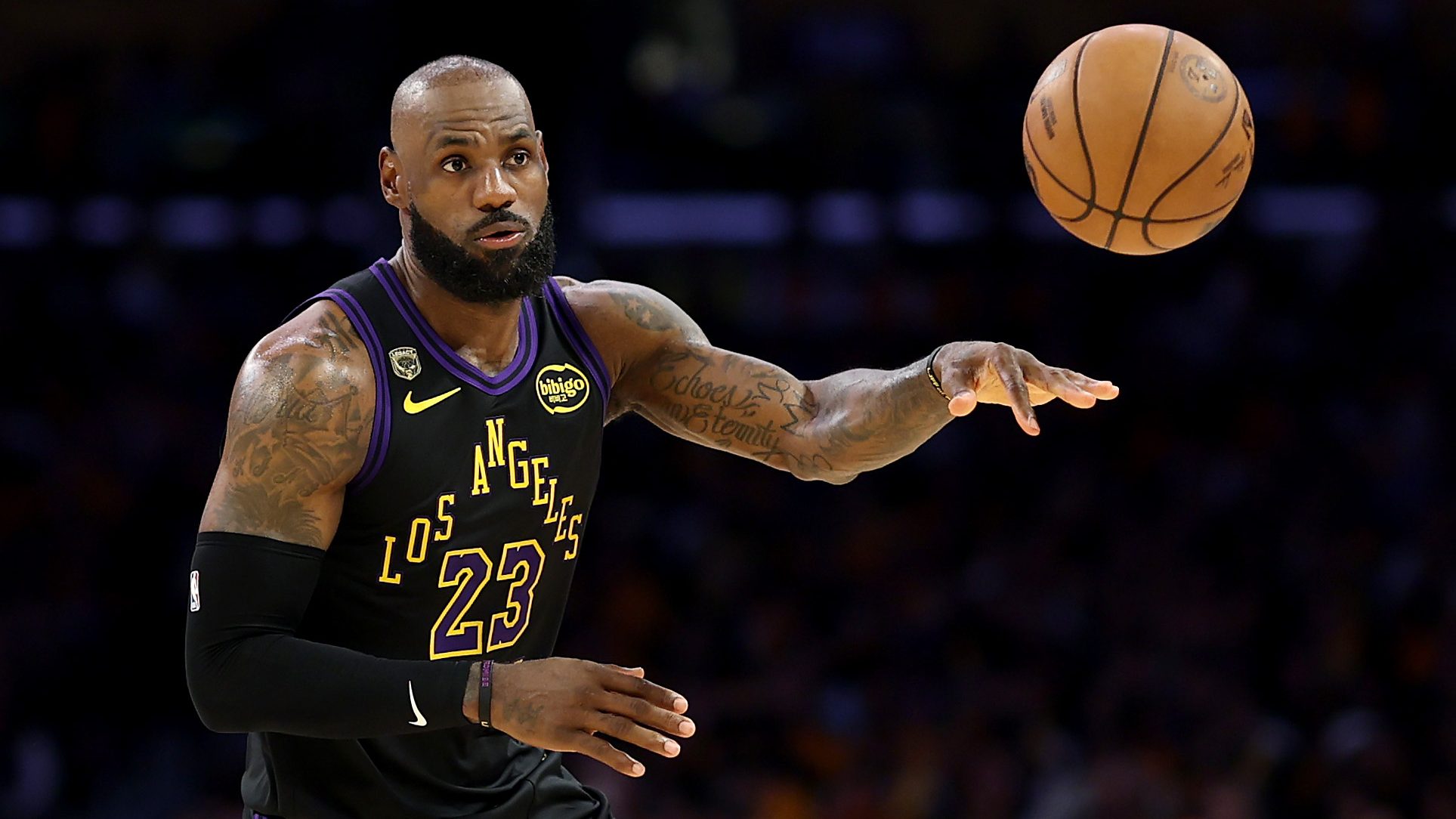
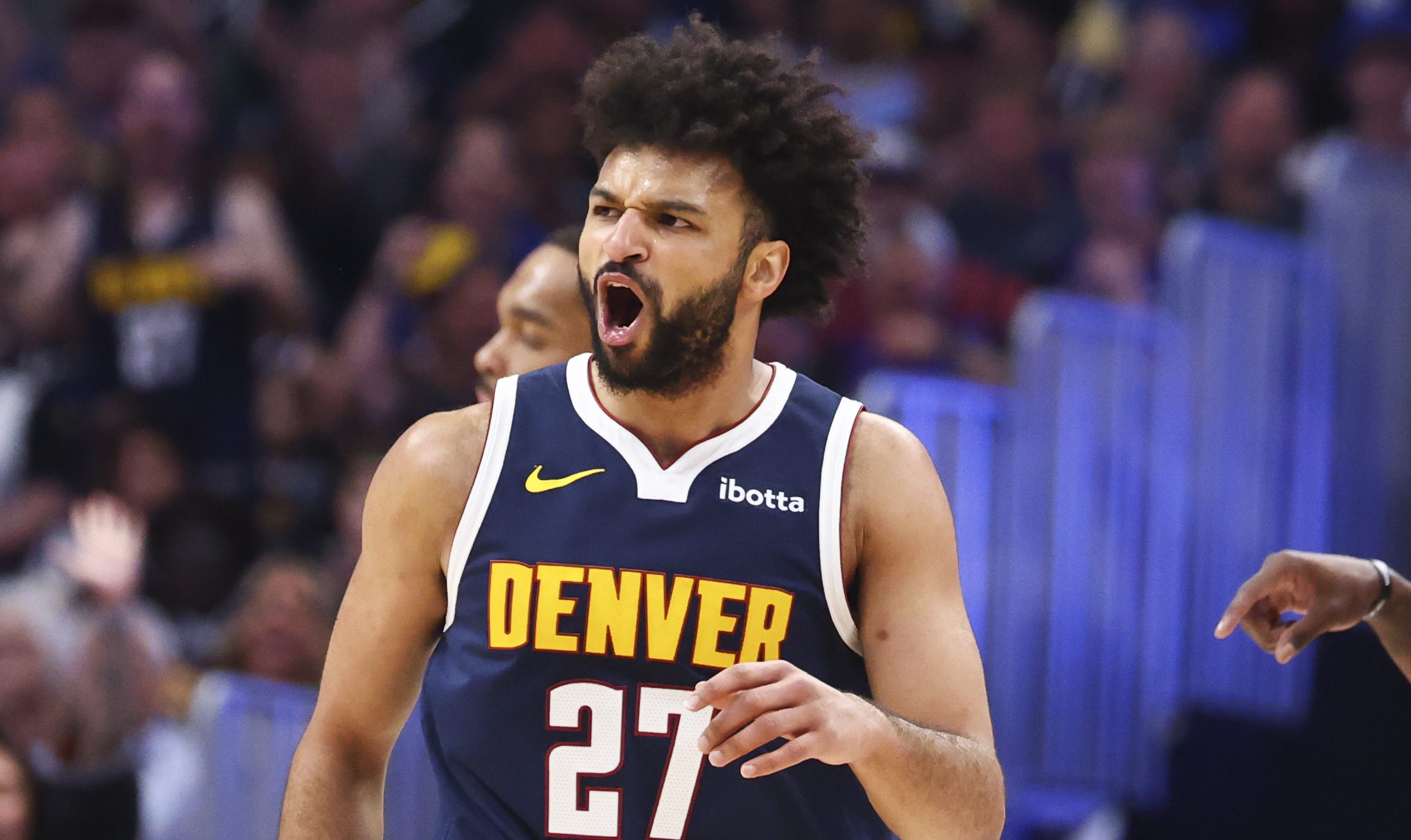
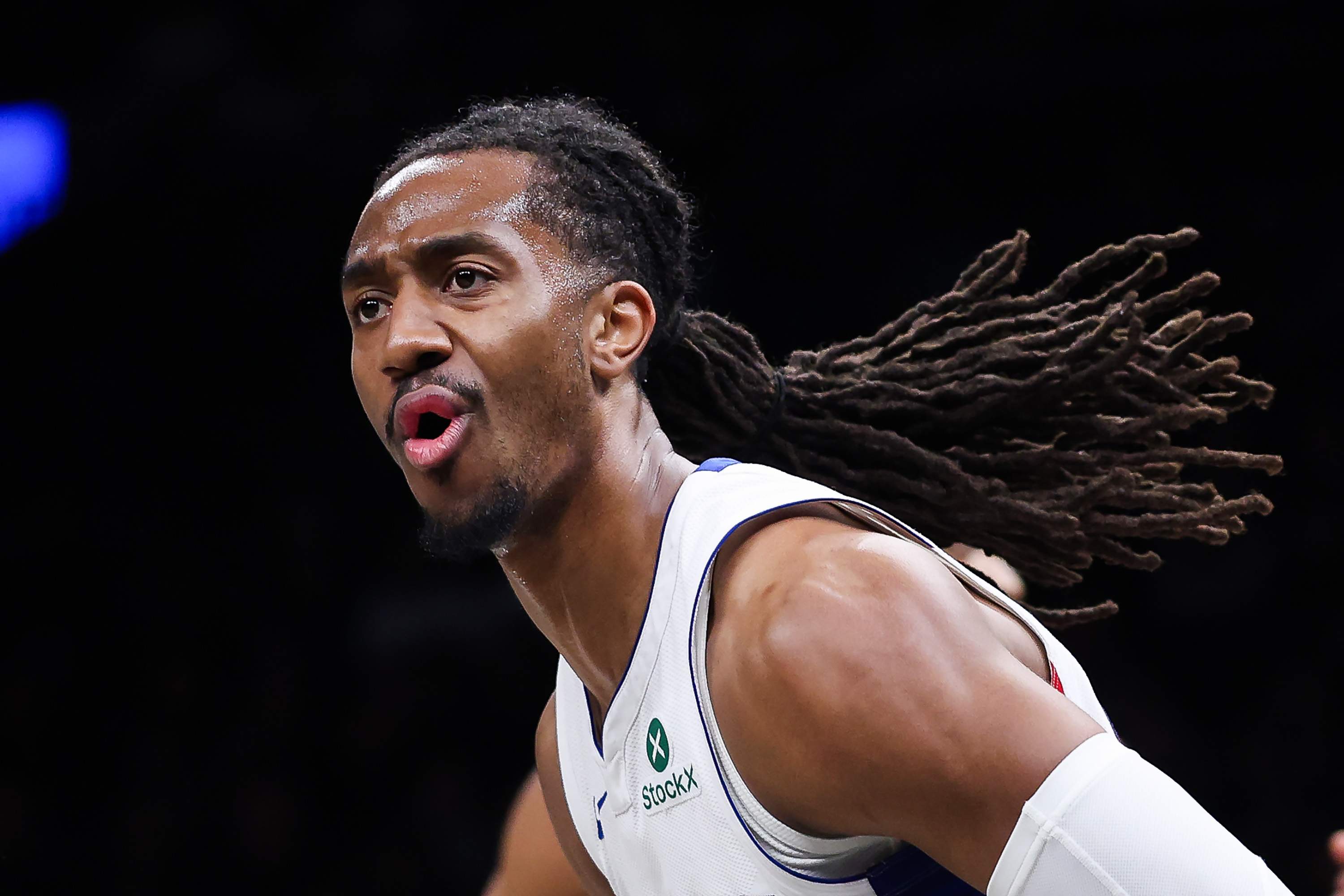
A notable talking point in recent discussions centers on a possible reunion with the Heat. One pundit suggested that there is a realistic chance of a Miami comeback if the pieces align via a sign-and-trade scenario. The proposed framework envisions Miami orchestrating a deal that would bring James back to South Beach in concert with other roster moves. Specifically, the hypothetical package discussed involves the Heat sending a pair of players to the Lakers in exchange for James and potentially his son, Bronny James, as part of a broader maneuver designed to maximize the team’s short-term window while remaining within cap constraints.
In the scenario outlined by analysts, the Heat would leverage their mid-level exception to absorb a portion of the cost associated with adding a high-impact veteran. Miami currently holds a non-taxpayer mid-level exception, which places a limit on the annual salary they can offer without triggering luxury tax complications. A sign-and-trade could potentially enable a more substantial overall deal than a traditional free-agent signing, offering team control over years and player options that could fit the Heat’s long-term plans alongside their core optimism about championship contention.
Key factors fueling the intrigue include James’ proven ability to impact games at an elite level and his demonstrated adaptability. Even as he nears his 40s, James has posted strong per-game numbers, contributing meaningful scoring, playmaking, and leadership. In recent seasons, he has averaged around 20 points per game with robust assist totals, continuing to influence playoff outcomes. This type of production keeps him in the conversation for any contender seeking a veteran with championship experience and a trusted locker-room presence.
A return to Miami would also hinge on fit with the team’s established core, including standout defenders and versatile wings who could help alleviate the defensive load that often accompanies a player of James’ age. The Heat’s organizational culture—built on resilience, two-way competency, and a commitment to player development—creates a compelling environment for a short-term move aimed at contending now while shaping the roster for the near future. The prospect of reuniting with a franchise that previously delivered a championship banner adds an emotional and strategic layer to the decision-making process for both sides.
Beyond Miami, other destinations have been mentioned in speculative chatter. The idea of a sentimental return to the Cavaliers, where James began his professional journey, has been floated as a possible option for a player of his stature. Such discussions highlight the balancing act he would face: choosing a situation that offers meaningful on-court opportunity, personal satisfaction, and a pathway to potential late-career success.
From a strategic standpoint, any potential deal would require careful negotiation of salary, years, and player protections to satisfy league rules and the interests of both teams involved. The theoretical plan would seek to maximize winning chances in the near term while preserving flexibility for future rosters and draft assets. It would also consider how to integrate James alongside the Heat’s current star talents and high-caliber role players who can keep the team competitive on both ends of the floor.
James’ performance this past season underscored his enduring value. He remained a dynamic playmaker with the ability to affect the game in multiple facets, from scoring to facilitating to creating opportunities for teammates. Even as some physical aspects of his game show age-related evolution, his basketball IQ, experience, and leadership continued to influence results in meaningful ways. These attributes contribute to the ongoing discussion about where he could best contribute in the next chapter of his career.
The broader context for the Heat includes their recent roster reshaping, which reflected a willingness to pursue bold moves in the pursuit of a championship window. While such aggressive strategies carry risk, they also demonstrate the franchise’s readiness to act decisively when opportunities arise. Any pursuit of a veteran superstar would need to be weighed against long-term financial considerations, potential tax implications, and the ability to maintain a balanced roster capable of sustaining success beyond a single season.
As negotiations and discussions continue across the league, fans and analysts will be watching closely to see where James’ next chapter unfolds. The decision will likely hinge on a combination of personal preference, competitive opportunities, and the practical logistics of constructing a roster that can contend for titles while navigating the complexities of salary cap economics. Regardless of the path chosen, James’ next destination will shape the landscape of the offseason and could redefine the Heat’s immediate trajectory as they aim to capitalize on a win-now opportunity while preserving room for sustained competitiveness in the years ahead.