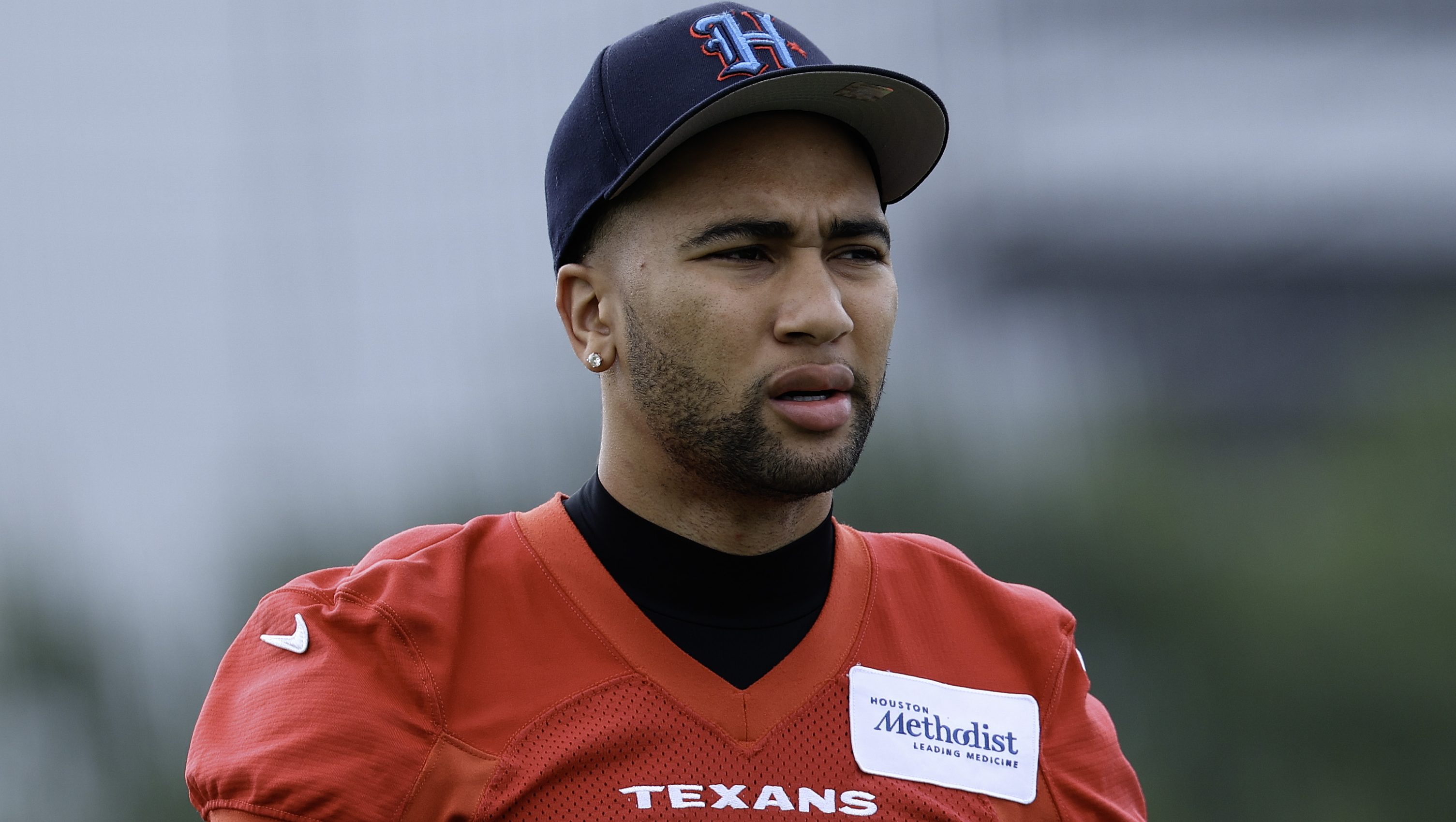
During the team’s Week 1 matchup against the Los Angeles Chargers in Sao Paulo, Brazil, Worthy collided with tight end Travis Kelce on a crossing route, an incident that underscored the persistent concern about his durability. In the ensuing offseason, Worthy was spotted at mandatory minicamp wearing a yellow non-contact jersey, a non-playing precaution designed to protect him as he continues to recover. Reports indicate that Worthy played through the 2025 season with a torn shoulder labrum and also dealt with an ankle injury, circumstances that have influenced the Chiefs’ approach to his rehabilitation. The emphasis remains on ensuring Worthy is fully healthy before removing the non-contact designation, with expectations that he may participate fully by the start of training camp or closer to the preseason.
Despite the injury concerns, Worthy has shown flashes of promise during offseason workouts. He has performed well in practice sessions and has earned recognition as a standout among his peers. The Chiefs’ coaching staff is hopeful that Worthy will translate his offseason momentum into a productive role in 2026, provided he can maintain health and avoid re-aggravation of prior injuries. The plan appears to be gradual ramp-up, with full participation anticipated as the preseason arrives, allowing Worthy to build confidence and chemistry with his quarterback and the rest of the offense.
Rashee Rice, the second notable wide receiver in this discussion, is also navigating a comeback from knee surgery performed in mid-May. His timeline intersected with legal issues, as he served a 30-day stint in jail related to a probation violation. Nevertheless, Rice did not incur complications to the knee during incarceration, and medical sources project that he could be cleared to resume football activities in time for training camp in late July. Even if Rice is not fully cleared at the outset of camp, the expectation is that he will receive playing time in the preseason as part of his rehabilitation process, assuming there are no major setbacks in the interim.
On the quarterback side, Kansas City is monitoring Patrick Mahomes as he recovers from a torn ACL/LCL injury sustained in the latter portion of the previous season. The latest updates indicate a cautious approach to his rehabilitation, with an emphasis on ensuring complete clearance before full-contact practice resumes. The Chiefs’ objective remains to have Mahomes ready to participate in at least one preseason game, but the team will likely weigh the risks of bringing him back too soon. As of now, Mahomes has not been cleared for 11-on-11 drills, and the organization has prioritized protecting him during non-contact periods and practice sessions.
The broader context for Kansas City centers on sustaining a high-powered offense while managing a limited receiver roster. If Worthy and Rice can regain peak form, they could provide valuable depth and playmaking ability, supporting an offense led by Mahomes. The potential combination of Worthy’s playmaking upside and Rice’s recovered mobility could add a dynamic dynamic to the Chiefs’ passing game, particularly in developing routes and mismatches across defenses.
Xavier Worthy’s development remains a focal point for Kansas City’s early-season plans. His experience and talent offer a pathway to meaningful contributions, but his health status will be a key determinant of his role and usage in Week 1 and beyond. The Chiefs will likely deploy a measured approach to his workload, starting with limited reps as he proves his conditioning and trust in his surgically repaired shoulder and ankle. If Worthy can stay on the field and demonstrate consistency, his speed and route-running ability could help stretch defenses and create opportunities for teammates.
Similarly, Rashee Rice’s recovery trajectory will shape late-summer roster decisions. If Rice progresses on schedule, he could enter training camp with a solid chance to resume his role as a vertical threat and a trusted target in the offense. The coaching staff will monitor his knee rehabilitation closely, balancing the desire to accelerate his return with the imperative of long-term health and reliability.
In the broader framework of the Chiefs’ offense, the team remains hopeful that the current holding pattern around Mahomes’ return to full-contact drills does not impede his readiness for the regular season. A measured approach to Mahomes’ rehabilitation aims to minimize re-injury risk while ensuring the franchise’s flagship quarterback is at peak performance when games begin. The balance between protecting a star signal-caller and building sufficient game readiness involves careful planning by the medical and coaching staff, particularly as the team navigates with a thinner receiving corps.
This situation places increased importance on a healthy offseason for Worthy and Rice, as well as potential contributions from emerging depth players. The Chiefs will likely emphasize versatility across the receiving group, leveraging the talents of the unit’s players to maximize opportunities in both the passing and rushing aspects of the offense. As training camp approaches, coaches will evaluate how each receiver’s health status translates into on-field readiness, with competition and workload managed to optimize performance for the regular season.
In summary, Kansas City faces a delicate balancing act: protecting a star quarterback and supporting a potentially high-upside receiver corps while contending with a thin wideout roster. The outcomes of Worthy’s shoulder and ankle recoveries, Rice’s knee rehabilitation, and Mahomes’ clearance will collectively shape the Chiefs’ approach to the 2026 season. With a cautious but optimistic outlook, the team aims to assemble a ready-to-compete lineup by the time the preseason rolls around, setting the stage for a strong push toward another deep run in the AFC.