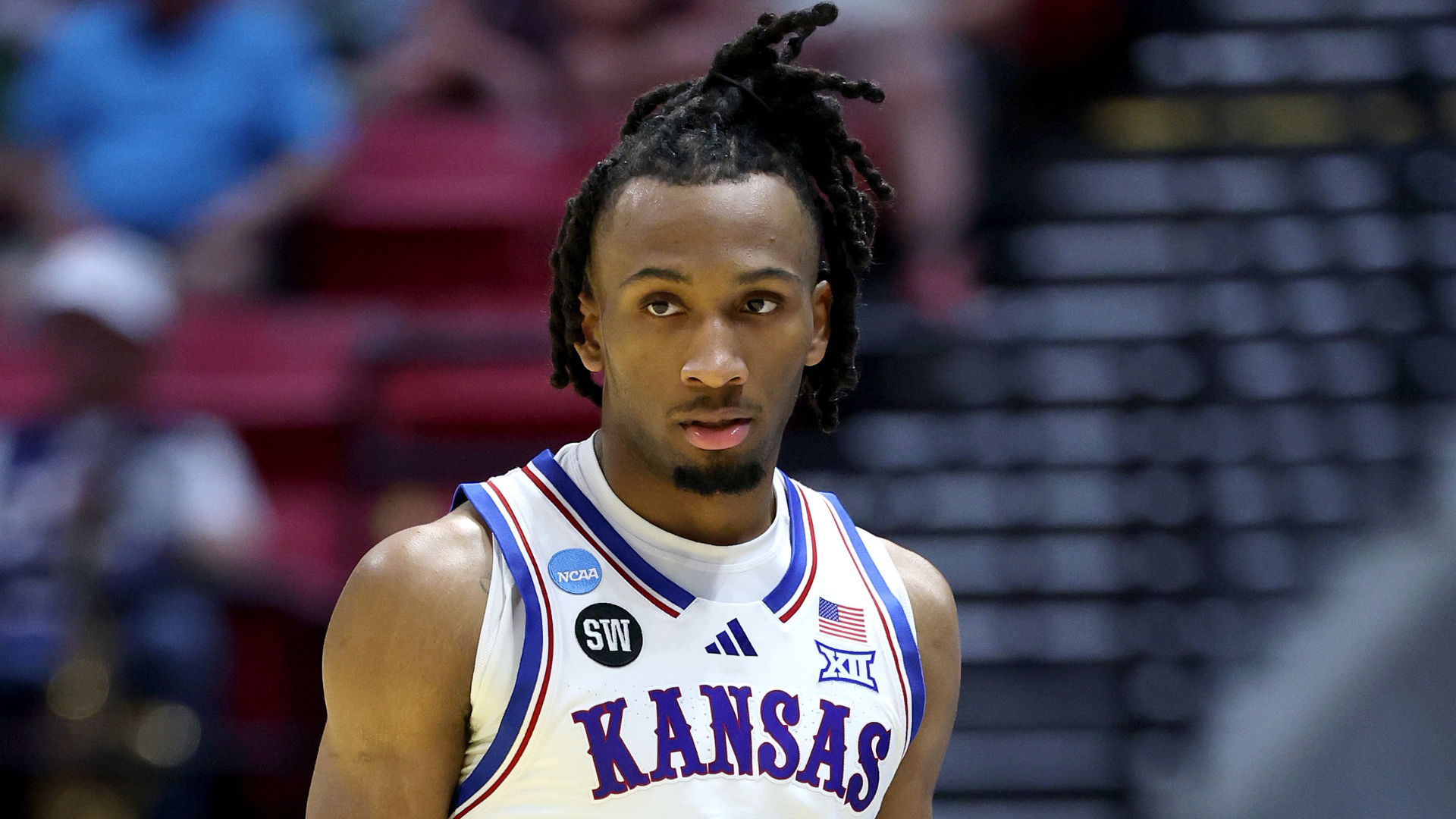
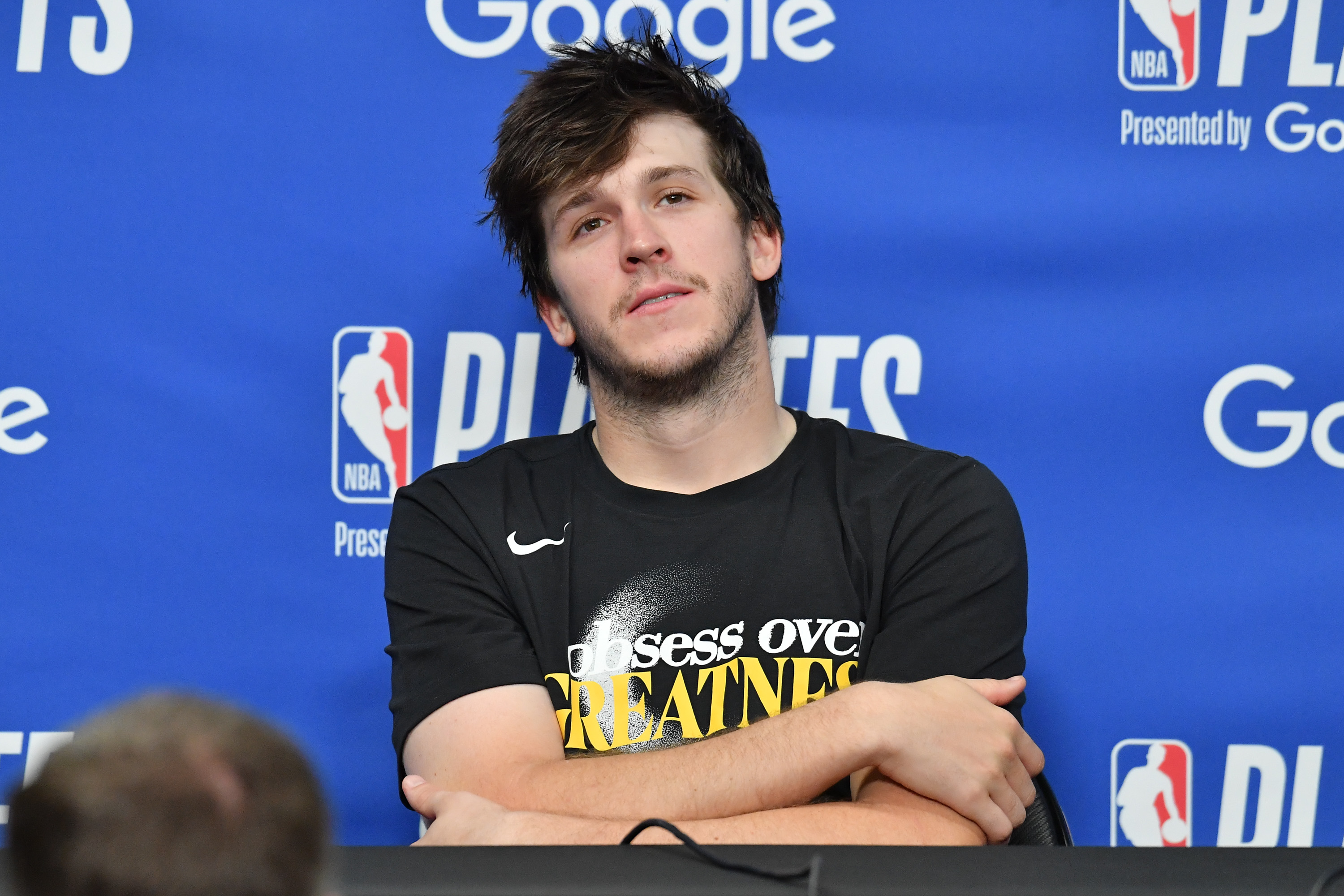
Isaiah Joe, who blossomed into a dangerous perimeter shooter this season at a 42.3 percent clip, was traded to the Detroit Pistons for second-round picks in 2030 (via Minnesota) and 2031. The Thunder also executed a contract move for center Isaiah Hartenstein, declining his $28.5 million team option and re-signing him to a three-year deal worth $75 million, with a team/player option on the third year. The expectation is that this could effectively translate to a two-year pact around $50 million.
Looking ahead, Oklahoma City could consider similar salary adjustments with Jaylin Williams or Kenrich Williams to further reduce payouts and dodge the luxury tax, but any additional moves could target higher-impact players. One player frequently discussed in this context is Lu Dort.
Trade prospects surrounding Dort remain complex. An executive noted that Hartenstein might not be on the block immediately despite the Mara draft pick addition. If Mara develops more quickly than anticipated, Hartenstein could become a midseason trade asset or be moved next offseason. Dort, meanwhile, carries one year and $18 million on a team option. If the Thunder exercise that option, Dort would reach free agency and the team would again be navigating tax thresholds. Alternatively, Oklahoma City could opt in and then trade Dort. The possibility also exists that Dort remains with the Thunder to maintain a close pairing with Shai Gilgeous-Alexander, accepting the financial implications.
If Dort were to depart, the Thunder would prefer a trade that sends him to the Eastern Conference, reducing the likelihood of facing him in the playoffs. The departures of Joe to Detroit and Wiggins to Atlanta demonstrate an emphasis on moving players to non-contending markets or to teams where their presence is less likely to impact the Thunder’s immediate playoff hopes.
Other notable trade developments around the league:
– Miles Bridges has drawn significant interest on the market, but teams are mindful of his off-court history. Bridges’ past incidents present a risk that not all franchises are willing to absorb, so while there could be a trade, it may be limited to a small subset of teams.
– The Golden State Warriors are pursuing a measured approach for the upcoming season, focusing on stability and preserving a midlevel exception rather than chasing blockbuster moves. The organization is hopeful that players like Moses Moody can return and contribute, prioritizing competitive play and a dignified, steady progression rather than drastic upheaval.
– The Pistons’ acquisition of Joe makes Duncan Robinson’s situation easier to manage. Robinson has only $2 million of his $16 million salary guaranteed for next season, which could give Detroit flexibility to pursue other offensive creators if a better fit emerges.
– Discussions continue around Jaylen Brown, with reports suggesting Boston may be asking for a substantial haul, including four first-round picks. While a Brown deal remains unclear, Portland is cited as a potential suitor, though practical hurdles exist in meeting Boston’s terms.
Other trades already agreed upon in the league have reshaped several rosters through the summer. Notable movements include:
– LaMelo Ball’s move to the Minnesota Timberwolves, bringing in a dynamic scorer to pair with Anthony Edwards. Naz Reid, plus multiple picks, swaps, and additional considerations, were part of the exchange structure that integrated Ball into Minnesota’s system.
– A multi-team deal that sent Giannis Antetokounmpo and Bobby Portis to Miami, with Tyler Herro and others moving to Milwaukee, featuring multiple future picks and swaps.
– Julius Randle’s trade to the Brooklyn Nets, enabling the Minnesota club to realign its frontcourt and accommodate a new core around LaMelo Ball and Ayo Dosunmu.
– Nic Claxton’s move to the Chicago Bulls, where Chicago hopes to maximize a bounce-back season after clearing Claxton off their books.
– Isaiah Stewart’s shift to the Memphis Grizzlies, adding depth and toughness for the Grizzlies’ frontcourt.
Young players are a focal point for potential deals as well. Prospects like Jalen Duren ( Pistons), Trey Murphy (Pelicans), Evan Mobley (Cavaliers), Franz Wagner (Magic), Zion Williamson (Pelicans), and Alperen Sengun (Rockets) are frequently mentioned as candidates in hypothetical packages, though each situation depends on team needs, contracts, and willingness to accept risk. Particularly in discussions about 25-and-under talents, teams weigh upside against financial commitments and role expectations on contending rosters.
West-target chatter includes potential moves involving Domantas Sabonis (Kings), De’Aaron Fox (Spurs), Rudy Gobert (Timberwolves), Zach LaVine (Kings), Aaron Gordon (Nuggets), Klay Thompson (Mavericks), Cam Johnson (Nuggets), and Jerami Grant (Blazers). Each name comes with its own set of financial and strategic considerations, and teams remain cautious about overpaying or disrupting core chemistry.
Looking ahead, the trade landscape for the NBA remains highly fluid. Teams will continue balancing competitive aspirations with long-term financial health, and the Thunder will likely be involved in strategic trades designed to maintain flexibility and preserve their ability to compete at a high level. The market for big-name stars will push some teams to explore bold options, while others will favor stability and cost control.
In summary, Oklahoma City’s recent moves underscore a broader trend in the league: teams are increasingly leveraging trades to manage payroll while preserving competitiveness. While a marquee deal involving Lu Dort or other high-impact players could shift the balance for the Thunder, the path to major changes remains nuanced, with a mix of short-term flexibility and long-term planning guiding decision-making across the league.