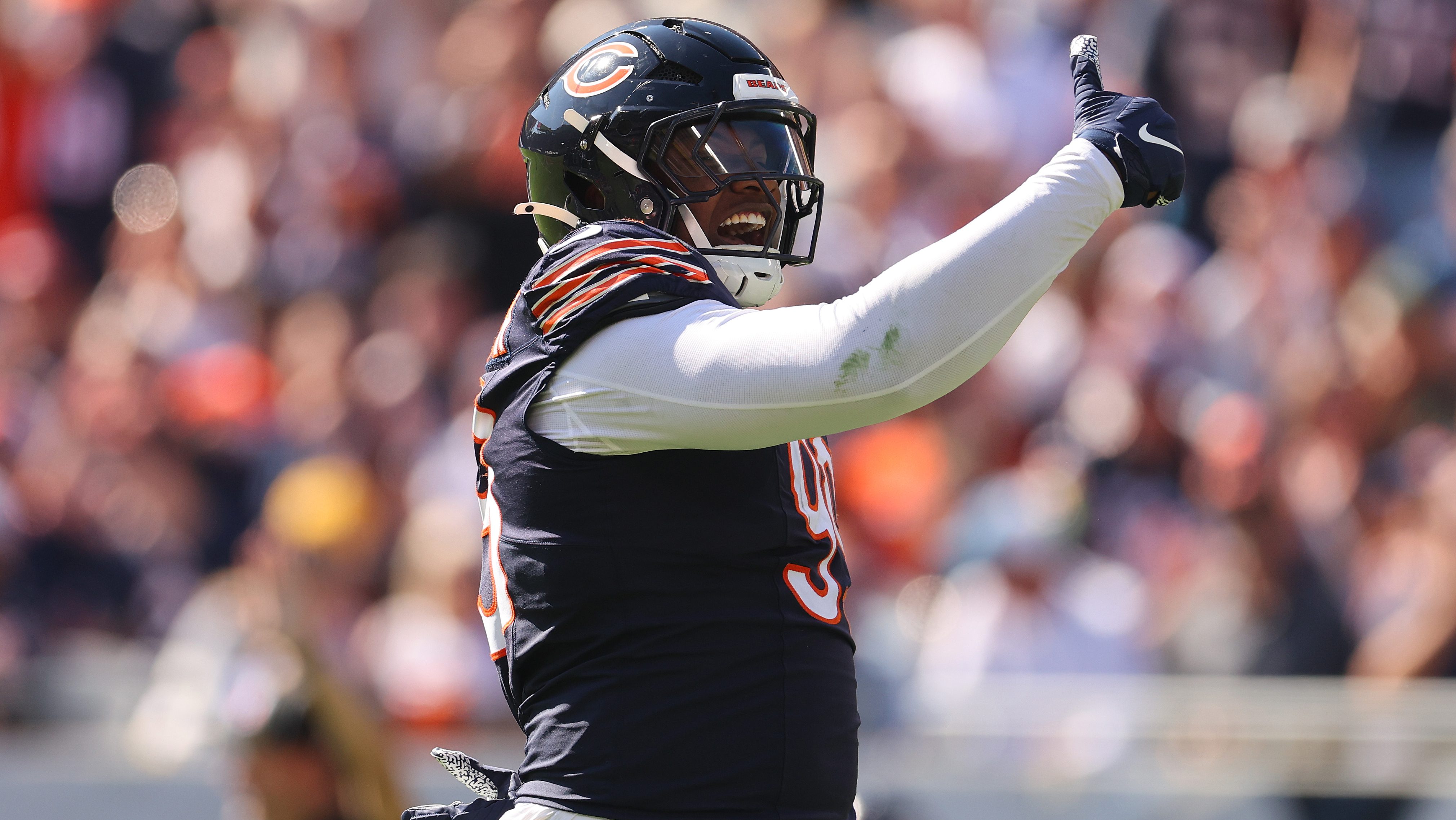
In 2025, Smith-Njigba delivered an extraordinary share of the team’s receiving yardage. He accounted for 44% of Seattle’s receiving yards, a figure highlighted as the highest for a wideout since the 2012 Chicago Bears andBrandon Marshall. That production underscored how the Kubiak system facilitated elite output from Seattle’s top pass targets and allowed Darnold to demonstrate arm talent and mobility, at times masking some erratic decision-making under pressure.
Following Kubiak’s success, Fleury faces the task of maintaining that high level of production. Analysts suggest that following a prolific predecessor is a difficult assignment, and Fleury’s challenge will be to establish his own blueprint while preserving the strengths that allowed Smith-Njigba to excel. Nevertheless, Fleury has already begun implementing adjustments aimed at keeping Seattle’s top players engaged and productive. He also brings insights from his time with the San Francisco 49ers under Kyle Shanahan, where he learned concepts that could enhance Seattle’s attack.
One key approach Fleury is expected to pursue is a more diverse target distribution. Instead of centering heavily on the connection between Darnold and Smith-Njigba, Fleury could emulate Shanahan’s philosophy of rotating leading targets week to week. This approach involves featuring different receivers in different weeks to keep defenses guessing and to maximize mismatches across the field. By spreading opportunities more widely, Fleury can help maintain a dynamic passing attack that leverages Seattle’s depth at wide receiver, including players like Rashid Shaheed, who has shown breakout potential, and veteran receivers aiming to reclaim a central role.
Fleury’s experience with a multi-target approach comes at a time when Seattle can benefit from diversifying its passing game without sacrificing the central role of Smith-Njigba, whose command of the offense remains a critical asset. While the target share for the rookie may ease slightly with a more varied distribution, his involvement in the offense is expected to remain prominent given his production and the trust he has earned from the coaching staff.
In the running game, the Seahawks face additional challenges. Kenneth Walker III, their top big-play threat, still provides a potent rushing element, but replacing the complementary role he enjoyed with last season’s backfield could be a hurdle. Additionally, Walker’s absence due to injuries earlier in the offseason, along with Zach Charbonnet’s recovery from a torn ACL, complicates the start of the season’s ground game. This scenario could push Fleury toward a committee approach, leveraging a rotation of running backs to complement the offense’s passing attack and maintain rushing productivity.
The potential for a more balanced rushing attack aligns with Fleury’s background in Shanahan-style systems, where rotating backs and a blocking scheme that emphasizes versatile looks can sustain efficient ground production even without a single dominant back. Seattle has added depth at running back through free agency and the draft, which could help implement this rotational approach. If executed well, the Seahawks could preserve a strong running game while also maximizing passing efficiency through a more varied target distribution.
Overall, the success of Seattle’s offense under Fleury will depend less on any single personnel change and more on how effectively the new coordinator translates his past experiences into a cohesive, team-focused approach. By spreading touches across a wider group of playmakers and leveraging a versatile rushing attack, Seattle can maintain offensive momentum even as it adjusts to new leadership. The coming season will reveal whether Fleury’s adjustments can sustain the high level of production that defined the Kubiak era and continue to elevate the Seahawks’ offense.