Rui Hachimura’s postseason breakout has reshaped expectations for his free-agent value. He joined the playoffs on an expiring contract but delivered efficient scoring, solid defense, and strong two-way impact that helped stabilize Los Angeles’ lineup. In 10 playoff games, Hachimura averaged 17.5 points, 4.0 rebounds, 1.7 assists, and 1.5 steals-plus-blocks while shooting 54.9% from the floor and 56.9% from three-point range. One standout performance came in the Western Conference semifinals against the Oklahoma City Thunder, where he posted 25 points, five rebounds, two assists, and a four-made-three game in a 115-110 loss that nevertheless underscored his value as a reliable midrange-to-long-range scoring option and a willing defender.
Regular-season output reinforced his standing as a high-efficiency contributor. Hachimura averaged 11.5 points on 51.4% shooting and 44.3% from three, showcasing his ability to space the floor and contribute in multiple facets without demanding a high volume of possessions. Those qualities have translated into rising interest from teams with cap space and a need for versatile forwards who can contribute on both ends.
Industry chatter has intensified around which teams could pursue him in free agency. Among the clubs cited as potential fits are the Brooklyn Nets and the San Antonio Spurs. For the Nets, adding a proven shooter and floor-spacer would align with a broader strategy of surrounding star talent with efficient role players. The Spurs, meanwhile, face a separate roster calculus as they evaluate Harrison Barnes’ future when he hits unrestricted free agency, and they could be keen on bolstering frontcourt scoring and depth.
The Lakers now confront a delicate balancing act. They would like to maintain flexibility to add another starter-caliber piece, potentially at center, while also safeguarding room to re-sign key contributors and remain under the league’s new financial thresholds. Retaining Hachimura presents a strategic choice: applying Bird rights would allow the Lakers to exceed the salary cap to sign him, preserving a valuable asset for the depth and versatility of the rotation. That approach also preserves access to the non-taxpayer mid-level exception, offering a pathway to improve the roster externally if needed.
However, pursuing cap space for a larger contract for Hachimura could complicate the retention plan. If the Lakers choose to create cap room rather than retain Hachimura under Bird rights, the challenge of pricing him out of their reach increases. The franchise would need to weigh the value of keeping a player who fits seamlessly with the current system against the benefits of loading up on additional cap flexibility to target other upgrades.
Beyond Hachimura, the Lakers are scrutinizing several other strategic priorities. The team has been pursuing a starting-caliber center to complement Luka Doncic, reflecting the ongoing effort to improve interior handling and defensive presence. They also remain mindful of long-term financial flexibility to stay competitive and navigate the realities of the NBA’s tax structure and apron thresholds. These considerations influence decisions around contracts, extensions, and potential trades, as the organization evaluates how best to balance immediate on-court impact with sustainable roster construction.
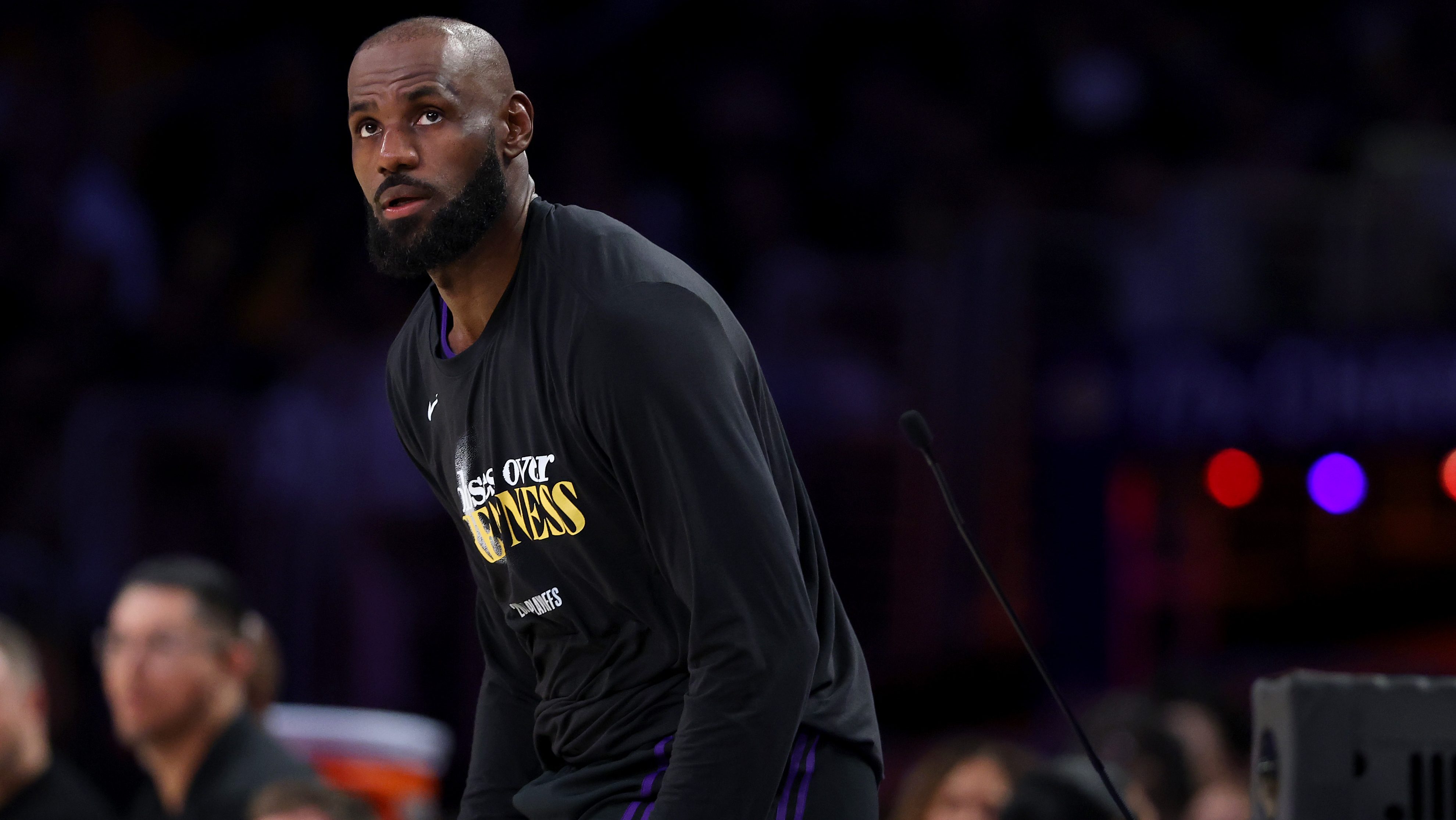
The offseason landscape also presents questions about the composition and chemistry of the Lakers’ core. LeBron James and other veterans factor into long-term planning, while younger players and role contributors will influence the team’s ceiling. Maintaining balance between win-now targets and future flexibility is essential, particularly as the league continues to see rapid shifts in player movement and contract dynamics.
As teams across the league assess free agents, Hachimura’s market emerges as a central storyline for the Lakers. His playoff performance, combined with his steady regular-season efficiency, positions him as one of the more valuable wings available in this year’s market. Whether Los Angeles decides to match market value and retain him or to allocate resources toward other needs will hinge on a combination of cap considerations, the perceived fit within the team’s offensive and defensive schemes, and the broader strategic direction of the franchise.
In summary, the Lakers’ offseason priorities are anchored by two themes: upgrading frontcourt defense and interior scoring with a starting center, and determining the best path to preserve a flexible, competitive roster around star talent. Rui Hachimura’s pending free agency adds a new layer of complexity, as his value has risen considerably after a standout postseason. The choice the organization makes regarding his contract could become one of the defining decisions of the summer, influencing not only the roster’s immediate dynamics but also its long-term trajectory in the pursuit of a championship-contending squad.