The Waddle trade created a sizable opening in Miami’s wide receiver corps. Rather than pursuing a marquee free agent or using two early-round picks to replenish the depth, the Dolphins opted for a more cost-efficient, incremental approach. The plan was to add several veterans who had previously been high draft selections and hope one or more would flash the potential needed to become a frequent contributor.
The Dolphins brought in veteran options on affordable contracts: Tutu Atwell, Jalen Reagor, and Terrace Marshall Jr. Each arrived with a pedigreed draft profile—multiple players who had shown flashes of high-end potential earlier in their careers. The strategy, in theory, was to cultivate competition and depth, giving Willis multiple targets with different skill sets and ensuring the offense retained speed and space-based threats even with Waddle no longer on the roster.
However, a notable projection from a respected NFL analyst has begun to shape expectations about who ultimately makes the final 53-man roster and who may unexpectedly miss the cut. The analyst suggested that one former second-round pick, despite having notable draft pedigree, could fail to secure a spot on the roster. This kind of assessment underscores the uncertainty surrounding the Dolphins’ receiver group, which now includes players who have drawn early-round buzz but have not consistently delivered at the pro level.
Within the broader roster conversation, a few specifics stand out. The veteran signings bring a mix of speed, route-running ability, and return prowess, along with potential developmental upside. Atwell brings dynamic speed and punt-return experience, Reagor offers versatility and athleticism, and Marshall, a former second-round pick, brings size and a background of competing at a high level in college. The blend is designed to provide Willis with a range of options—deep speed, slot and outside routes, and a contested-catch presence at the boundary.
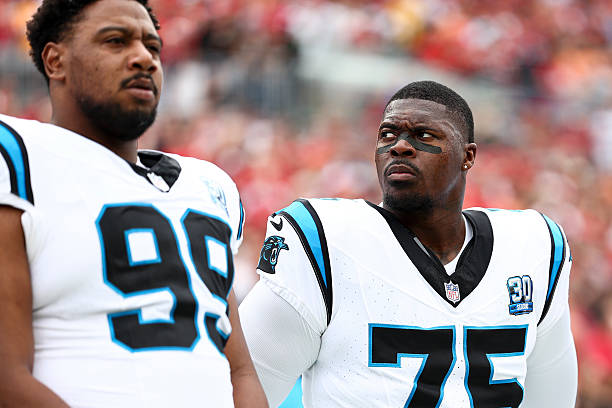
The discussion around Terrace Marshall Jr. is particularly noteworthy given his career trajectory. Drafted in the second round in 2021 by the Carolina Panthers, Marshall came from an LSU receiving corps that produced elite players such as Ja’Marr Chase and Justin Jefferson. In the NFL, Marshall’s production has been uneven. His best NFL season came in 2022, when he accumulated 490 receiving yards on 28 catches, averaging 17.5 yards per reception. Across three seasons with the Panthers, he did not deliver the expected production and later spent time with other franchises in attempts to latch onto a new opportunity. His path has included stints with the 49ers, Raiders, and Eagles, and he did not appear in regular-season action for the Eagles in 2025, instead spending time on a practice squad. This background makes his ultimate role with the Dolphins more uncertain but also illustrates the high-variance nature of wide receiver development in the league.
Given the offseason roster construction and Willis’s arrival, the Dolphins’ 2026 receiving corps is a study in potential versus proven production. The veteran additions are intended to bridge the gap left by Waddle’s departure and to provide the quarterback with multiple alignments and matchup advantages. The group is designed to be flexible: capable of operating from the slot, outside, or as part of a multi-receiver sets that stress defenses with speed and anticipation.
From a strategic standpoint, Willis’s effectiveness will hinge on how quickly the new receivers grasp the offense, develop chemistry with him, and win against press coverage and complex zone schemes. The coaching staff’s ability to unlock the strengths of Atwell, Reagor, and Marshall Jr.—while ensuring Achane’s rushing threats remain an integral element—will be essential. The Dolphins can leverage tempo, misdirection, and RPO concepts to maximize the quickness and decision-making of their quarterback, turning a potentially inexperienced unit into a cohesive, playmaking group.
In the broader context of the 2026 season, the Dolphins’ success will depend less on any single receiver and more on how the corps functions as a collective. If Willis can consistently distribute targets and make accurate throws on time, the Dolphins could still maintain a high-octane offense that stretches the field and creates explosive plays. The presence of a versatile back like Achane, combined with the speed and route-running potential of the newly added receivers, should give Miami the personnel to attack defenses in multiple ways.
Fans and analysts will be watching closely to see which players seize the opportunity and establish themselves as trusted primary options for Willis. The outcome will not only define the Dolphins’ passing game for the season but also influence the team’s overall approach to play-calling, opponent preparation, and in-game adjustments. The 2026 campaign presents a clear path: a fast, matchup-driven offense that relies on well-rounded receivers who can create separation, win contested catches, and contribute as blockers in the running game.
As the offseason program continues, the Dolphins’ wide receiver room remains a key area to monitor. The decisions made over the next few weeks will determine which players help Willis maximize his skills and which ones will need to wait for another opportunity to prove themselves at the professional level. The focus will be on developing chemistry, improving consistency, and capitalizing on the speed-first approach that has defined the team’s strategy for the upcoming season.