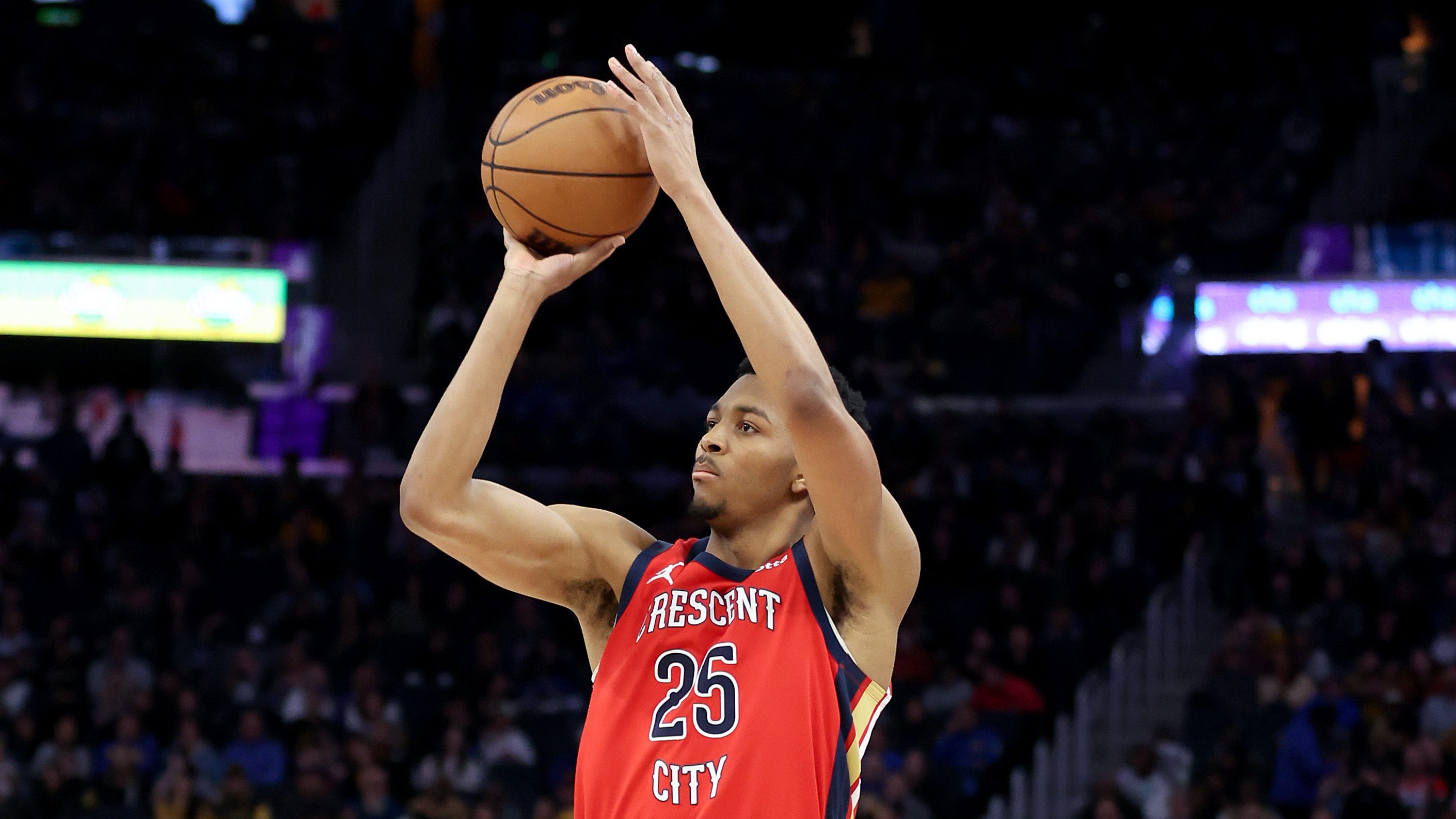
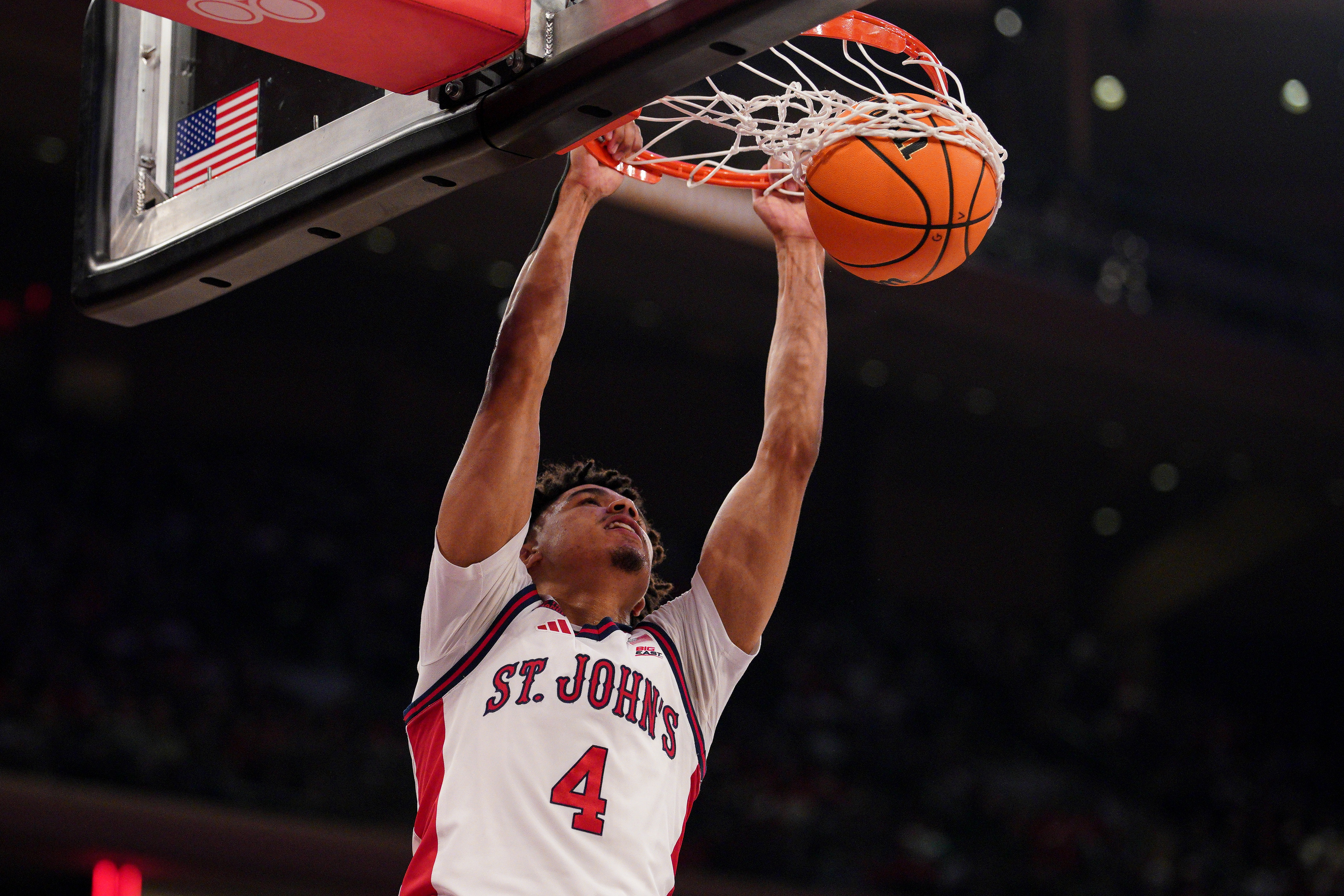
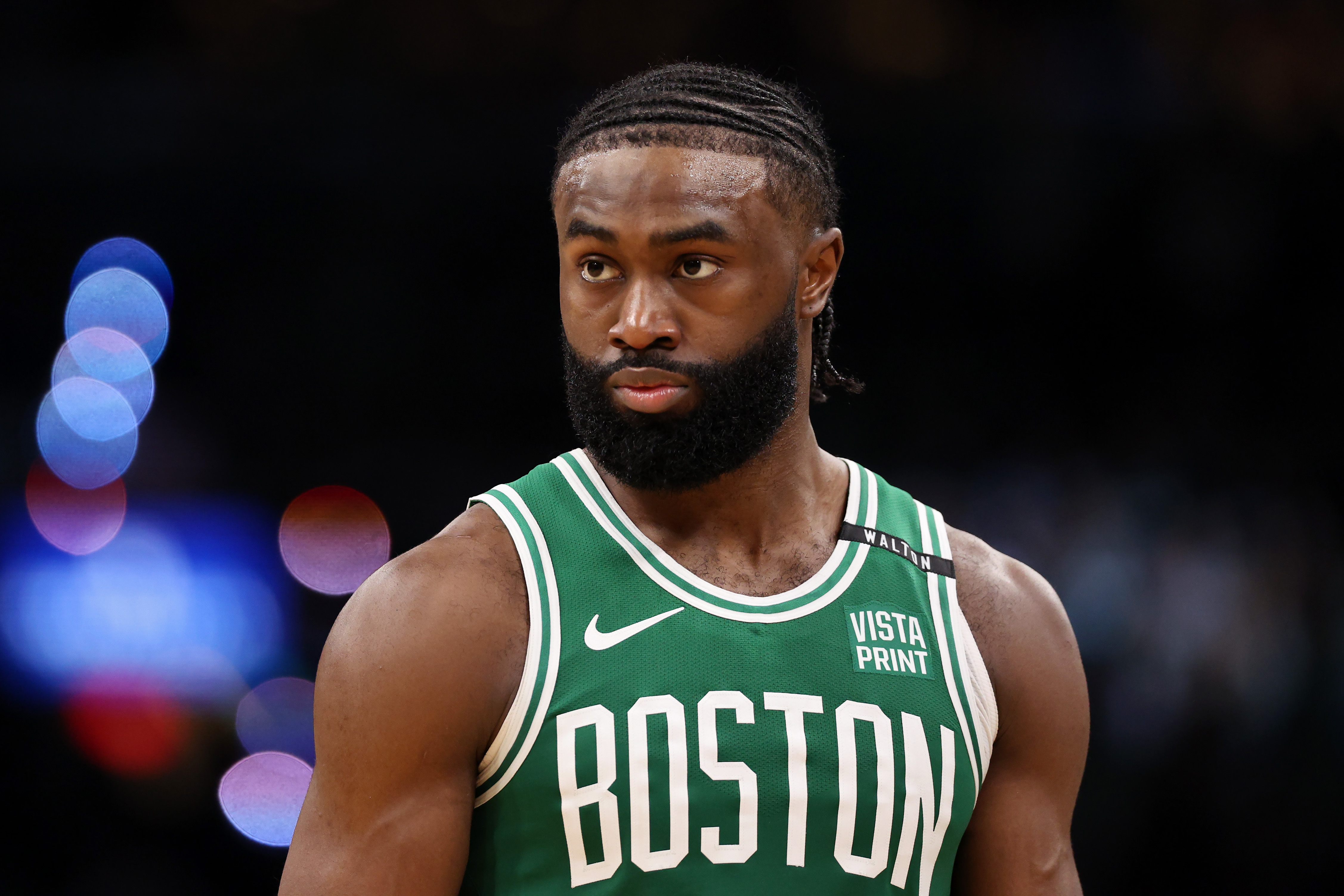
This moment is more than a show of camaraderie. It underscores a genuine cross-cultural connection that resonated with fans in New York and beyond. Towns, who has consistently celebrated his Dominican heritage throughout his career, and Alvarado, a Brooklyn native with Puerto Rican and Mexican roots, embodied the kind of diversity that makes the NBA feel personal to communities across the city. Their friendship extended beyond the court and into the broader basketball culture of the region, where Dominican and Puerto Rican communities have long shared a profound love for the game.
The post arrives as a full-circle nod to a pivotal Finals moment. Alvarado played a crucial role in igniting a remarkable Game 4 comeback against the San Antonio Spurs, a performance that sparked laughter at a press conference when Towns joked about the Dominican-Puerto Rican dynamic. The line, delivered with a smile, highlighted the playful rivalry between two Caribbean nations and, more importantly, showcased Towns’s admiration for Alvarado’s competitive spirit. He described Alvarado as someone who not only rises to the moment but also uses his emotional intensity to his advantage. Towns called him a special player, noting that Alvarado’s passion fuels his game rather than derails it.
Alvarado’s impact extended beyond that finals moment. The 28-year-old guard averaged 6.6 points, 3.8 assists, and 1.0 steal over 28 regular-season appearances after being acquired from the New Orleans Pelicans at the trade deadline. He quickly became a trusted reserve for head coach Mike Brown during the playoffs, contributing as a ball-handling option behind a primary playmaker like Jalen Brunson. His presence provided the Knicks with depth and versatility, especially in high-pressure late-game situations where decision-making and pace matter.
The contract confirmation also has practical implications for the franchise. Securing Alvarado on a multi-year deal helps sustain the Knicks’ depth while preserving salary-cap flexibility under the NBA’s financial framework. This balance is especially important as teams navigate the so-called “second apron” and other revenue-related constraints, ensuring that the squad can maintain competitive continuity without compromising long-term financial health.
Towns’s reaction speaks to more than just appreciation for a teammate. It highlights the role sports can play in bridging cultures and communities. Alvarado’s Puerto Rican roots and his ties to a broader Latinx heritage have helped him connect with fans who see in him a representative figure of resilience, hard work, and passion. Towns’s acknowledgment via social media signals mutual respect and a shared sense of pride in their backgrounds, which has helped elevate the Knicks’ narrative beyond wins and losses.
In the weeks and months ahead, the Knicks will continue to build around a core that blends high-level talent with a sense of identity and community. Alvarado’s return ensures a stable backcourt presence that can help manage games, pace, and defensive assignments as the team looks to defend its title and push deeper into the postseason. For Towns, the gesture reinforces his commitment to teammates and his appreciation for the international flavor that makes the roster vibrant—the kind of chemistry that can sustain momentum through the grueling and rewarding grind of an NBA season.
Beyond the headlines, this moment encapsulates the broader story of a championship culture that thrives on unity, personal connections, and the shared joy of success. The Dominican-Puerto Rican bond between two teammates has become part of the Knicks’ identity—a reminder that basketball stories can transcend the court and inspire communities far and wide. As Alvarado remains with the team for the coming years, his influence, coupled with Towns’s supportive show of solidarity, will continue to shape the narrative around a franchise that prides itself on both performance and camaraderie.