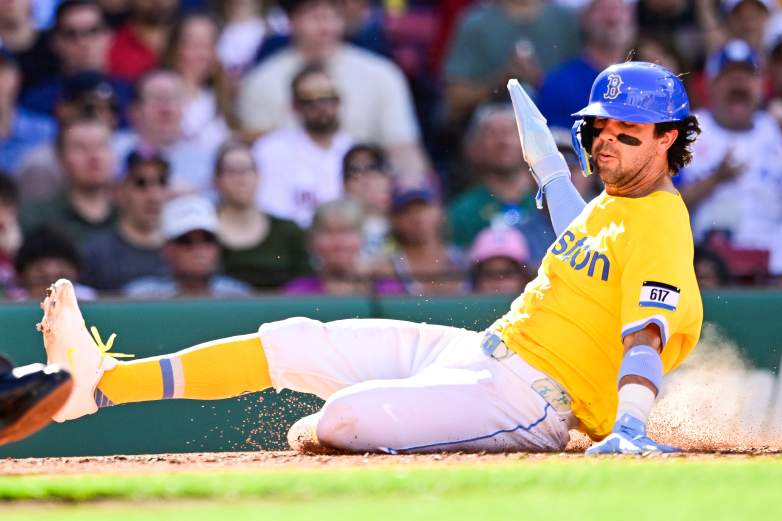
Interest has already begun to surface from other clubs. Reports have indicated that the Arizona Diamondbacks have taken a look at Duran as a potential asset who could help address a need for left-handed power in their lineup. Mock trade scenarios in the public sphere have suggested a blockbuster-style swap that would send Duran to Arizona in exchange for a young shortstop with high upside. In these scenarios, the Diamondbacks would receive Duran, while the Red Sox would acquire a top prospect who could help shape the club’s long-term outlook.
The core question surrounding such a deal centers on fit and timing. Duran, who is in his prime window and under club control for multiple seasons beyond 2026, represents a tantalizing asset for a team seeking both immediacy and upside. A swap for a top-level shortstop would offer Boston the chance to inject a dynamic player into the infield and potentially recalibrate its lineup with a right-handed bat complementing the prevailing left-handed heavy profile in the outfield. For the Diamondbacks, acquiring a left-handed hitter with speed and on-base ability could bolster their offense as they push for a postseason berth.
From a strategic standpoint, a deal that involves Duran would likely hinge on whether the Red Sox view the receiving player as a long-term building block rather than a short-term fix. The Red Sox would be contemplating not only the current season but also how the acquisition might affect the remainder of their competitive window. For example, a young shortstop who can handle both the middle infield and corner outfield duties could provide flexibility as the roster evolves. If such a prospect can contribute immediately and grow into a cornerstone piece, Boston could justify moving Duran given the team’s overall trajectory and the need to strengthen the right side of the lineup and infield defense.
Injury concerns and health status also factor into any potential trade calculus. If a target player has tracked a history of durability and position versatility, the Red Sox front office would weigh those traits against Duran’s own ceiling and current production. The ideal return would balance immediate impact with long-term value, giving Boston a pathway to sustained competitiveness while preserving financial and organizational flexibility.
Despite the speculation, Boston remains in a precarious position. The club has shown competitive potential at times, but consistency has eluded them, and the standings reflect a tough reality: the path back to contention requires both improvement and strategic moves. The Red Sox sit near the bottom of their division and have endured stretches of slumps and underperformance, underscoring why the trade deadline could bring significant activity.
If Boston does decide to pursue a deal centered around Duran, it will be essential for the team’s evaluators to articulate a clear plan for how the acquired talent fits into the broader roster construction. The best outcomes would involve a productive integration into the lineup, with the new piece contributing both offensively and defensively to help stabilize a roster that has shown flashes but not consistent success.
Looking ahead, the trade market remains fluid. The Red Sox will need to weigh the value of maintaining a well-rounded, young player base against the urgency of loading up with a proven contributor who can accelerate the team’s return to postseason contention. Any decision will likely hinge on the availability of a high-impact asset that aligns with Boston’s strategic goals and cap structure, as well as the willingness of another club to part with a blue-chip prospect in exchange for Duran.
As the season progresses, fans and analysts will continue to monitor not only Duran’s performance but also the broader trade ecosystem. The Red Sox’s choice will reflect a balance between short-term competitiveness and long-term rebuilding, with the potential to reshape the team’s trajectory for the coming years.