The summer window has already seen substantial activity around elite midfielders, with Manchester City reportedly nearing a record-breaking £130 million deal for Elliot Anderson from Nottingham Forest. The financial scale of that transfer underscores how quickly the market has shifted and how much upward pressure exists on prices for top-tier midfield talent. If City press ahead and complete the move, it could set a high-water mark that reverberates through the market, influencing valuations for other clubs and potentially driving up asking prices for players like Nmecha.
For Manchester United, the ripple effect of such megadeals is twofold. On one hand, it signals that top-tier midfield reinforcements will not come cheaply, challenging United’s own cap on spending and prompting strategic decisions about how to allocate resources. On the other hand, it creates a pressurized environment where other clubs—West Ham, Bournemouth, and their rivals—may set higher asking prices for players they see as potential bargains in a crowded market. This dynamic could stretch United’s reported plans and resources, even if they maintain a robust transfer budget.
Among the names generating interest in United’s midfield recruitment are Felix Nmecha, the Borussia Dortmund midfielder who has drawn attention from multiple top clubs in Europe. Reports indicate that United are actively pursuing him, with discussions reportedly ongoing between United’s recruitment team and Nmecha’s representatives. The interest places Nmecha in a pool alongside other major clubs such as Manchester City, Liverpool, and Real Madrid, illustrating the level of competition for a player the club believes could provide both immediate impact and long-term value.
Nmecha’s ties to Greater Manchester add an intriguing personal dimension to the potential move. He spent formative years in the area, growing up in Wythenshawe, and trained within the Manchester City academy system alongside his brother Lukas Nmecha, who is now with Leeds United. This background could ease a potential relocation back to the North West, should a transfer materialize. While the personal connection is compelling, the primary consideration for United will be on-field impact, consistency, and the ability to integrate into Ole Gunnar Solskjaer’s or his successor’s tactical setup.
Price is a recurring talking point in this saga. The reported figure around Nmecha’s potential transfer is high, with estimates suggesting a price in the mid-to-high eighties millions. As with any transfer, the final fee depends on a range of factors, including contract length, add-ons, and the asking price set by Dortmund. World Cup performances and recent international outings typically influence a player’s market value, and Nmecha has delivered standout moments on the global stage that could lift his profile and, consequently, his price tag. A successful World Cup campaign can boost a player’s perceived value and reaffirm a club’s confidence in their ability to contribute at the highest level.
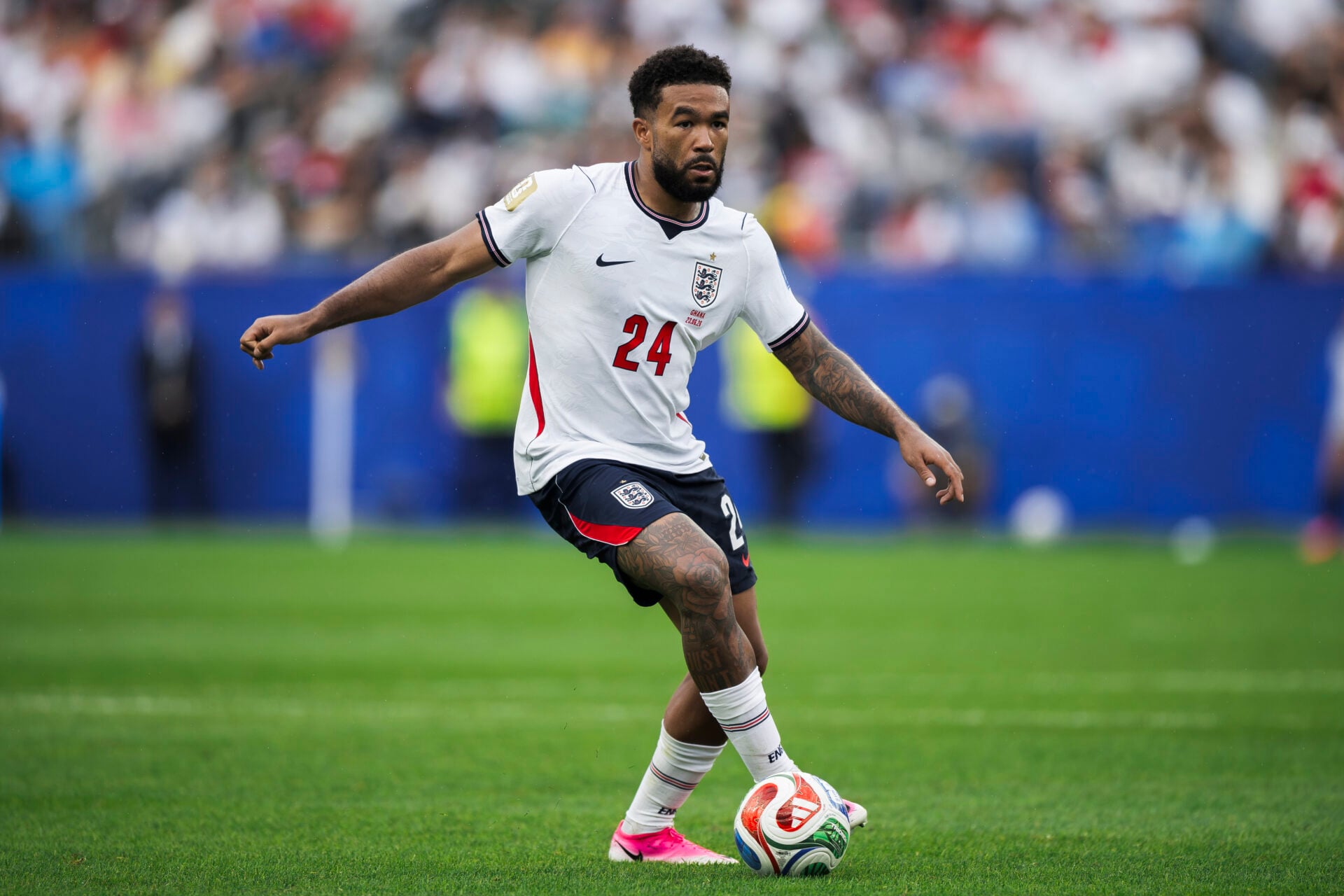
Nmecha has impressed in international duty, particularly during the World Cup, where he has demonstrated a blend of tactical intelligence, ball progression, and defensive discipline. In midfield battles against teams such as Curacao and Côte d’Ivoire, he has shown the ability to win duels, execute timely tackles, and transition the ball effectively. His range of movement—often described as having “octopus-like” reach—allows him to cover extensive ground, contributing both to ball recovery and forward play. His technical versatility and pace make him a compelling option for a team seeking to add dynamism and drive from the middle of the park.
Critics will note that no player is perfect, and there are areas for refinement in any emerging star. Nmecha’s performance against stronger opposition has occasionally revealed gaps, and managers will want to ensure he can impose himself consistently across different tactical systems and leagues. For United, the potential acquisition would need to align with a clear plan for midfield balance, ensuring that any new signing can contribute to pressing without overextending the squad’s resources or compromising defensive solidity.
From a strategic standpoint, integrating Nmecha would require careful consideration of how he fits alongside existing midfielders and how his arrival would influence the club’s ongoing plan to rebuild the spine of the team. Any transfer would likely involve negotiations around development projects, game-time expectations, and the role the player would assume in both domestic and European competitions. For United, the aim would be to secure a dynamic, technically proficient midfielder capable of sustaining pressure, progressing circulation of the ball, and linking play between defense and attack.
In summary, Felix Nmecha has emerged as a serious option in United’s broader midfield shopping list, positioned among a competitive field that includes a range of established names and rising talents. While the financial climate around transfers this summer remains intense, United appear to be actively exploring options that could yield long-term value and help accelerate their push toward domestic success and European ambitions. As always, the final decision will hinge on a careful assessment of fit, potential, and the ability to deliver consistent performance at the highest level.