The scale of last year’s investments sits at a staggering level, with around £460m spent to reshape the squad. Yet, even with high-profile names on the books—such as Virgil van Dijk, Florian Wirtz, and Alexander Isak—the makeup of the squad shows that certain roles are still under-resourced. High-caliber performers are present, but the balance and depth required for a sustained title push are not yet fully realized.
One of the central tasks for Iraola is stabilizing the backline while ensuring there is appropriate cover in midfield and attack. A notable wrinkle in the club’s long-term planning is the looming question of contract expiry and the potential departures of established stars. Key players, including Mohamed Salah and Andy Robertson, could leave on free transfers in the near future, which would demand swift pursuit of viable replacements or contingency plans. In defence, the need for a reliable defensive midfielder remains, and there are clear ambitions to reinforce both the centre-back and right-back positions as the club navigates the uncertainty created by the departures of Ibrahima Konaté and Trent Alexander-Arnold to Real Madrid. The recruitment strategy will thus need to be two-pronged: immediate impact players who can settle quickly, plus longer-term bets who can grow into Liverpool’s system.
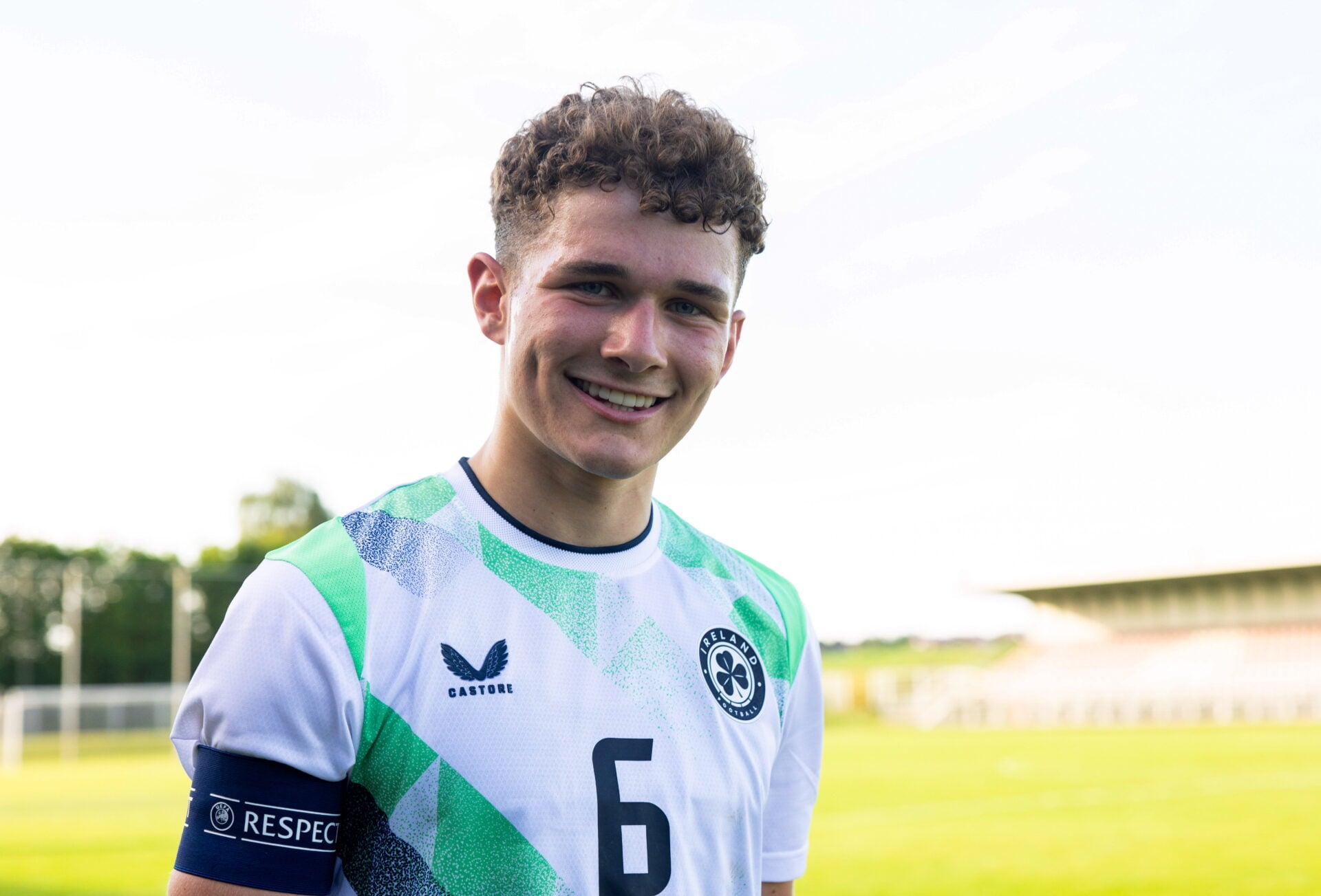
Two confirmed summer signings have already signaled the club’s intent. First, a major deal with Rennes was completed for a striker-minded forward, with a £60m agreement expected to bring Jeremy Jacquet to the club in July. This addition signals a willingness to bolden the attack and add another dimension to the frontline. In parallel, Liverpool have wrapped up a rapid-fire capture of Victor Muñoz from Osasuna, with the understanding that the Spain international will arrive later in the summer after fulfilling international duties. These moves illustrate the club’s approach of blending immediate reinforcement with longer-term planning, ensuring Iraola has options to rotate and build depth across the squad.
As the transfer window progresses, the focus remains on filling remaining gaps. Two experienced, trusted voices from the football media scene have outlined a plausible, multi-pronged plan for Liverpool’s summer window. A veteran journalist on a well-known football podcast suggested a six-piece strategy: potentially adding two more attackers, two midfielders, and one more defender. The rationale is straightforward—if the club offloads or reshapes certain asset positions (for example, if Cody Gakpo or others leave in a future transfer window), there could be room for broader reinforcement to maintain balance across the attack and midfield. The overarching message is that a comprehensive squad refresh is not only possible but likely, given the scale of changes already underway.
Another respected analyst has highlighted Liverpool’s intent to bolster the attacking corps, specifically outlining the aim of having a quartet of high-quality wide players. Iraola’s system would benefit from rotational options to prevent fatigue and maintain intensity across a demanding campaign. In this scenario, the plan could see at least four players competing for the wide spots, ensuring versatility and depth in the options available to the manager.
The transfer strategy also appears to be mindful of the need to support the central creative spine. If the club completes certain deals (for instance, a potential signing from the Ivory Coast or other creative midfield catalysts), Liverpool could feature a blend of Ngomoha, Muñoz, and Gakpo in attacking midfield departments, with a focus on reliable cross-field supply and options for cutting inside to unlock defences. The aim is to preserve a high-tempo, high-pressure approach while ensuring there is enough variation in a front-line that can keep opponents guessing.
Amid the ongoing transition, Iraola will require space to implement his ideas. This is not a season for rapid-fire triumphs, but rather for re-establishing the club’s identity and ensuring the squad responds to fresh tactical concepts. The fans and stakeholders will be hoping for a return to the competitive edge that characterized Liverpool’s best teams, but the objective will be to arrive at a point where the playing style is clearly recognizable and sustainable.
Critically, Iraola will need time to embed his methods, assess the squad’s capabilities, and integrate new signings with the existing core. The previous era under Slot faced scrutiny regarding the team’s work rate and resilience, and while those criticisms may fade under a new manager, the test for Iraola will be to translate his philosophy into consistent results across a demanding schedule. History suggests that a patient, structured approach can yield long-term benefits, and Liverpool will be hoping that Iraola’s tenure begins a period of stability and growth rather than a stop-start cycle of reassessment.
In summary, the plan for Liverpool this summer is to complete a substantial refresh that complements Iraola’s tactical vision. With two confirmed arrivals already in place, and the potential for several more moves across attack, midfield, and defence, the club is laying the groundwork for a more balanced, adaptable team. The road ahead will require careful squad management, smart recruitment, and a clear articulation of the playing style that fans can rally behind. If Iraola can successfully implement his approach and get the best from a reconfigured group, Liverpool could re-emerge as a formidable force in the domestic league and in European competitions.