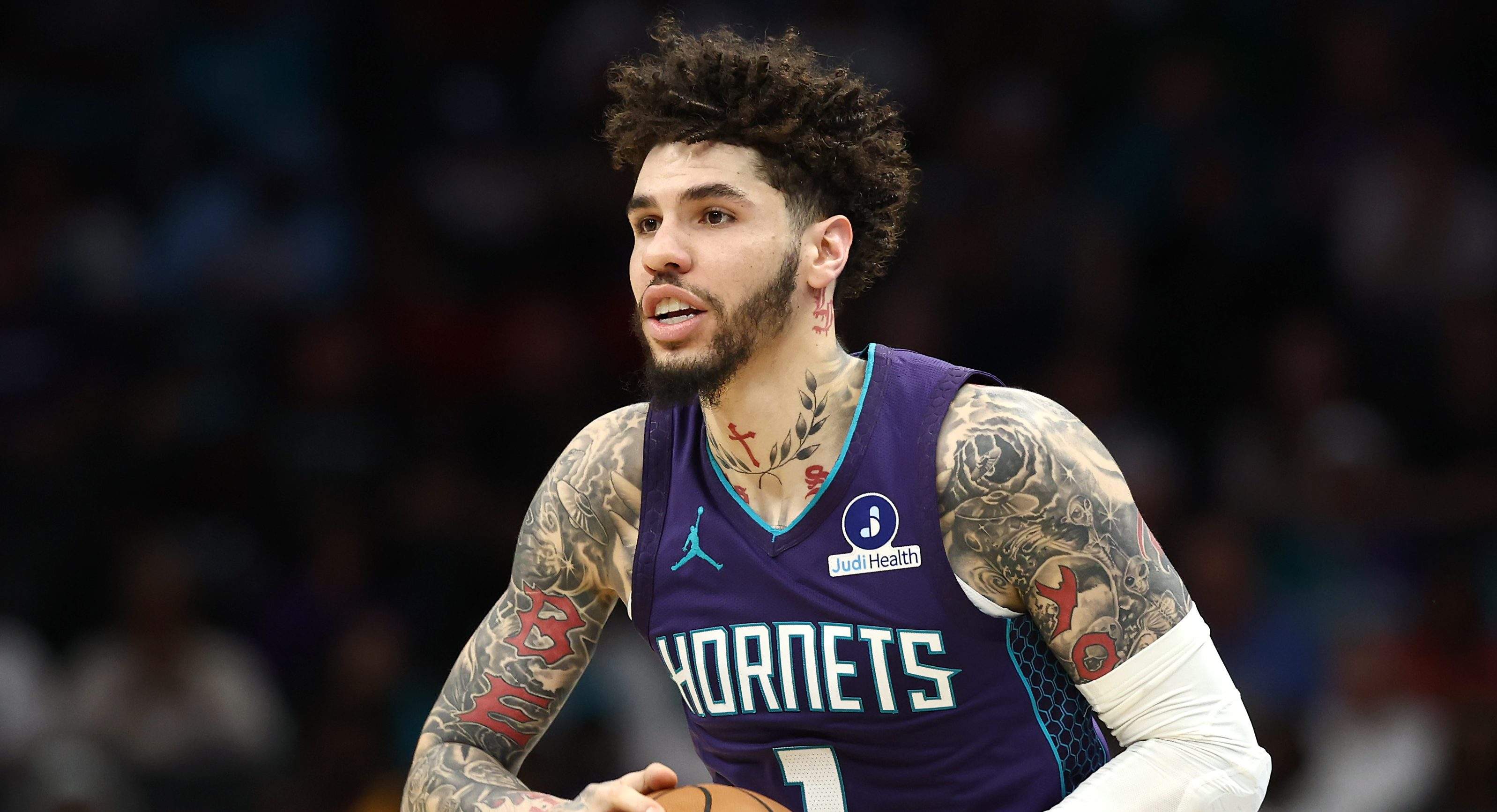
In the wake of LaMelo Ball being traded away from the Charlotte Hornets to Minnesota, Ball publicly lauded the Timberwolves for taking a significant step by acquiring LaMelo. Yet he didn’t stop there. He then laid out a provocative plan: he urged Minnesota to pursue a broader Ball family reunion by bringing Lonzo Ball and LiAngelo Ball onto the roster as well. In a social post, Ball credited Minnesota with making a “coldest move in the game” by obtaining LaMelo, while insisting that the addition of the other two Ball brothers would unleash a championship-level dynamic for the team.
The idea, while certainly headline-grabbing, raises several practical questions. At the top of the list is roster composition and team fit. Minnesota already has a guard-focused backcourt lineup, featuring established players who can handle ball-dominant roles and facilitate the offense. Adding multiple siblings with different styles and prior pro experiences would require careful integration to avoid redundancy and ensure that minutes are allocated efficiently. It’s not just about talent; it’s about chemistry, role definition, and long-term salary considerations in a cap-constrained league.
From a front-office perspective, the Timberwolves face a more immediate priority: shoring up the frontcourt. A recent trade move sent Julius Randle away to the Brooklyn Nets in exchange for a second-round pick, while Naz Reid was acquired from the Hornets as part of LaMelo Ball’s deal. Those moves created a noticeable gap in the frontcourt rotation that Minnesota would need to address. The team must balance the need for interior presence, rebounding, and rim protection with the guard-heavy depth that currently exists.
LaVar Ball has consistently positioned himself as a tireless advocate for his sons, emphasizing the potential for all three Ball brothers to play together at the highest level. He argues that their collective speed, chemistry, and willingness to sacrifice individual accolades for team success could transform any roster into a championship contender. According to his comments, he believes the impact would be felt immediately, regardless of whether each brother comes off the bench or steps into a starting role. He asserts that the Ball trio would elevate team morale and on-court efficiency, turning perceived weaknesses into strengths through relentless ball movement and shared responsibility.
However, the likelihood of such a reunion materializing in Minnesota is uncertain. Teams must consider salary cap implications, the fit with current stars, and the overall long-term strategy. Even if all three Ball brothers were available at favorable terms, general managers would need to weigh whether the added continuity and basketball IQ would translate into winning outcomes and sustainable success. It’s a big-picture decision that goes beyond a single season’s window and into the realm of franchise-building philosophy.
Looking ahead, the Timberwolves’ offseason strategy appears to focus on tightening the roster to address specific gaps, particularly in the frontcourt. Whether the team pursues veteran presence, versatile forwards, or a true post threat, the objective remains clear: create a balanced, playoff-ready squad that can contend in a competitive conference. Any potential pursuit of more Ball family talent would likely hinge on a broader strategic framework, not just a burst of star power, ensuring alignment with the team’s development plan and financial constraints.
LaVar Ball’s public push underscores a broader trend in professional sports: the influence of player-family narratives on team-building conversations. While such narratives can spark excitement and fan engagement, decisions at the executive level must remain grounded in data, contracts, and long-range competitive goals. The Timberwolves’ path forward will depend on measured assessments of how to optimize on-court fit, depth, and championship viability, rather than on sensational headlines alone.
In summary, LaVar Ball has reignited discussion about the ball-family’s potential impact on an NBA roster through bold commentary and provocative proposals. While fans may enjoy the spectacle and the speculative excitement, actual roster changes will hinge on strategic considerations, salary realities, and a coherent plan for sustained success. The Timberwolves are likely to stay aggressive in addressing their roster needs in the coming weeks, aiming to strengthen their frontcourt and overall depth while navigating a complex offseason landscape.