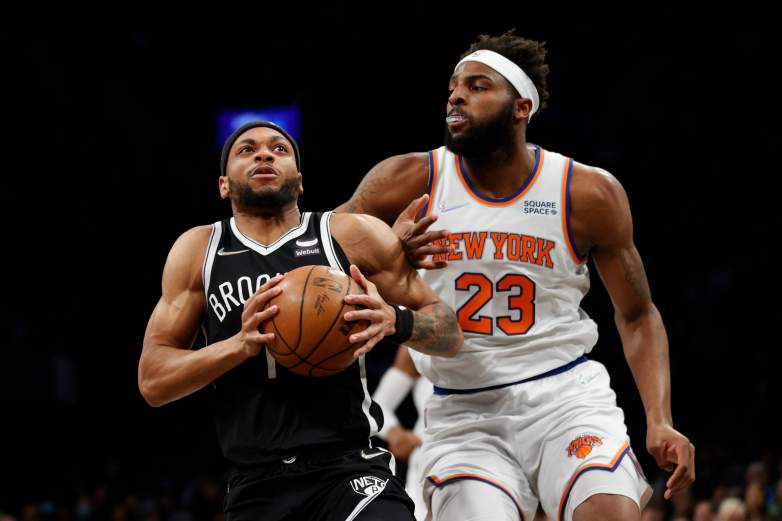
However, the Pistons hold significant leverage in this scenario. Restricted free agents typically have limited bargaining power, as the original team can match external offers. An executive from the Western Conference noted that after early July, restricted players often see offers dwindle, leaving the incumbent team in control. This dynamic means minimal movement is likely unless a compelling sign-and-trade framework emerges and both sides agree to it. For teams eyeing Duren, patience and realistic expectations are essential because a swift exit from Detroit remains unlikely.
On the guard front, several notable names dominated early discussions in the free-agent market, with substantial value placed on versatility, playmaking, and shooting. Austin Reaves, entering the market with strong performance, was projected to command a five-year deal around $220 million, though he ultimately secured a new pact with his original team after drawing outside interest. James Harden was linked to a potential two-year contract around $60 million, with some rumors suggesting a handshake deal contingent on opt-outs, though any agreement would hinge on broader organizational decisions and off-court circumstances. Trae Young, who had drawn significant attention, eventually inked a new contract with his team, signaling confidence in his continued fit and value.
Ayo Dosunmu, viewed as a rising guard, secured a multi-year deal after a standout season, reflecting the market’s appetite for young, high-upside guards. Coby White followed with a substantial agreement, highlighting the ongoing trend of teams investing heavily in guards who can create offense and provide efficient scoring. CJ McCollum and Collin Gillespie also featured prominently, with McCollum opting for a shorter-term arrangement that appealed to the pursuing team, while Gillespie signed a longer deal after a breakout year and a noteworthy shooting profile. Other guards received attention as well, including channels to teams seeking depth and defensive versatility.
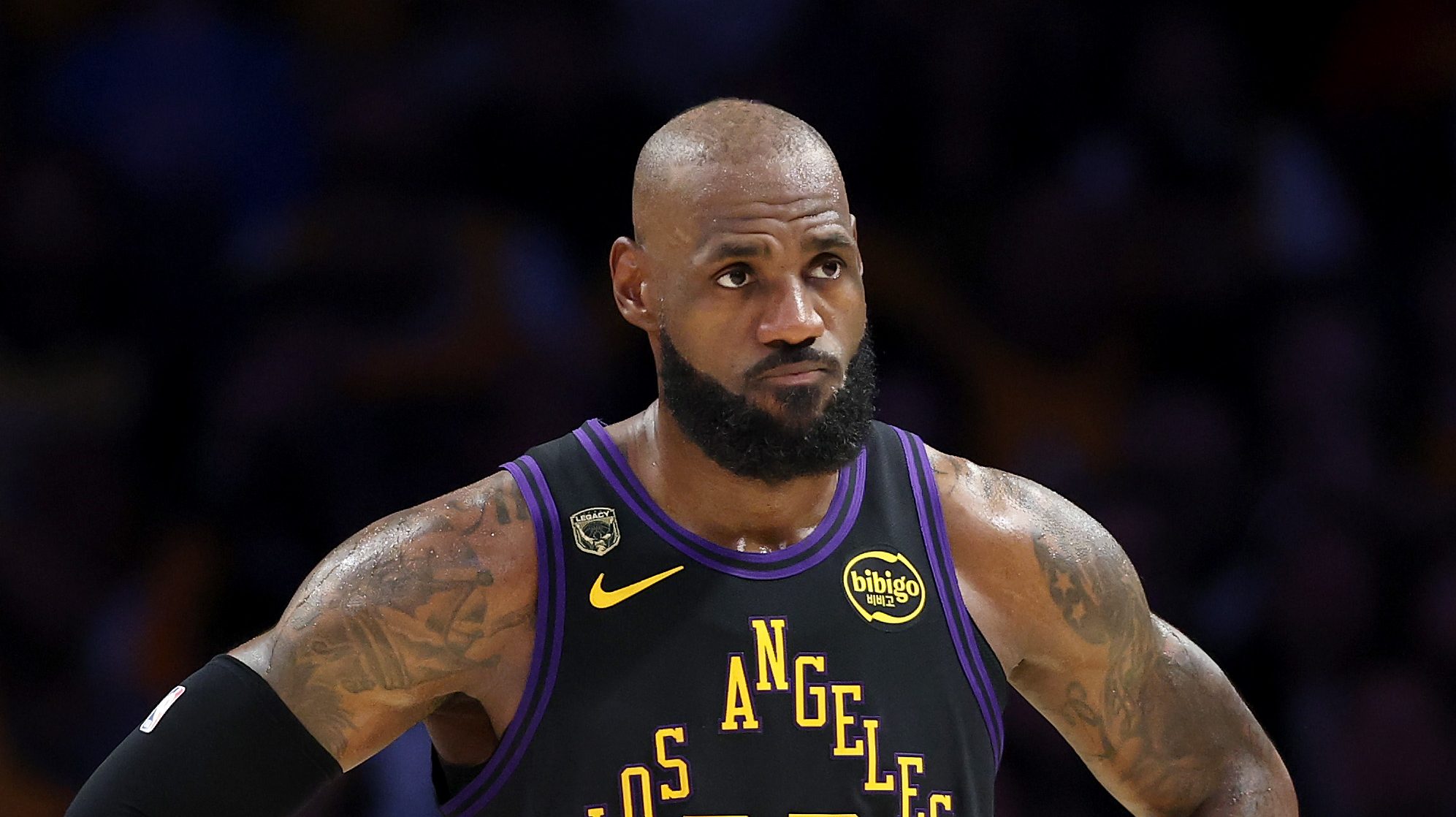
In the forward category, veteran stars and emerging talents remained at the center of speculation. LeBron James posed a multifaceted decision about continuing his playing career, location, and contract length, with expectations that he would return to the Lakers given his long-standing relationship with the franchise and the role he envisions for himself. Young wing players like Lu Dort and Norman Powell drew interest, with Dort potentially unlocking opportunities for teams needing a two-way presence, though his future depended on how teams value his contract prospects relative to cap space. Tari Eason of the Rockets and Andrew Wiggins of the Heat represented other high-profile cases, illustrating the market’s emphasis on multi-dimensional wings who can contribute on both ends.
Tari Eason was reported to have turned down substantial early offers, signaling that restricted free agency would still present opportunities for teams with cap flexibility to secure top-tier potential value. Andrew Wiggins, with a potential path to a larger deal, remained a focal point for teams seeking veteran two-way impact players, though existing player options and market dynamics would influence the final decisions.
The market also spotlighted several centers, where teams weighed the potential impact and health considerations of big men. Jalen Duren remained a key figure for Detroit, with the Pistons seen as intent on keeping him if a market offers as yet do not oppose their valuation. Walker Kessler emerged as a premier restricted free agent candidate, with interest from multiple teams who could present robust outside offers. Other centers, including Deandre Ayton, Mitchell Robinson, Kristaps Porzingis, and Nikola Vucevic, drew attention for different reasons—ranging from fit and role expectations to health and contract structure. The center market was characterized by a balance between teams seeking proven production and others prioritizing long-term cap flexibility.
In all, the 2026 summer free agency period underscores how quickly plans can shift around restricted free agents and marquee veterans alike. While several players drew interest from multiple teams, the ultimate outcomes hinged on cap space, negotiated terms, and the willingness of incumbent teams to match external offers or pursue strategic sign-and-trade moves. As teams maneuver through the weeks surrounding July, executives will be evaluating trade environments, player options, and long-term strategic goals to determine the best paths for roster construction.
Note: This summary preserves the key players, contract ranges, and market dynamics that defined the period, without referencing original publication details or source links.