In a rapid, high-stakes deal immediately after the 2026 NBA Draft, the Minnesota Timberwolves acquired LaMelo Ball from the Charlotte Hornets, pairing him with a young core that has shown promise but also faced clear structural questions. The trade’s financial and asset implications dominated early discussion, as Minnesota sacrificed significant draft capital and flexibility to bring in Ball and fellow guard Josh Green in a multi-piece exchange.
The terms of the deal included Ball and Green heading to Minnesota in exchange for Naz Reid, a 2033 unprotected first-round pick, three first-round pick swaps (for 2028, 2029, and 2030), and three second-round picks. The package represents a dramatic reallocation of Minnesota’s assets, especially given that the team had just moved Julius Randle in a salary-dump maneuver to create room for future decisions, including potential long-term commitments for players such as Ayo Dosunmu. Once the Ball trade was consummated, Minnesota redirected the freed financial room toward Ball, effectively reconfiguring the nucleus while diminishing the club’s immediate draft flexibility.
Reaction to the deal was swift and decidedly mixed among experts. A prominent NBA analyst expressed strong skepticism, suggesting that the Timberwolves’ decision-making appeared to undermine the franchise’s longer-term prospects. The analyst highlighted concerns about how Ball’s presence would address the Wolves’ postseason shortcomings, particularly on the perimeter where defensive issues and size mismatches were exposed in a recent playoff loss. The critique centered on Ball’s strengths as a scorer and facilitator, balanced against a reputation for inconsistent defense, and questioned whether adding a high-usage guard would move the team past its most persistent obstacles.
Among observers, the skepticism extended to the draft capital sent out in the trade. Opposing teams often weigh the immediate impact of a star acquisition against the opportunity cost of sacrificing multiple future assets. In this case, the Hornets received a valuable veteran asset in Reid, secured favorable terms on Ball’s contract future, and preserved a substantial share of future draft leverage by retaining the right to recoup assets through draft picks and swaps. For Charlotte, the move represents a continued retooling of the roster around younger talents, with Kon Knueppel and Brandon Miller positioned to lead the franchise forward in the coming seasons. Some evaluators called the Hornets’ approach prudent, arguing that the team is rebuilding with a clear long-term plan and exploiting market interest in Ball to accelerate that process.
Ball’s fit with Minnesota drew particular scrutiny. At 24 years old, Ball has demonstrated elite playmaking and scoring ability, but his durability has been a recurring concern, having missed a sizable portion of games across six NBA seasons. His shooting efficiency, including a career three-point percentage hovering around the mid-30s, raises questions about shooting gravity and spacing alongside a dynamic but still-developing supporting cast. The 2025-26 season statistics placed Ball at roughly 20 points and around seven assists per game, with solid but not elite shooting efficiency. While those numbers reflect a capable offensive engine, critics argued that offense alone would not necessarily fix the Timberwolves’ core issues, particularly on defense and at the rim/board battles that often determine playoff outcomes.
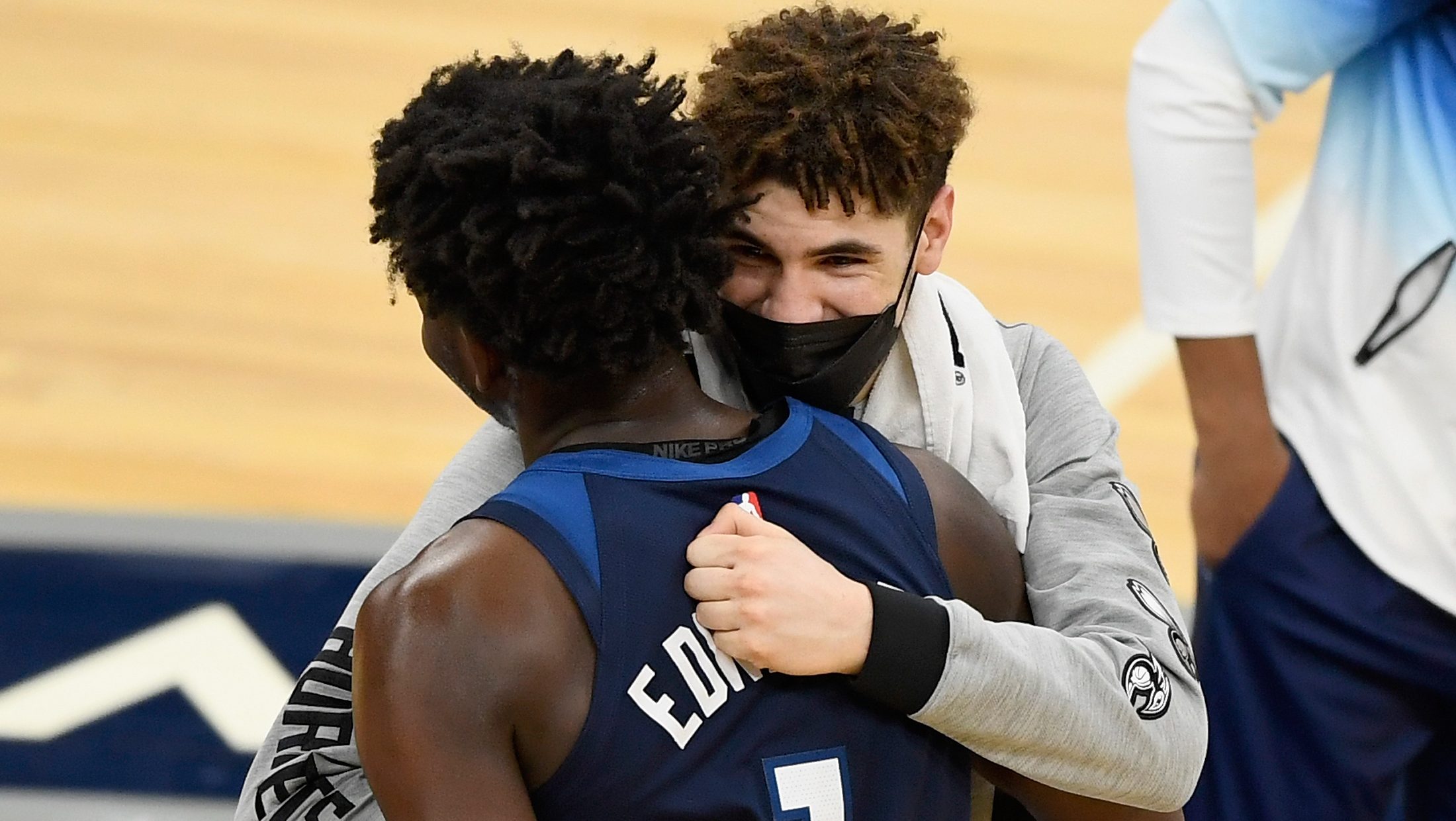
From a roster-building perspective, Minnesota’s current lineup projections present a mix of proven contributors and raw prospects who will need to step up immediately. With Ball joining Anthony Edwards and the returning components around center Rudy Gobert, the team envisions a versatile backcourt pairing that can facilitate pace and create high-quality looks. Yet the absence of a reliable, defense-minded wing and uncertainty at the forward position heighten concerns about the team’s ceiling in a competitive Western Conference. The potential absence of Donte DiVincenzo for a portion of the season due to injury also factors into the equation, potentially compressing the rotation and placing more onus on younger players to contribute at a high level early in the campaign.
For the Timberwolves, the path forward requires balancing Ball’s offensive talents with strategic improvements on the defensive end and in rebounding. The front office may need to explore additional moves to address size, versatility, and defensive cover around the perimeter, especially against teams that can spread the floor and exploit mismatches. The decision to trade away a sizable portion of future draft capital also means Minnesota will be judged more on in-season results and playoff performance than on a longer horizon, at least in the near term.
In contrast, Charlotte’s strategic pivot appears to center on shedding the Ball contract while pivoting toward a framework built around younger players who can grow alongside Miller and the Hornets’ emerging core. By acquiring Reid, the Hornets gain a veteran-caliber interior presence and a more reliable shooting profile at the five-position, which can complement the development of their young guards and forwards. This approach allows Charlotte to control its trajectory and maintain financial and roster flexibility as it charts a course toward future competitiveness.
Analysts and fans will debate the trade’s wisdom for years, given the scale of assets involved and the divergent timelines of the two franchises. The move underscores how teams increasingly weigh the balance between immediate star power and the long-term viability of a championship window. As the season unfolds, observers will look for tangible evidence of whether Ball’s offensive mastery translates into meaningful progress for Minnesota, especially in playoff contexts that demand rigorous defense, rebounding, and a cohesive two-way identity.
Bottom line: The LaMelo Ball trade is a bold, polarizing maneuver that reshapes both franchises’ present and future. For Minnesota, the challenge is clear: maximize Ball’s offensive impact while addressing the defense and size gaps that have historically impeded their postseason success. For Charlotte, the assets acquired position the team to accelerate its rebuild around a fresh core, leveraging Ball’s market value while navigating the financial landscape of a shifting league. As with all blockbuster deals, the true measure will come with results on the court in the months and years ahead.