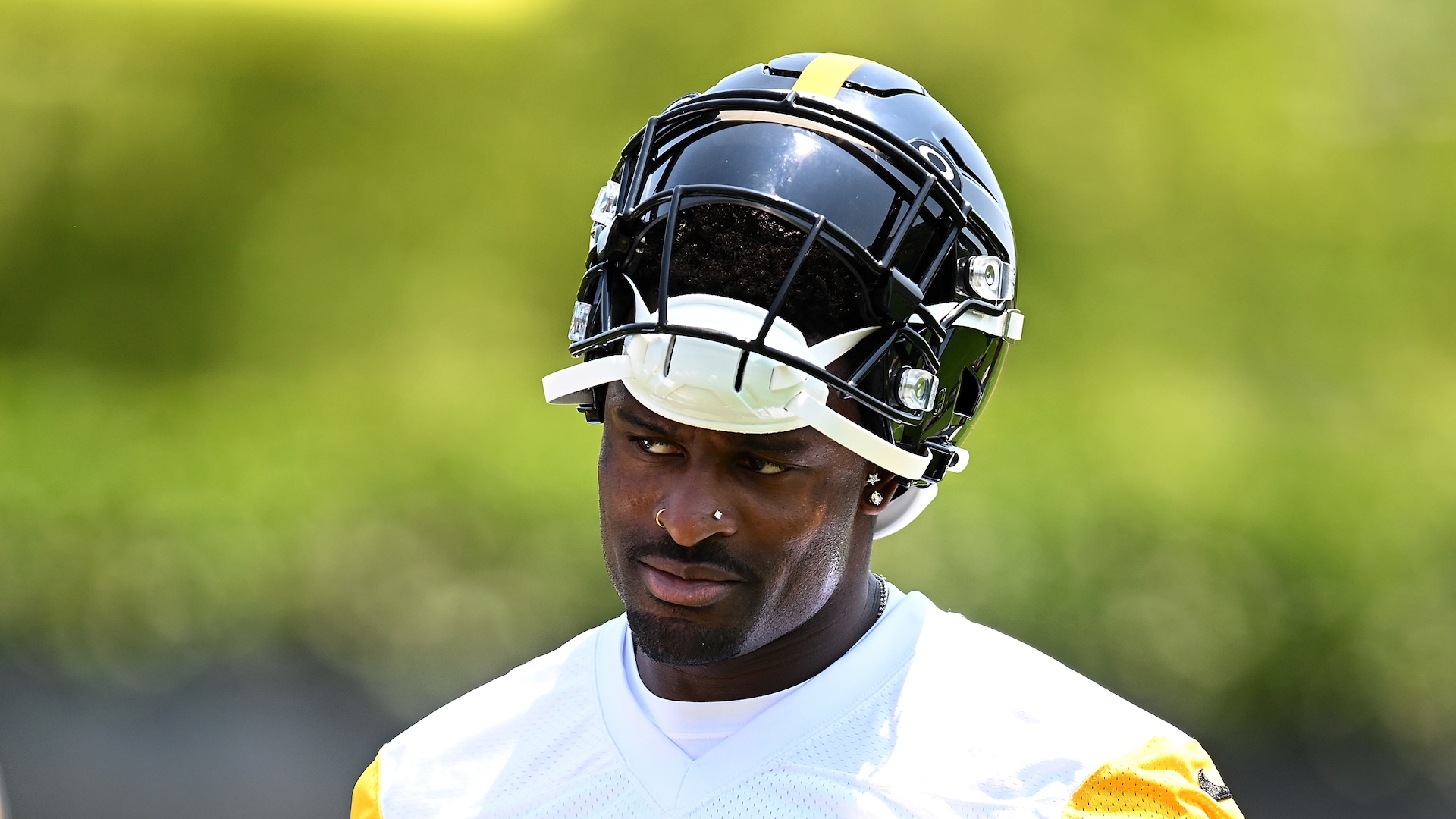
Arnold surrendered to authorities in Florida following the issuance of an arrest warrant. He has maintained his innocence, and the Lions issued a cautious statement noting they would respect the ongoing legal process and refrain from commenting on the specifics at this time. The situation has raised questions about potential NFL discipline while legal proceedings unfold.
The potential impact on Arnold’s playing status could be significant. In recent years, the NFL has taken swift action in high-profile cases involving serious felonies or violent conduct. For example, players connected to violent incidents or criminal charges have faced extended suspensions or placement on the commissioner’s exempt list, which places a player’s pay on hold while they are away from the team. While the league typically honors the principle of due process and defers to developments in the courtroom before handing down suspensions, the severity of potential charges often accelerates consideration of competitive and security measures by the NFL.
The Hillsborough County State Attorney’s Office has signaled a willingness to pursue pretrial detention in Arnold’s case. In a statement, the office said it planned to file a motion to keep Arnold incarcerated until trial, noting that his codefendants are already behind bars. If a pretrial detention order is granted, Arnold could remain jailed for an extended period, potentially complicating his ability to participate in team activities or games in the near term. Such a development would likely prompt the NFL to evaluate appropriate league-imposed sanctions in parallel with the judicial process.
The Lions have not disclosed any definitive action taken against Arnold by the team. A team spokesperson stated that they were aware of the legal situation but would not comment further out of respect for the legal process. Reports in local and national outlets over the past several months indicate that Arnold’s name surfaced in court documents in connection with the case, though Lions head coach Dan Campbell publicly indicated that there was no evidence of Arnold’s involvement at that early stage. Campbell emphasized that information available at the time suggested Arnold was not implicated, but cautioned that the situation was still developing.
Details arising from official documents indicate that the charges relate to an alleged theft from a property Arnold owned and an ensuing dispute that investigators describe as a coordinated effort to retaliate. Law enforcement purportedly alleges that Arnold helped plan and direct accomplices to lure three individuals to an apartment where they were robbed, beaten, and held at gunpoint. The nature of the alleged planning and the degree of Arnold’s involvement are central questions as prosecutors prepare for pretrial proceedings.
The broader context of NFL discipline in similar scenarios underscores the potential for swift action, even before a court reaches a verdict. Players facing felony charges have, in some cases, faced long suspensions or league-imposed bans, particularly when accusations involve violence, threats, or property-related crimes with potential for dangerous outcomes. The NFL’s disciplinary framework allows for temporary measures, such as the commissioner’s exempt list, to ensure teams can continue operations while legal matters are resolved. However, any definitive disciplinary decision would depend on the outcome of ongoing investigations and court proceedings.
As the legal process unfolds, the focus will be on the judicial timeline and the specifics of the charges. Prosecutors will present evidence, and Arnold will have opportunities to respond and defend against the allegations. The implications for his football career will hinge on both courtroom outcomes and the NFL’s internal assessment of conduct detrimental to the league’s values and policies.
Fans and stakeholders will be watching closely to see how the situation evolves, including whether any motions for early resolution or bail considerations affect Arnold’s availability for team activities. The Lions, meanwhile, will need to navigate the potential for prolonged absence, roster implications, and public perception as they pursue competitive goals for the upcoming season.
In summary, Terrion Arnold faces a high-stakes legal battle with potential life-imprisonment implications if convicted on the charges described. The NFL and the Lions are likely to coordinate their responses as more information becomes available from the judiciary. The case remains active, with ongoing pretrial proceedings and the prospect of extended detention, setting the stage for a protracted period of uncertainty surrounding the player’s status and future in professional football.