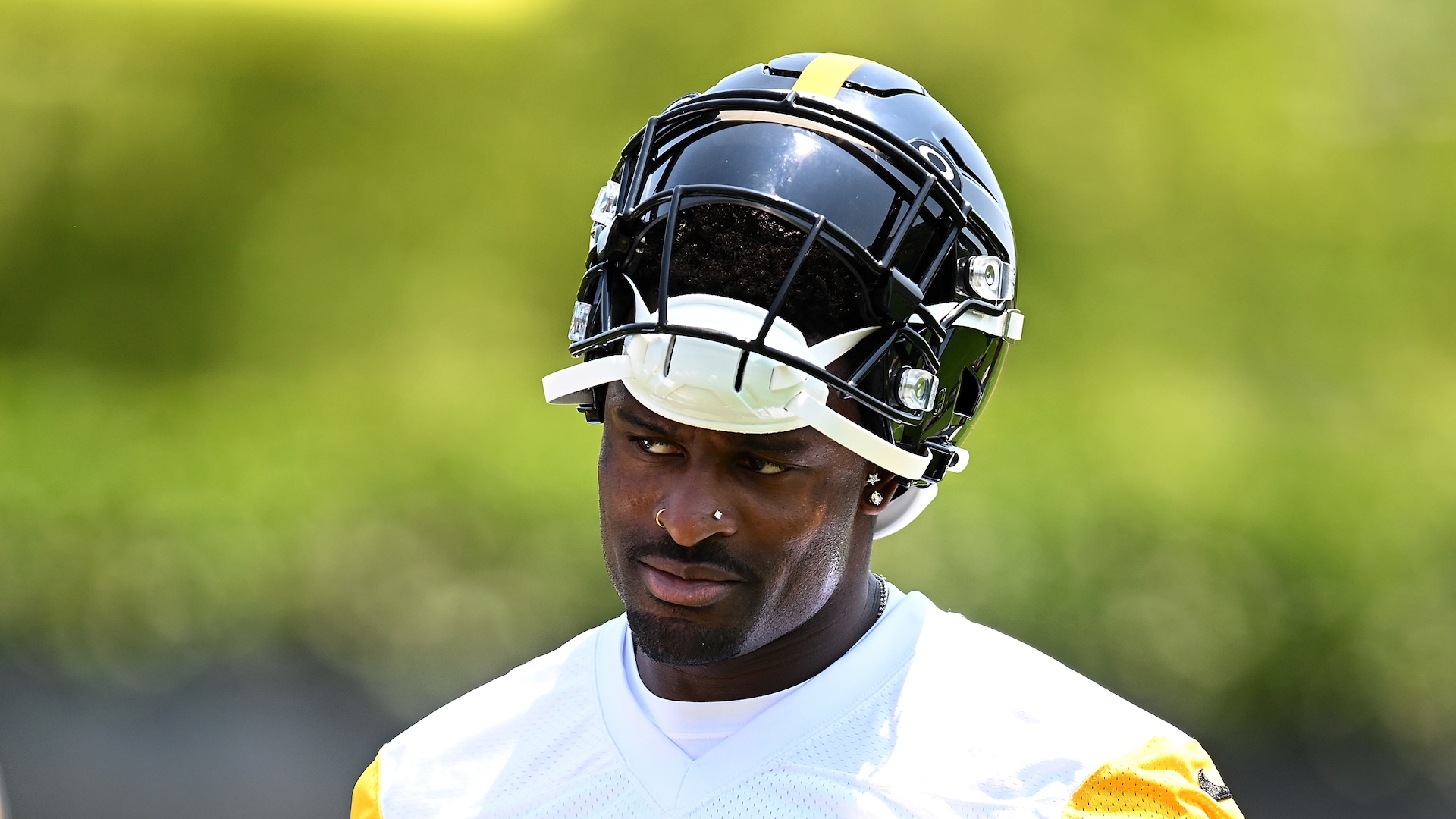
Keon Coleman, the Buffalo Bills wide receiver, faces a pivotal year after a 2025 season that did not meet early expectations. While the front office signaled confidence in his potential, several factors could influence whether he secures a stable role on the roster come roster cuts.
Performance and disciplinary concerns largely shaped Coleman’s 2025 campaign. He missed opportunities for consistent production following a promising rookie year and was benched on two occasions for disciplinary reasons. These issues contributed to uncertainty about his future with the team, especially in the wake of owner Terry Pegula publicly questioning the direction of the team during an address tied to the firing of the former head coach. With the off-season movement and leadership decisions, some analysts speculated that Coleman could be traded before the start of the season if a compelling deal emerged.
Rookie-to-sophomore progression is a common theme in the NFL, and observers pegged Coleman as a potential trade candidate as the season approached. One NFL analyst highlighted that, although General Manager Brandon Beane and offensive coordinator Joe Brady gave Coleman their backing, the odds of him being outright kept on the roster at Week 1 appeared uncertain. The analyst suggested a trade might make strategic sense for an upgrade at wide receiver, particularly for a team rebuilding its roster.
The Tennessee Titans, a club focused on rebuilding and adding pass-catching options, surfaced in discussions as a potential trade destination that could appeal to both sides. While Coleman is still young at 23, a new environment could offer a fresh start and help him realize his potential if he were moved.
However, not all assessments pointed toward a looming departure. Some insiders noted that the Bills had previously shut down trade inquiries during the NFL draft window, signaling that the organization still valued Coleman and saw a path for him to contribute. In this view, the team might instead consider trimming other parts of the depth chart rather than parting with Coleman.
Beane publicly reaffirmed the team’s interest in Coleman, emphasizing that the support extended beyond mere rhetoric. He stated that the Bills were excited about Coleman’s future contributions, a sentiment echoed as the team evaluated the wide receiver depth chart. With the addition of new receivers and a veteran presence in the lineup, the competition for targets remains intense.
On the current depth chart, players like DJ Moore and Khalil Shakir are established options, with Coleman positioned to contend for targets behind them. Contention could hinge on how the Bills want to allocate opportunities among receivers such as Palmer, who had limited production last season, versus nurturing Coleman’s development. The organization faces a decision: maximize present talent or invest in a higher-upside option who is still early in his career.
As the Bills assess their wide receiver room, the goal is to balance immediate contribution with long-term upside. Coleman’s path to regular playing time will depend on how he refines his route running, consistent hands, and reliability on game day. If he can demonstrate improved consistency and discipline, he could solidify his role and build on the early promise he showed as a rookie.
In any case, the Bills’ management remains committed to evaluating the roster through a strategic lens, prioritizing players who can contribute in meaningful ways while also shaping the team’s long-term outlook. For Coleman, the upcoming season represents a critical chance to reestablish himself as a reliable contributing member of the Bills’ offense.