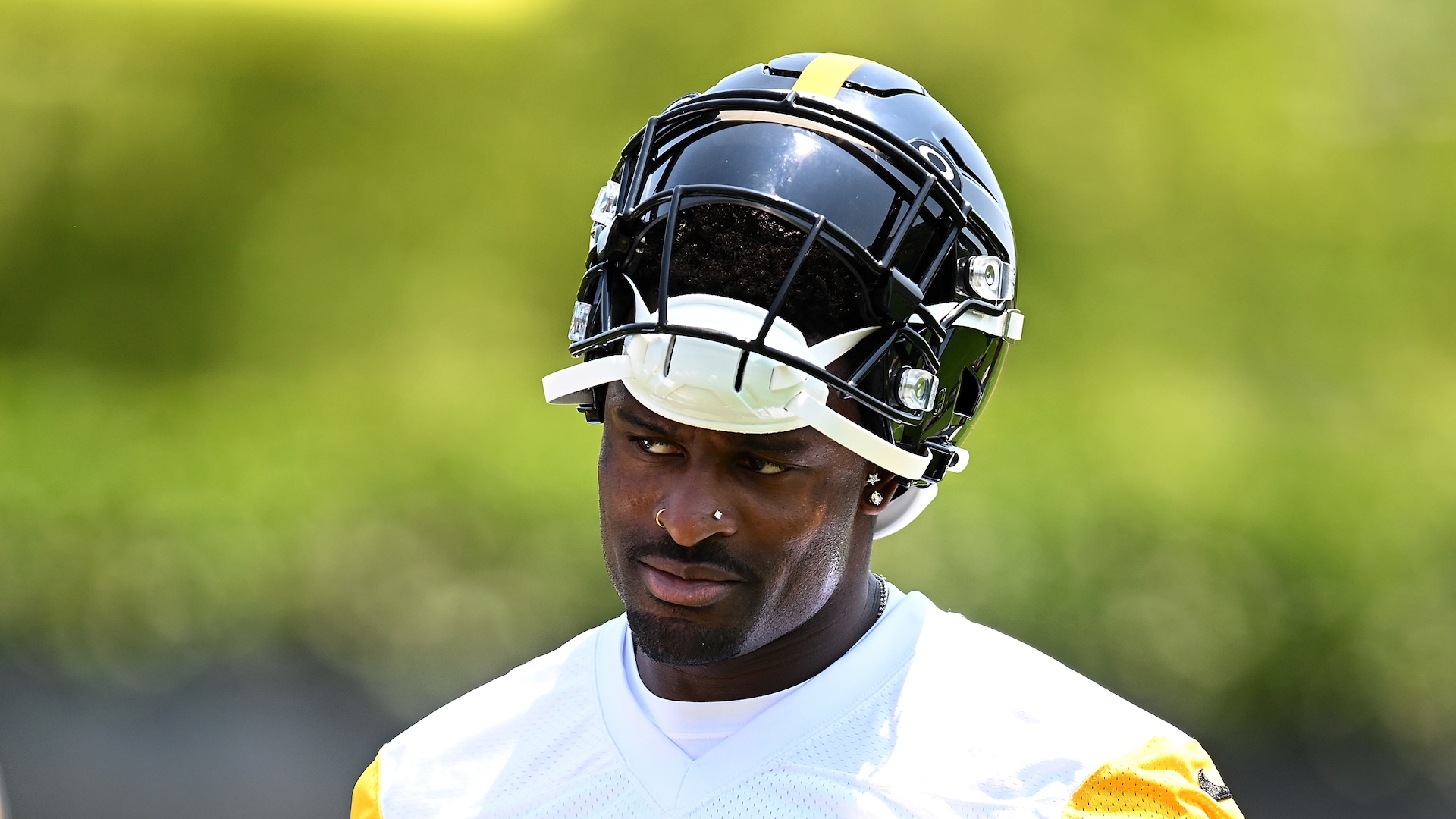
Experts assessing the Ravens’ skill-position groups entering the 2026 campaign painted a nuanced picture. While several core players are back, there are indications of “minor steps back across the board” that have caused some ranking adjustments. Henry contributed to the team’s turnover of fortune, posting an impressive 5.2 yards per carry on the season, yet his overall success rate declined from 47.4% to 42%, a level just above league average. This shift mirrors a broader trend where his involvement in the passing game has diminished as he approaches his mid-30s. Notably, Henry’s fumbling issues have raised concerns about ball security; he has accumulated 13 fumbles over the past four years, a total that places him among the league leaders in fumbles for this stretch.
Discussions around Henry’s long-term trajectory are common, given the Ravens’ continued faith in a veteran back. There are compelling arguments that his best days are behind him, but equally persuasive cases that he can defy the odds and maintain a high level of production despite advancing age. The question remains whether he can sustain elite production late in his career, as some past greats have done.
Despite potential declines in certain metrics, Henry’s value to the Ravens remains evident. He is a true workhorse who can grind defenses down between the tackles and still strike with explosive runs when opportunities arise. A prime example of his big-play potential came with a 46-yard touchdown against a strong Bills defense in a recent season, underscoring that speed and power can still coexist in his toolkit.
Looking ahead, the Ravens’ offensive approach is poised to influence Henry’s impact. A key strategic shift involves a new offensive coordinator, Declan Doyle, taking the reins to replace Todd Monken. Doyle’s recent experience with the Chicago Bears emphasized a strong emphasis on the ground game, with a substantial rushing volume during his tenure. While the overall rush attempts might not spike dramatically, Doyle’s philosophy supports a run-oriented approach, leveraging a ground-game-first framework that could suit Henry well.
The Ravens’ continued reliance on the run can help maintain Henry’s effectiveness, particularly if the offense can better disguise its intentions and leverage Lamar Jackson’s threat as a passer from under center. This balance—between run efficiency and deceptive play-action—could keep Henry near the top of the scaling at his position, even as age and durability considerations remain in the back of evaluators’ minds.
In sum, while questions persist about Henry’s declining numbers and the risk of turnover, his enduring strengths as a workhorse back remain valuable. The adaptation of the Ravens’ offensive system, with a greater emphasis on a grounded attack and smarter run design, may help Henry sustain productivity and keep him as a central engine for the offense in the seasons to come.
Notes:
– The discussion reflects evaluating trends and potentialities associated with Derrick Henry and the Baltimore Ravens’ offensive adjustments for the upcoming season.
– Factual context centers on statistical shifts, fumbles, and the strategic impact of coaching changes on the run game.