Timberwolves land a dynamic playmaker
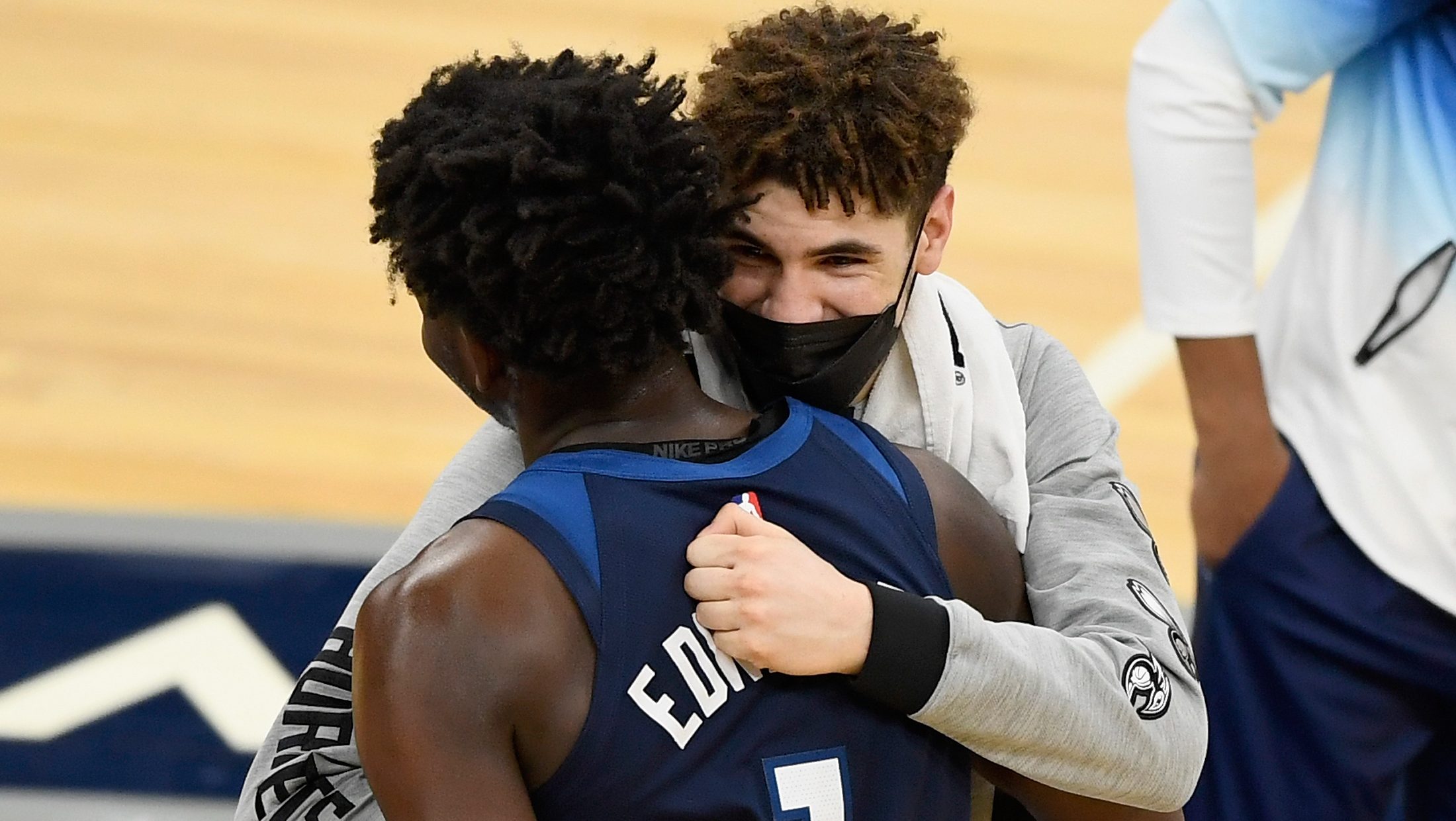
Minnesota’s decision to add Ball signals more than just a change at the point guard position. Ball is a 24-year-old All-Star-caliber guard who averaged 20.1 points and 7.1 assists per game last season. By bringing in Ball, Minnesota is prioritizing high-usage ball production and a playmaking engine that can amplify the team’s star scorer, Anthony Edwards, while maintaining a ready-made win-now framework. The deal also includes a significant asset expenditure: Reid and multiple future picks and swaps, which tightens the team’s long-term flexibility and insurance in future draft capital.
Impact on Morant rumors
For Memphis, this development complicates the Morant trade calculus. Morant’s appeal is undeniable—his explosive style and scoring ability can instantly pivot a franchise’s ceiling. However, any path to trading for him must satisfy several hard constraints: the acquiring team must have a genuine need for a starting guard, the ability to match Morant’s max-level salary, and the assets necessary to entice Memphis without compromising future flexibility. The Ball acquisition in Minnesota provides a clear example of how a front office may evaluate a high-cost guard, even one with elite potential, when weighing trade packages and long-term commitments.
The broader market dynamic
Morant’s market faces a supply-and-demand mismatch. While the talent is extraordinary, the price tag and risk factors—such as availability and consistency—create a cautious approach among teams. Morant’s projected $42.2 million salary for the upcoming season, rising to $44.9 million in the 2027-28 season, represents a heavy commitment in today’s salary-cap environment. This financial reality reduces the number of teams that can, or are willing to, capitalize on his potential return as the centerpiece of a trade.
Conversely, Ball’s new deal structure—significant draft capital and a strong, young, high-upside guard—illustrates a comparable but potentially lower-risk framework for evaluating such players. Though Ball is younger and carries his own set of questions, the market is now more comfortable with leveraging substantial assets for a high-ceiling guard who can mature alongside a rising star like Edwards. This precedent can influence Memphis to reassess its leverage, especially if teams see a similar or better path to constructing a competitive lineup around a different core rather than pursuing Morant directly.
Strategic implications for Memphis
Memphis now faces a tighter pricing environment for a Morant trade. Any deal would need to satisfy multiple criteria: a starting-point guard replacement for Morant’s role, salary-matching capabilities, and a robust package of assets that justifies giving up a foundational piece of the Grizzlies’ core. Given the current market dynamics, a clean, high-value return may be harder to secure than previously anticipated, especially as other teams observe how front offices price high-salary guards with notable risk.
The Ball development also provides Memphis with a recent, concrete example of how teams are valuing and pricing elite guards who carry both star upside and risk. It underscores that the league’s front offices are increasingly willing to accept some level of risk in exchange for a clear talent premium, but only when the surrounding assets and timeline align.
Outlook
Ja Morant’s trade market remains a focal point of NBA chatter, but the Minnesota-Memphis dynamic has become more complex. The Morant-to-market conversation is likely to continue, though it may hinge on identifying a willing partner that can meet salary requirements while offering a compelling package of future picks and cap-flexible role players. While LaMelo Ball’s move to Minnesota reshapes expectations, it also highlights the evolving price of premier guards in today’s NBA, where talent must be weighed against long-term structure and asset sensitivity.
As negotiations progress, teams will weigh whether to pursue immediate, win-now upgrades or to adopt longer-term rebuild plans built around remaining core pieces and flexible future assets. The coming weeks will reveal how aggressively front offices value high-salary guards who bring elite playmaking with a dose of risk, and which teams are prepared to commit to a bold shift in direction around a star player.