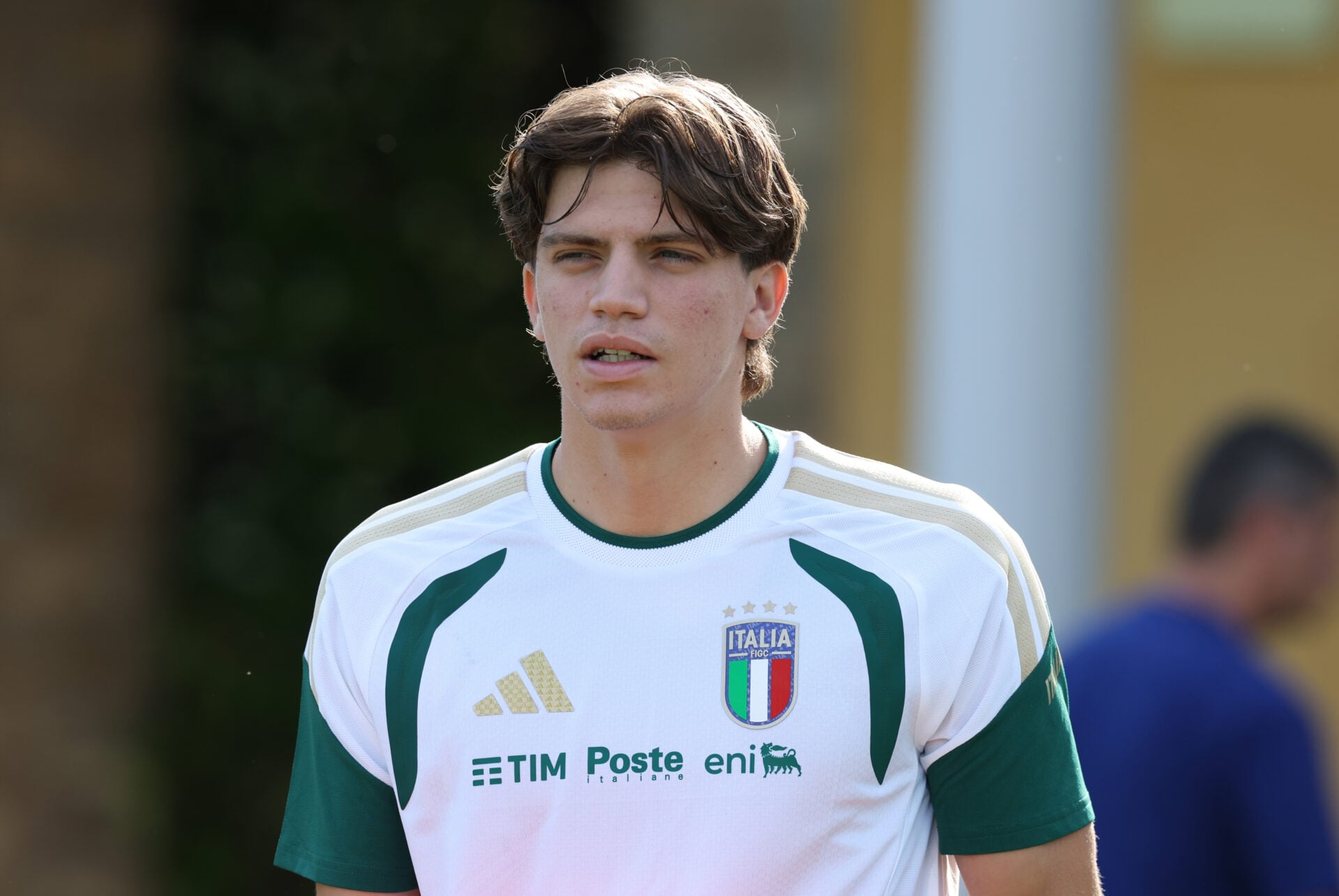
Palestra’s arrival has been framed around Chelsea’s long-term defensive plans. The club envisions him as versatile across the backline, capable of operating on either flank as a full-back or wing-back. Evaluations of his 25-26 season highlight notable technical quality, with particular praise directed at his dribbling skills and attacking instincts from wide positions.
The move has been associated with strong endorsements from influential figures previously involved in his career. One notable advocate has been Guido Angelozzi, a veteran technical director who has spent time guiding Palestra’s pathway. Angelozzi has spoken about Palestra’s complete profile—physique, speed, strength, and ball-handling ability—and has suggested he possesses the characteristics necessary for a successful top-level career. He also noted the appeal of Chelsea’s offer and indicated discussions with Palestra about a move, acknowledging that the opportunity presented by Chelsea was highly compelling.
Before the transfer, Angelozzi had pursued the player during his time at Frosinone, explaining that a bid initially looked likely but could not be completed on the final day of that window. He described Palestra as a player with a strong support system and a family that backs his football ambitions, underscoring the professional and personal qualities that could help him adapt quickly to a new environment.
Chelsea’s investment has been described in several reports as a major one, with initial figures around the mid-40s in millions of pounds. Some outlets have suggested the total package could rise beyond the £50 million mark when add-ons and wages are taken into account. Reports also indicate that Palestra is set to receive a substantial weekly wage, reflecting Chelsea’s expectation of his rapid integration into the first-team plans and the club’s broader strategic changes aimed at strengthening the squad’s depth.
From a tactical standpoint, Chelsea’s plan for Palestra appears to center on multifunctionality in defense. The coaching staff envisions him contributing on both sides of the backline and in different defensive roles, a versatility that would provide flexibility across formations and match situations. If his development follows the anticipated trajectory, Palestra could become a key component of Chelsea’s ongoing efforts to build a modern, dynamic defensive unit capable of adapting to varying demands.
In terms of outlook, the move is framed as a long-term project rather than a short-term fix. Chelsea’s decision to pursue a player of Palestra’s age and potential aligns with a broader strategy of cultivating homegrown and academy-adjacent talent who can grow into regular roles within a highly competitive environment. For supporters, the question remains how quickly he will acclimate to the Premier League’s pace and physicality, and how effectively he will translate his attributes to top-tier performance week in and week out.
Overall, Palestra’s arrival at Chelsea is positioned as a forward-looking addition designed to strengthen the club’s defensive options and to provide versatility across the back line. If his progression matches the expectations set by the staff and his early demonstrations of technical prowess, he could become a prominent figure in Chelsea’s future plans and a successful exemplar of strategic recruitment aimed at sustaining success in English football.