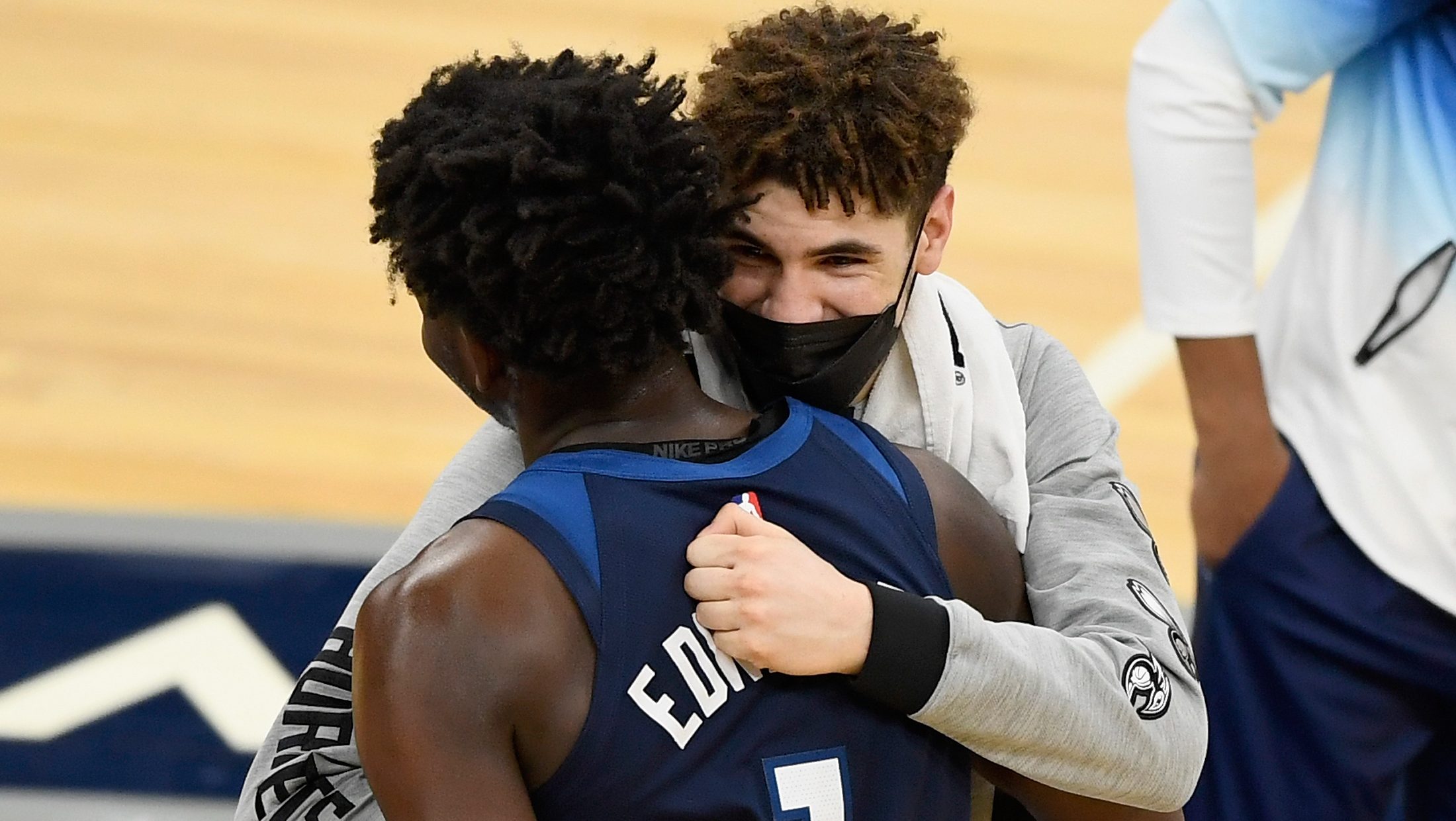
The Charlotte Hornets kicked off a lively offseason by trading star guard LaMelo Ball to the Minnesota Timberwolves in exchange for Naz Reid and a package of draft assets. The move signaled a broader reset for Charlotte, as the team looked to reconfigure its core around a new set of young players and veteran pieces while also capitalizing on accumulated draft capital.
What this means for the Hornets’ lineup in 2026-27 is a topic of active discussion. With Ball no longer in the mix, the team faces the challenge of integrating a new primary ball handler and surrounding him with players who can maximize the offense. The following layout reflects a best-guess projection based on current roster composition, each player’s fit, and the organization’s developmental path.
Projected Starting Lineup
– Point Guard: Coby White
– Shooting Guard: Kon Knueppel
– Small Forward: Brandon Miller
– Power Forward: Miles Bridges
– Center: Naz Reid
How the new lineup is expected to function
– Playmaking and pace: The backcourt pairing of White and Knueppel is anticipated to push the tempo and create scoring opportunities for teammates. White, a veteran guard, brings ball-handling experience and playmaking, while Knueppel offers a developing scoring toolkit and off-ball movement that can help loosen defenses.
– Wing depth and scoring: Brandon Miller steps into a high-usage role with the ball in his hands more often and as a primary wing floor-spacer. His skill set—shooting range, length, and versatility—offers upside on both ends of the floor.
– Frontcourt versatility: Miles Bridges provides athleticism, scoring prowess, and wing-forward versatility, capable of lining up at the four with Reid anchoring the five. Reid’s presence adds size and a reliable scoring option in the post, along with the ability to stretch the floor as a modern big.
– Interior balance: The combination of Reid’s interior scoring and Bridges’ physicality creates a balanced frontcourt pairing. This setup aims to provide room for White and Knueppel to probe defenses while Miller and Bridges stretch the floor.
Rosters and additional options
Beyond the five starters, Charlotte’s depth includes players such as Moussa Diabate, Tre Mann, Grant Williams, Ryan Kalkbrenner, Tidjane Salaun, Pat Connaughton, Sion James, and two rookie prospects, Hannes Steinbach and Christian Anderson. Depending on development trajectories, some of these players could also push for minutes in certain lineups or in specific matchups, adding depth and strategic flexibility for head coach’s rotations.
Season outlook
Charlotte finished with a mid-to-lower standing in the Eastern Conference in the previous season and narrowly missed extending its postseason run. The retooled roster aims to sharpen the team’s competitiveness and push for a deeper playoff push in the upcoming campaign. With a large cache of draft assets collected in recent years, the Hornets have the flexibility to pursue additional upgrades or adjust their direction as the season unfolds, potentially swapping assets for proven contributors or adding complementary pieces to the core.
The broader context of the trade
The deal marks a significant shift for both teams involved. For Charlotte, the departure of Ball opens up a major chapter in the club’s history and accelerates a rebuild around a younger core and draft capital. For Minnesota, Ball provides a dynamic playmaking option alongside Anthony Edwards, giving the franchise a refreshed lineup as it aims to climb higher in the standings. The transaction also has implications for salaries and cap management, underscoring the strategic considerations teams weigh during a transformative offseason.
In summary, the Hornets’ projected starting lineup reflects a calculated rebuild approach, prioritizing youth development, speed, and floor-spacing while leveraging Reid’s size and inside scoring. As the season approaches, observers will watch how quickly this group can gel, how the younger players grow, and which veteran pieces round out the rotation to maximize wins and development in parallel.