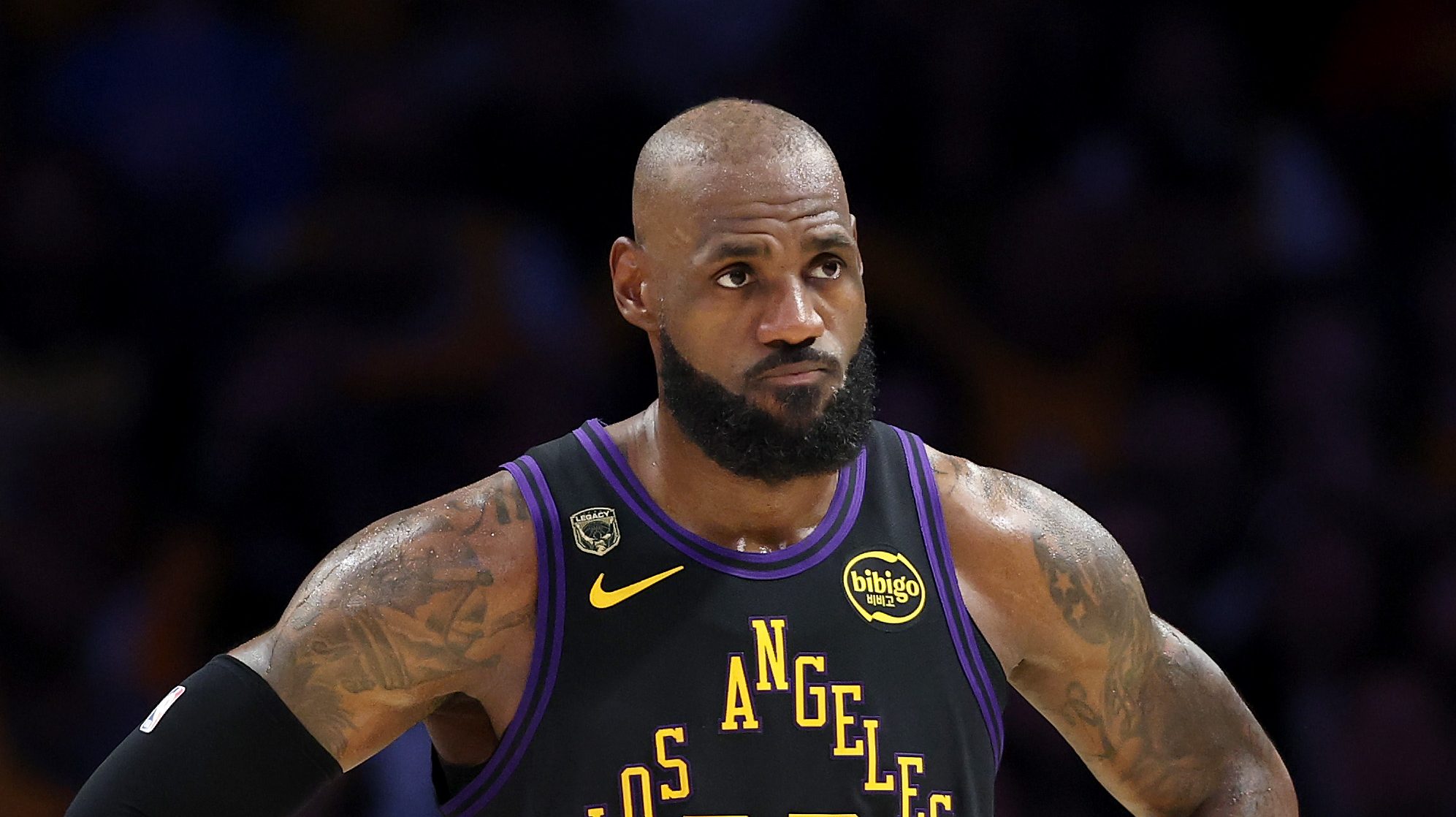
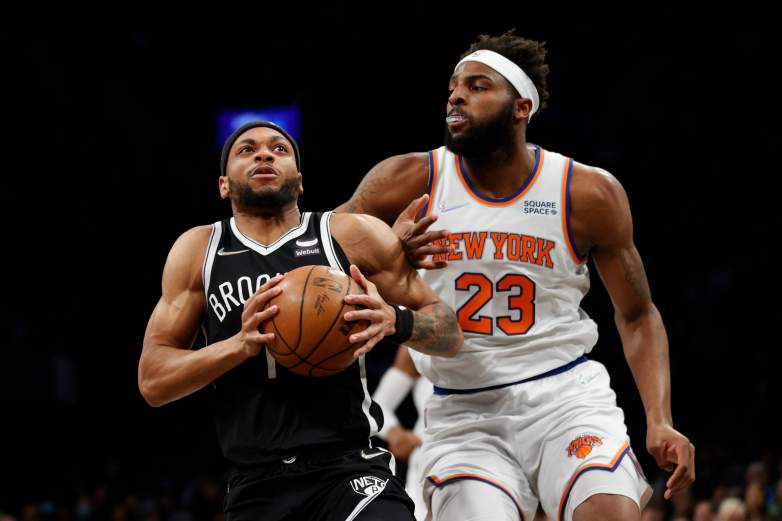
Yet the dominant storyline of draft week involved a potential departure rather than the new draftees. Reports indicated the Celtics were listening to trade offers for Jaylen Brown, with intent to move him. On draft night, Brad Stevens was asked whether Brown would remain with the team next season. He praised Brown as a core piece of Boston’s success but declined to guarantee his spot beyond the current plans, noting, “I’m never gonna predict the future.”
The chatter extended to multiple trade ideas, with several scenarios proposed as potential fits. Below are three notable frameworks that could shape Boston’s decision if they choose to part with Brown.
Houston: The star-power gamble
One proposed framework would send Brown to Houston in exchange for Kevin Durant, Clint Capela, an unprotected 2027 first-round pick from Phoenix, and the best of three unprotected 2029 first-round picks from Phoenix, Houston, or Dallas. Pairing Durant with Jayson Tatum would create one of the league’s most potent duos. The age difference between Brown (late 20s) and Durant (late 30s, approaching 40) underpins the draft capital involved, but it also compresses the timeline for contention, as Durant’s window would be shorter going forward.
New Orleans: Depth, defense, and draft capital
Another framework would send Brown and Sam Hauser to New Orleans in return for Trey Murphy, Herb Jones, Jordan Poole as salary ballast, and the better of the Bucks’ or Pelicans’ 2027 unprotected first-round pick. Murphy has averaged over 21 points per game in consecutive seasons, and Jones is regarded as one of the league’s premier wing defenders. The 2027 pick could yield a high selection, especially if Milwaukee’s long-term outlook remains uncertain without Giannis Antetokounmpo. This package offers balance—preserving competitiveness while adding future draft positioning—though it would trade a proven, high-impact scorer for two solid contributors who excel in different areas. It’s a move that retools around a superstar-era core by adding depth and a future asset that could improve the franchise’s ceiling.
Cleveland: The best basketball fit?
A third option would see Brown head to Cleveland in exchange for Evan Mobley, Dennis Schroder, and an unprotected 2031 first-round pick. Mobley’s versatility on defense and rim protection would be an intriguing complement to Boston’s core. However, the gap in production and impact between Brown and Mobley is significant, and losing a two-way wing who has delivered in big-game moments could create a void that’s not easily filled by a younger, less proven player.
Final word for the Celtics
The market for Brown is active, and multiple legitimate packages could deliver real value to Boston. It remains possible that the Celtics choose to explore options while keeping Brown on the roster. Any decision will hinge on the organization’s assessment of how to balance immediate competitiveness with long-term sustainability.
Brown and Tatum formed a championship-winning duo in 2024. Last season, with Tatum sidelined by an Achilles injury, Brown carried the team to 56 wins and demonstrated he could be the lead option for a contender. While the shortcomings in the playoffs were tied to a broader injury context, the pairing they’ve built remains among the league’s best for sustained success. The idea that Boston must tear it down because a single trade pursuit fell through may not fully capture what Brown and Tatum have achieved together.
On draft night, the front office signaled openness to keeping both stars and continuing to build around them, reinforcing the belief that the best path forward could still be to maintain continuity and leverage growth from young players and draft assets. In the end, the most impactful move can sometimes be the one you choose not to make.