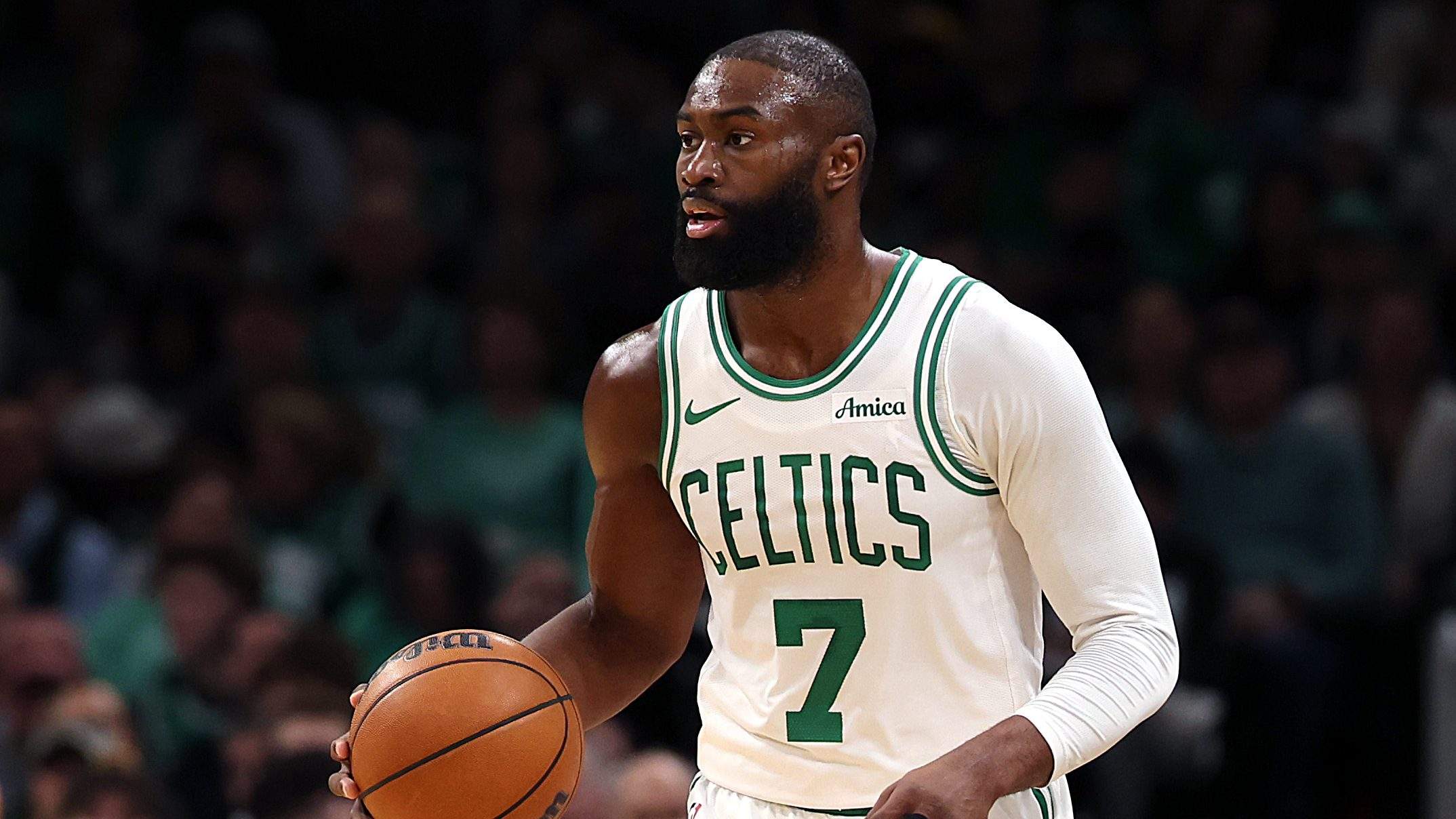
A key clarification from industry sources is that Brown has not asked the Celtics for a trade. This distinction comes amid a busy offseason in Boston, where Brown’s name has repeatedly surfaced in trade discussions as the franchise weighs substantial roster changes. The important takeaway: Brown might be on the market for the right price, but there is no indication he is actively pushing to depart.
The context behind this distinction lies in past front-office activity. Boston previously explored a blockbuster deal involving Brown in pursuit of a player of Giannis Antetokounmpo’s caliber. While that specific target is now off the table, it helps explain why Brown’s name has lingered in conversations. The Celtics have been clear that any potential move would need to fit their long-term championship plans, not merely be a knee-jerk response to rumors.
Even with Giannis no longer in the mix, the Celtics’ stance remains complex. The team reportedly floated the possibility of trading Brown for a cornerstone star, a move that could reshape their core alongside Jayson Tatum. With Antetokounmpo out of reach, other teams—like the Houston Rockets and the New Orleans Pelicans—have reportedly expressed interest and entered the dialogue with Boston. This ongoing interest keeps Brown in the crosshairs of offseason chatter, even if a deal is not imminent.
Public comments from Celtics leadership have offered reassurance about Brown’s place in the franchise. After the first round of the NBA draft, Celtics president Brad Stevens emphasized Brown’s value to the team, calling him a “big part” of the organization. While the remarks underscored Brown’s importance, they stopped short of guaranteeing that he would remain beyond the near term, acknowledging the realities of the rumor mill and the need for transparent discussions with Brown and his representatives.
Financially, Brown’s situation adds another layer of complexity. He is entering the third year of a $285 million supermax extension and is slated to earn about $57.1 million in the 2026-27 season. He also becomes eligible for a two-year, $142 million extension starting July 26. The distinction between simply keeping Brown and re-signing him long-term is meaningful: a continued stay without a formal commitment could sustain ongoing speculation, while a firm extension would signal a renewed, long-term plan around Brown and Tatum.
Brown has publicly indicated a strong preference to remain with Boston. In a Twitch discussion earlier this offseason, he stated that if it were entirely up to him, he would play in Boston for the next decade. That sentiment aligns with a team-first mindset and suggests Brown is not actively seeking a departure, even if the right offer could prompt serious consideration.
The bottom line is that Boston does not appear to be pressuring Brown into a trade, nor has Brown pushed for an exit. The Celtics are navigating a delicate balance: evaluating the roster year-to-year and remaining open to discussions with other teams, all while maintaining Brown’s value and significance to their core. The saga is driven more by strategic roster planning and the evolving marketplace than by a star player actively forcing a move.
For fans and observers, the key takeaway is that Brown remains a central piece of Boston’s pipeline—whether the team ultimately keeps him, extends him, or explores a trade remains contingent on future negotiations and the evolving roster landscape. Until there is a concrete, mutually agreed decision, Brown’s future with the Celtics will continue to be a focal point of offseason conversations.